CM Pema Khandu Spotlights Tawang's High Altitude Ayurvedic Park
Synopsis
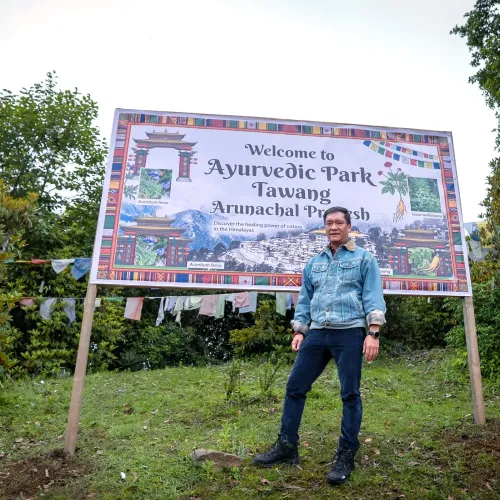
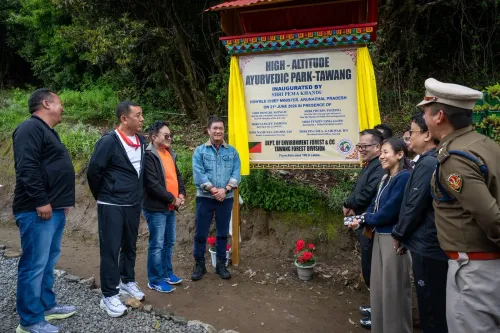
Arunachal Pradesh Chief Minister Pema Khandu on 21 June 2026 promoted the High Altitude Ayurvedic Park in Tawang, calling it a hub of Himalayan medicinal plants, traditional wisdom, and ecotourism, and invited citizens to explore its conservation trails.
Key Takeaways
Chief Minister Pema Khandu publicly invited citizens to visit the High Altitude Ayurvedic Park in Tawang on 21 June 2026 .
The park focuses on conservation of Himalayan medicinal plants and preservation of traditional tribal knowledge systems.
Tawang borders Bhutan and China and is already a major spiritual and scenic tourism destination in Arunachal Pradesh .
The initiative aligns with the National Ayush Mission (2014) and the National Medicinal Plants Board (2000) , which support state-level herbal conservation.
Key stakeholders include local tribal communities, Ayurveda practitioners, and ecotourists seeking wellness experiences.
The post was shared on International Day of Yoga , reinforcing the state's traditional wellness and nature-conservation narrative.
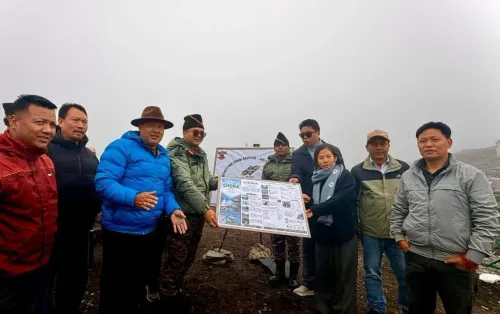
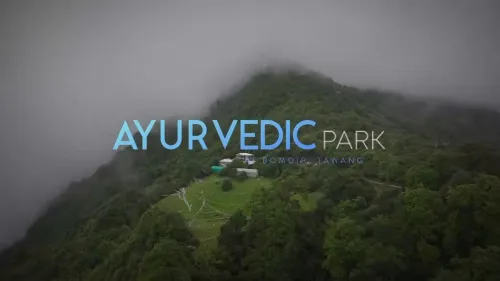
Arunachal Pradesh Chief Minister Pema Khandu on Sunday, 21 June 2026 extended a public invitation to visit the High Altitude Ayurvedic Park in Tawang, describing it as a living confluence of nature, traditional wisdom, and conservation. The Chief Minister shared a video from the park, calling its trails a 'journey into the heart of nature' and urging citizens to explore what he termed the 'healing treasures of our Himalayas.'
Context
Tawang, a high-altitude district in Arunachal Pradesh bordering Bhutan and China, is recognised for its exceptional Himalayan biodiversity alongside its famous monastery. The High Altitude Ayurvedic Park located here is dedicated to the conservation of Himalayan medicinal plants and the preservation of traditional knowledge systems rooted in the region's tribal communities. Khandu wrote that 'every trail tells a story of harmony between nature, traditional wisdom, and conservation,' framing the park as both an ecological and cultural asset.
Policy Backdrop
The park sits within a larger national framework that has long sought to integrate Ayurveda with conservation policy. The National Medicinal Plants Board, established in 2000, was created specifically to promote the conservation and sustainable use of medicinal plant resources across India. The National Ayush Mission, launched in 2014, further strengthened state-level promotion of Ayurveda and herbal resource development, providing a funding and policy scaffold that northeastern states like Arunachal Pradesh have drawn upon.
Arunachal Pradesh has increasingly positioned itself at the intersection of biodiversity conservation, wellness tourism, and traditional medicine. The state's Himalayan districts, with their rich floral diversity and indigenous knowledge, are seen as natural anchors for green development initiatives under both Ayush and environment ministry schemes.
Stakeholders and Impact
Local tribal communities stand among the primary beneficiaries, as the park helps document and sustain traditional medicinal knowledge that might otherwise erode. Ayurveda practitioners gain access to high-altitude species with therapeutic properties that are difficult to source elsewhere in the country. Ecotourists and wellness travellers represent a growing visitor segment, with the park offering an experiential draw that complements Tawang's existing appeal as a spiritual and scenic destination.
The Chief Minister's public promotion of the park on a national platform signals the state government's intent to integrate such sites into mainstream tourism circuits, potentially increasing footfall and economic activity for communities in and around Tawang.
What's Next
Attention will now turn to whether the High Altitude Ayurvedic Park model is replicated across other districts of Arunachal Pradesh, a possibility flagged by the state's broader green development strategy. Integration with state and central tourism circuits under Ayush and environment ministry programmes remains a key variable to watch. Khandu's post, timed on the occasion of the International Day of Yoga — observed annually on 21 June — adds symbolic weight to the state's wellness and traditional-medicine narrative, suggesting the government may leverage such platforms for sustained outreach around Himalayan health tourism.
Point of View
The state government is effectively making a pitch for federal tourism and conservation funding at a time when the Northeast is being actively developed as a green growth corridor. The timing on International Day of Yoga amplifies the message beyond regional politics, connecting a border-district asset to a globally resonant brand. If the model scales to other districts, it could redefine how Arunachal Pradesh monetises its Himalayan ecology without compromising conservation mandates.
NationPress
20 Sept 2026
Frequently Asked Questions
What is the High Altitude Ayurvedic Park in Tawang?
The High Altitude Ayurvedic Park in Tawang, Arunachal Pradesh, is a conservation site dedicated to Himalayan medicinal plants and the traditional knowledge of local tribal communities, offering nature trails for visitors and researchers.
Where is Tawang located and why is it significant?
Tawang is a high-altitude district in Arunachal Pradesh bordering Bhutan and China. It is known for its exceptional Himalayan biodiversity, the famous Tawang Monastery, and its strategic geopolitical location.
What did CM Pema Khandu say about the Ayurvedic Park?
Chief Minister Pema Khandu described a visit to the park as 'a journey into the heart of nature,' saying every trail reflects harmony between nature, traditional wisdom, and conservation, and invited everyone to discover the 'healing treasures of our Himalayas.'
How does the Ayurvedic Park connect to central government schemes?
The park aligns with the National Medicinal Plants Board, established in 2000, and the National Ayush Mission, launched in 2014, both of which support the conservation and promotion of medicinal plants and Ayurveda at the state level.
What is the significance of promoting the park on 21 June?
21 June is observed globally as the International Day of Yoga, making Chief Minister Khandu's post on that date a deliberate link between the park's traditional wellness offerings and the broader national and international focus on holistic health practices.