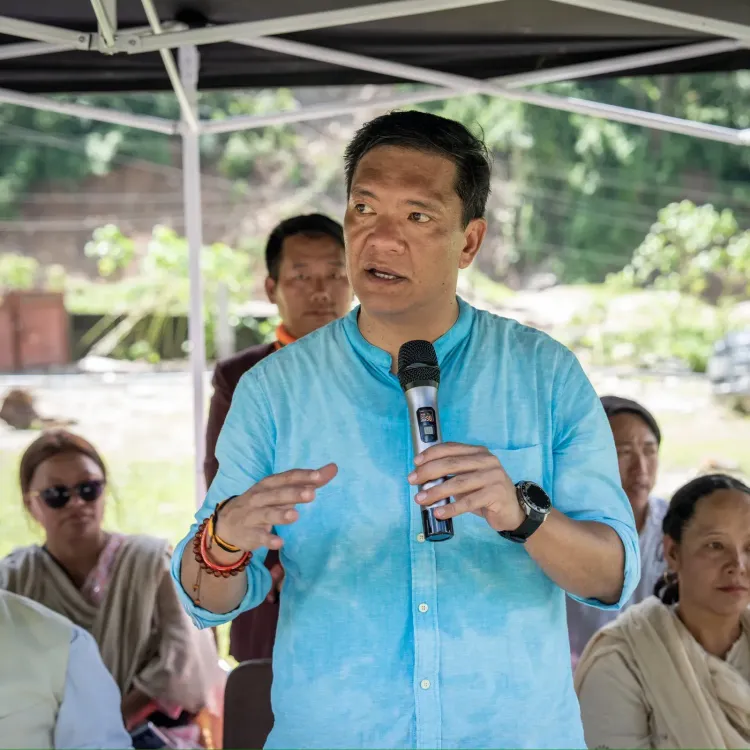
CM Pema Khandu surveys flood damage at Posa village
Synopsis
Arunachal Pradesh Chief Minister Pema Khandu conducted a firsthand flood damage survey at Posa village on 1 July 2026, meeting affected residents and assessing losses as part of the state's monsoon disaster response. Relief and compensation announcements are expected to follow.
Key Takeaways
CM Pema Khandu visited Posa village on 1 July 2026 to survey flood damage in person.
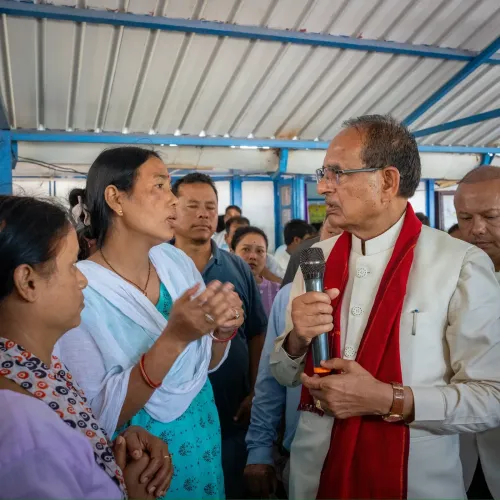
The Chief Minister met directly with flood-affected villagers to take stock of losses on the ground.
The visit aligns with state disaster response protocols under the Disaster Management Act, 2005 .
Arunachal Pradesh's Himalayan river systems make it especially prone to seasonal monsoon flooding each year.
State government announcements on relief packages and compensation are expected in the coming weeks.
A formal request for central assistance may follow if losses exceed state disaster fund capacity.
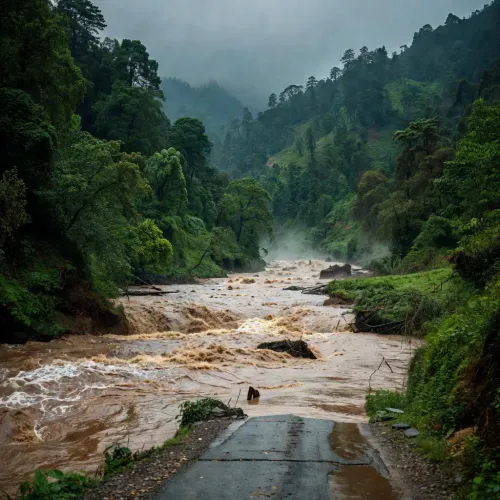
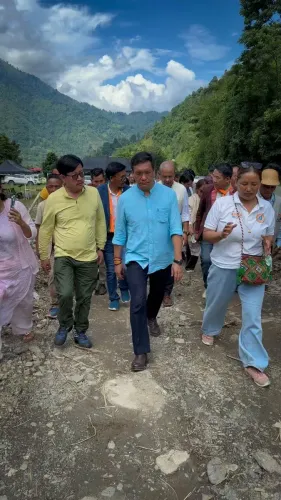
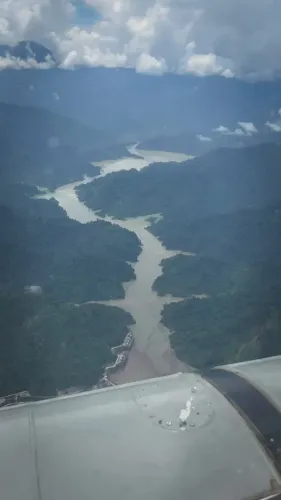
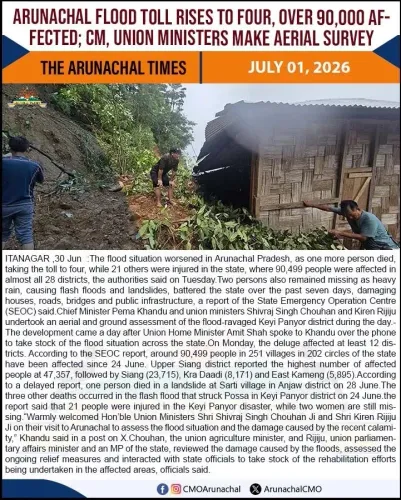
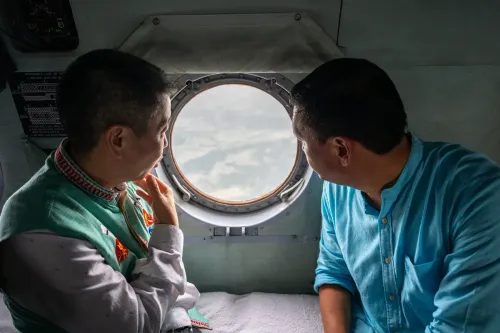
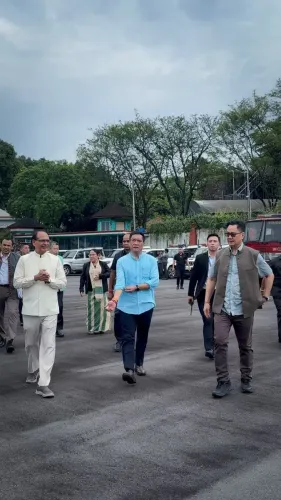
Arunachal Pradesh Chief Minister Pema Khandu visited Posa village on Wednesday, 1 July 2026, to conduct an on-site assessment of damage caused by devastating floods, taking firsthand stock of losses suffered by local residents.
Context
Posting on X, CM Khandu wrote: 'With the people of Posa villagers, we surveyed the damage caused by the devastating floods and took firsthand stock of the losses.' The visit signals the state government's direct engagement with affected communities in the immediate aftermath of the flooding.
Arunachal Pradesh, a mountainous northeastern state bordering China and Myanmar, is traversed by major Himalayan river systems that make it particularly vulnerable to seasonal flood events during the monsoon months. Rural settlements in river valleys and low-lying areas bear the brunt of such disasters each year.
Policy Backdrop
Under the Disaster Management Act, 2005, state governments are mandated to carry out rapid damage assessments and coordinate relief through State Disaster Management Authorities. On-ground surveys by senior leadership form a critical first step in triggering formal relief and compensation mechanisms.
Successive governments in Arunachal Pradesh have institutionalised field visits by state leadership as part of standard disaster response protocols. CM Khandu, who has served as Chief Minister since 2016, has previously undertaken similar ground-level assessments following flood and landslide events in the state's difficult terrain.
Stakeholders and Impact
The residents of Posa village are at the centre of the immediate relief effort, with the Chief Minister's visit intended to provide a direct channel for affected families to communicate the scale of their losses to the state administration. Rural communities across Arunachal Pradesh regularly contend with disrupted livelihoods, damaged homes, and destroyed agricultural land following monsoon flooding.
The broader northeastern region faces compounding vulnerability — poor road connectivity in hilly districts slows relief supply chains, making early leadership-level assessments important for prioritising resource deployment. The survey is expected to feed into formal loss estimates submitted to state and central disaster management bodies.
What's Next
Following the Posa village survey, the state government is expected to announce relief packages and compensation disbursals for flood-affected families. If losses are assessed as exceeding state capacity, Arunachal Pradesh may formally request central assistance from the National Disaster Management Authority or seek funds from the State Disaster Response Fund.
With the monsoon season still in its early weeks, further flood events across the state remain a live concern. The Chief Minister's field presence sets a tone for the administration's response posture in the weeks ahead.
Point of View
Where relief logistics are inherently slow, early leadership-level assessment directly shapes how quickly compensation flows reach affected families. The move also fits a broader pattern of BJP-governed states emphasising visible executive action during natural disasters. The key question now is whether the survey translates swiftly into quantified relief disbursals or remains a symbolic gesture pending central approvals.
NationPress
1 Oct 2026
Frequently Asked Questions
Why did CM Pema Khandu visit Posa village?
CM Pema Khandu visited Posa village on 1 July 2026 to conduct a firsthand survey of flood damage and personally assess the losses suffered by local residents following devastating flooding.
Where is Posa village located?
Posa village is a rural settlement in Arunachal Pradesh, the mountainous northeastern Indian state known for its major Himalayan river systems and seasonal flooding.
What happens after a flood damage survey by the Chief Minister?
After an on-ground assessment, the state government typically announces relief packages and compensation for affected families. If losses exceed state capacity, a formal request for central funds under the National Disaster Management framework may be submitted.
Is Arunachal Pradesh frequently affected by floods?
Yes. Arunachal Pradesh experiences recurrent monsoon flooding due to its Himalayan terrain and major river systems, making flood surveys and disaster response a regular part of the state administration's annual calendar.
What law governs flood relief in Indian states?
The Disaster Management Act, 2005 governs disaster response in India. It established the National Disaster Management Authority and mandates state-level damage assessments and coordination of relief through State Disaster Management Authorities.