CM Pema Khandu Thanks JP Nadda for Flood Visit to Arunachal
Synopsis
Arunachal Pradesh CM Pema Khandu thanked Union Health Minister JP Nadda for visiting flood-affected areas of the state on 6 August 2026, calling it a sign of PM Modi's personal concern for the people of Arunachal during the ongoing monsoon crisis.
Key Takeaways
Union Health Minister J.P.
Nadda visited flood-affected areas of Arunachal Pradesh to assess the ground situation.
CM Pema Khandu publicly thanked Nadda on 6 August 2026 , framing the visit as a sign of PM Narendra Modi's personal concern.
Arunachal Pradesh faces recurrent monsoon flooding and landslides, making it one of India's most disaster-vulnerable northeastern states.
Union minister visits to disaster zones are a standard mechanism under the Disaster Management Act, 2005 for signalling central support and assessing NDRF fund releases.
Follow-up actions — central relief packages or medical team deployments — will be the key measure of the visit's impact.
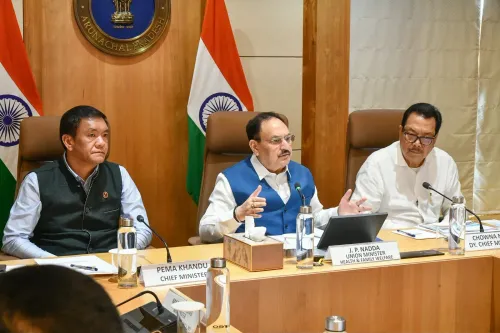
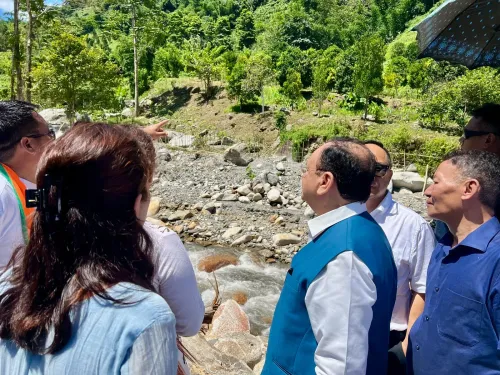
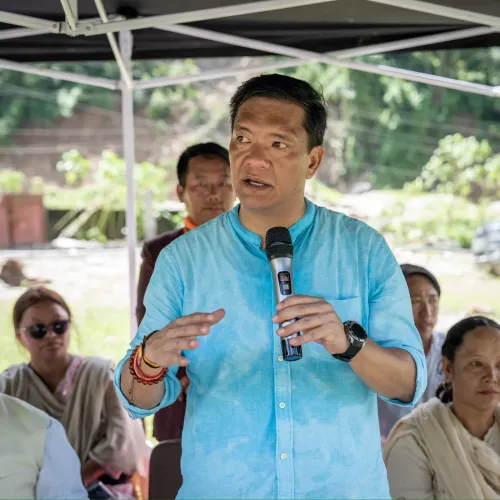
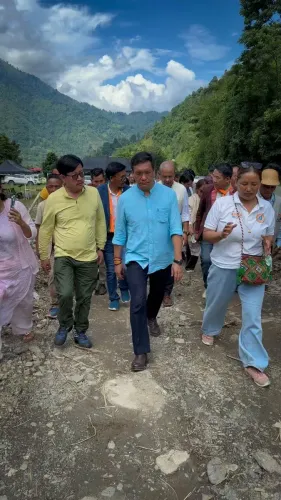
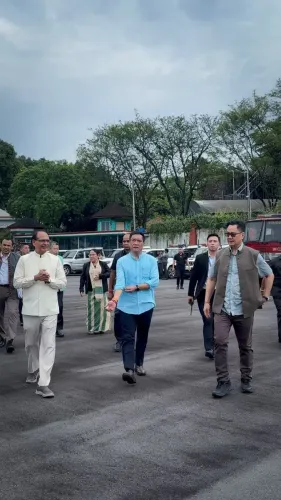
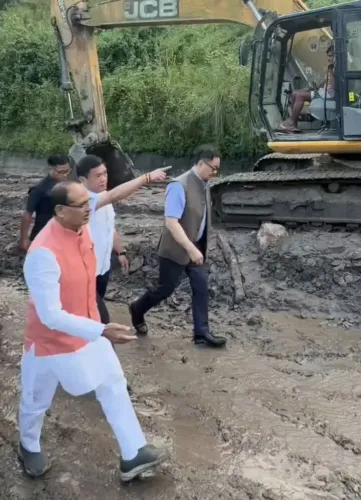
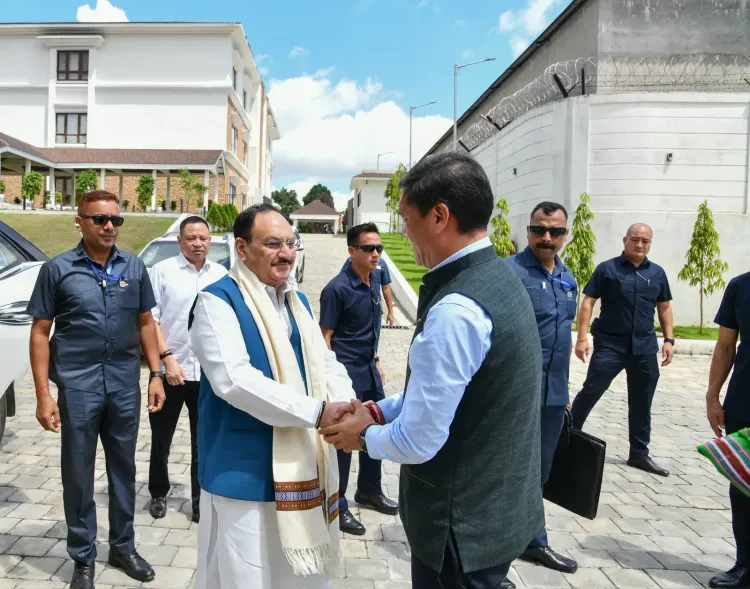
When a Union minister lands in a flood-hit state, it sends a signal that goes beyond the assessment — it tells people on the ground that the capital is watching. Arunachal Pradesh Chief Minister Pema Khandu on Thursday, 6 August 2026, publicly thanked Union Health Minister J.P. Nadda for visiting flood-affected areas of the northeastern state and taking stock of conditions on the ground.
Nadda's Ground Visit and What It Signals
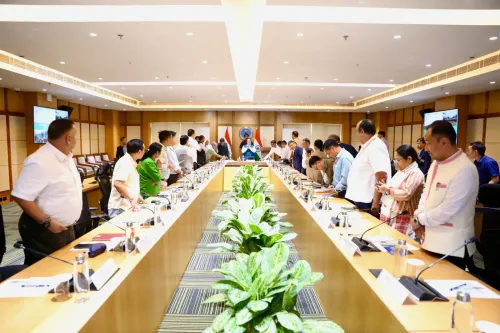
J.P. Nadda, who holds the Health and Family Welfare portfolio in the Government of India, travelled to Arunachal Pradesh to assess the damage from the ongoing monsoon flooding — a recurring crisis for the state every year. CM Khandu framed the visit as more than a bureaucratic check-in, calling it a reflection of the 'personal attention and concern' of Prime Minister Narendra Modi and the central government toward the people of the state.
Visits by senior Union ministers to disaster-hit states are a standard feature of India's federal disaster response architecture, established under the Disaster Management Act, 2005. They serve a dual purpose: on-ground damage assessment and a visible demonstration of central solidarity with affected populations.
Arunachal's Recurring Monsoon Crisis
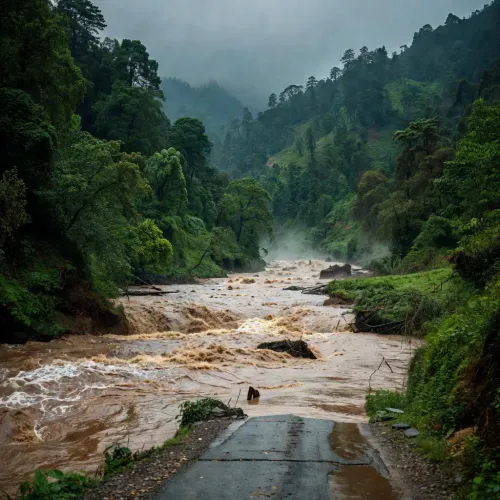
Arunachal Pradesh sits in one of India's most ecologically fragile zones — a high-altitude, heavily forested northeastern state where monsoon seasons routinely bring floods and landslides that cut off communities and damage infrastructure. The state's terrain makes relief logistics especially demanding, and high-level central visits often precede the release of funds from the National Disaster Response Fund (NDRF) or the deployment of specialised medical and rescue teams.
The Health Ministry's direct involvement points to a concern beyond infrastructure — waterborne disease outbreaks and disrupted healthcare access are consistent secondary crises in flood-hit Arunachal, making a health minister's assessment particularly relevant.
Centre-State Coordination Under the Spotlight
The public acknowledgement by CM Khandu — a senior BJP leader in a state the party governs — underscores the coordinated messaging between the state and central governments during the crisis. Such visible alignment is a deliberate part of how the BJP-led government projects its northeastern outreach. What follows Nadda's visit — relief packages, medical deployments, or a formal damage report — will determine whether the gesture translates into measurable relief for flood-affected residents.
The people of Arunachal are watching for more than words. The next move is the centre's to make.
Point of View
A border state with significant strategic importance, central attention during crises also carries a geopolitical undertone beyond domestic relief politics. The real test will be the speed and scale of any NDRF release or medical deployment that follows — visible solidarity must convert into tangible relief to hold political credibility. Khandu's framing of the visit as reflecting the PM's 'personal' concern is deliberate positioning ahead of any such announcement.
NationPress
21 Sept 2026
Frequently Asked Questions
Why did JP Nadda visit Arunachal Pradesh in August 2026?
JP Nadda visited flood-affected areas of Arunachal Pradesh to assess the damage and take stock of the ground situation during the monsoon flooding crisis.
What did CM Pema Khandu say about JP Nadda's visit?
CM Pema Khandu thanked Nadda publicly, saying the visit reflected the personal attention and concern of Prime Minister Narendra Modi and the Government of India toward the people of Arunachal Pradesh.
Is Arunachal Pradesh frequently affected by floods?
Yes, Arunachal Pradesh experiences recurrent monsoon flooding and landslides every year due to its high-altitude, ecologically fragile terrain in northeastern India.
What relief can Arunachal Pradesh expect from the central government after the flood visit?
Following such ministerial visits, the central government typically considers releasing funds from the National Disaster Response Fund or deploying medical and rescue teams, though no specific announcement has been confirmed yet.
What law governs India's disaster response coordination between states and the centre?
The Disaster Management Act, 2005 provides the legal framework for coordinated central and state government response to natural disasters, including floods.