Nadda Chairs Flood Review in Itanagar, Vows Central Support
Synopsis
Union Health Minister J. P. Nadda chaired a high-level review meeting in Itanagar on August 6 with Chief Minister Pema Khandu and state officials, directing intensified relief, rehabilitation, and healthcare efforts after flash floods and cloudbursts struck Arunachal Pradesh.
Key Takeaways
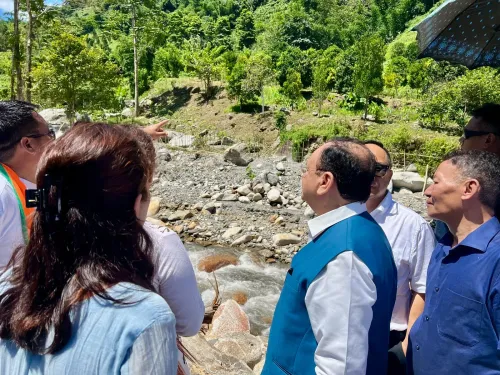
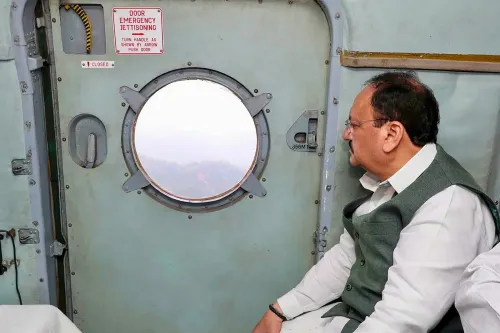
Nadda visited flood-affected areas in Arunachal Pradesh and chaired a review meeting in Itanagar on August 6, 2026 .
The meeting included CM Pema Khandu , Deputy CM Chowna Mein , ministers, MLAs, and senior state administrative officers.
Nadda directed all concerned departments to intensify relief, rehabilitation, and healthcare efforts in the aftermath of the flash floods and cloudbursts.
The Central Government pledged swift relief, financial assistance , and all necessary support in coordination with the state government.
The National Disaster Response Fund , established under the Disaster Management Act, 2005, is the primary mechanism for central financial assistance to the state.
Post-flood disease surveillance and medical camps are expected to be a key component of the Health Ministry's involvement.
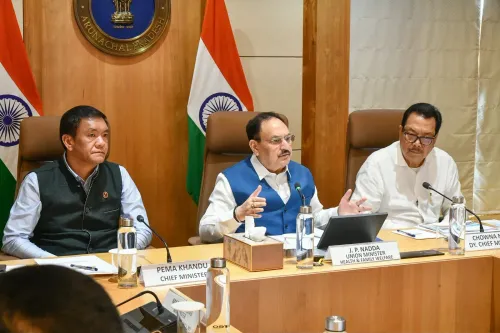
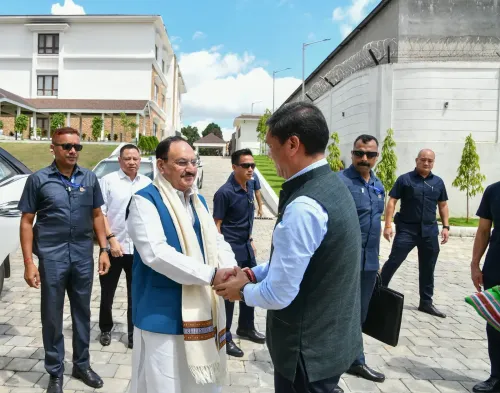
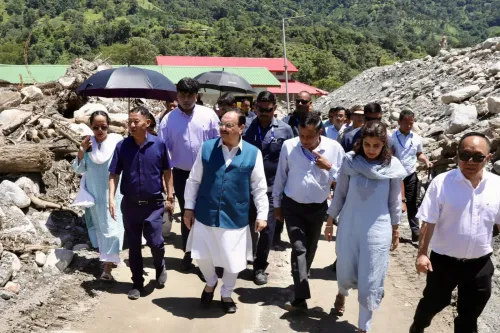
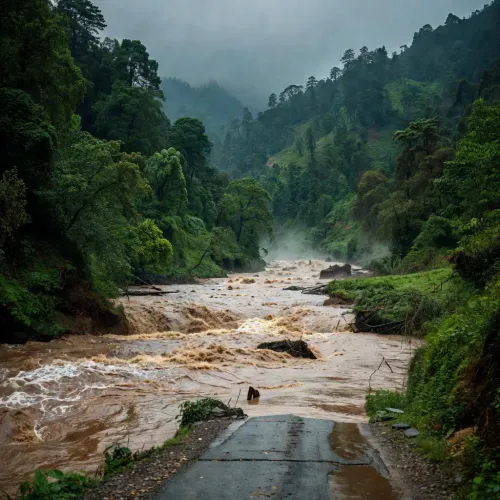
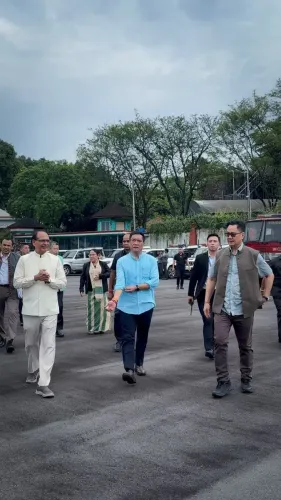
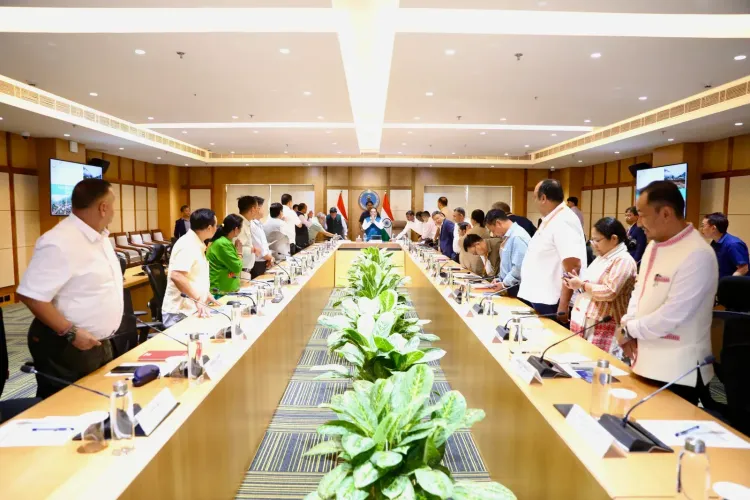
Monsoon fury has once again struck Arunachal Pradesh — and on Thursday, August 6, 2026, Union Health Minister J. P. Nadda flew to the state capital to personally assess the damage, chairing a high-level review meeting in Itanagar after visiting areas hit by flash floods and cloudbursts.
The meeting brought together Chief Minister Pema Khandu, Deputy Chief Minister Chowna Mein, state ministers, MLAs, and senior administrative officers — a full command chain assembled to coordinate the response. Nadda directed all concerned departments to intensify relief, rehabilitation, and healthcare efforts, with particular attention to needs that may emerge in the aftermath of the disaster.
What Nadda Told the State Administration
In clear terms, Nadda instructed officials to leave no gap in the relief pipeline. The focus on healthcare is significant: post-flood conditions in remote northeastern terrain routinely trigger outbreaks of waterborne and vector-borne diseases, making early medical intervention critical. The Health Ministry's involvement at this stage signals that disease surveillance and medical camps are likely being mobilised alongside the standard rescue and relief machinery. Nadda affirmed that the Central Government — under the leadership of Prime Minister Narendra Modi — would work in close coordination with the Arunachal Pradesh government to deliver 'swift relief, financial assistance, and all necessary support' to affected people.Arunachal's Recurring Monsoon Crisis
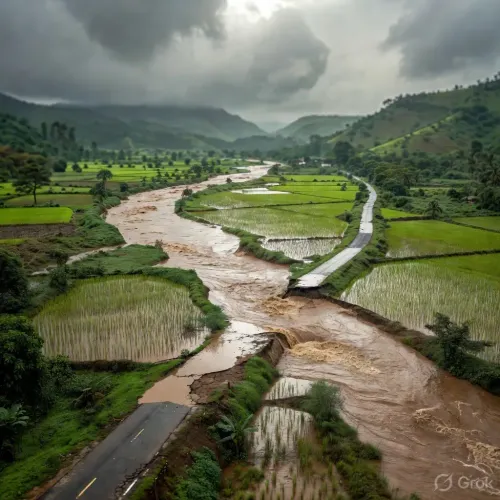
Arunachal Pradesh sits at the confluence of the Eastern Himalayas and the Bay of Bengal moisture belt, making it one of India's most flood- and landslide-prone states every monsoon season. Flash floods and cloudbursts in the region can sever road connectivity, isolate villages for days, and damage agricultural land and infrastructure with little warning. The Disaster Management Act, 2005 provides the legal framework for exactly this kind of central-state coordination, empowering the National Disaster Management Authority and the National Disaster Response Fund to channel financial and logistical support to affected states. Central ministers conducting on-site reviews in disaster-hit northeastern states — and then directing NDRF deployment, ex-gratia payments, and ministry-level health support — has become a standard operating pattern under the current government.Eyes on Central Funds and Health Advisories
The next concrete steps to watch: whether the Centre releases additional funds under the National Disaster Response Fund for Arunachal Pradesh, and whether the Health Ministry issues specific post-flood disease prevention advisories for the region. With senior leadership now directly engaged and a state-level review on record, the pressure on both governments to show visible, measurable relief delivery is squarely on.Point of View
The Health Ministry is positioning itself not just as a policy body but as an active field actor during natural disasters. The real test will come in the weeks ahead: whether funds flow quickly and health infrastructure reaches the most isolated affected communities.
NationPress
20 Sept 2026
Frequently Asked Questions
Why did JP Nadda visit Arunachal Pradesh in August 2026?
J. P. Nadda visited Arunachal Pradesh to assess areas affected by recent flash floods and cloudbursts, and chaired a review meeting in Itanagar on August 6, 2026 to direct relief, rehabilitation, and healthcare efforts.
Who attended the flood review meeting in Itanagar?
The meeting was attended by Chief Minister Pema Khandu , Deputy Chief Minister Chowna Mein , state ministers, MLAs, and senior state administrative officers.
What support did the Central Government promise to Arunachal Pradesh flood victims?
The Central Government, under PM Narendra Modi , pledged swift relief, financial assistance, and all necessary support in coordination with the Arunachal Pradesh state government.
What is the National Disaster Response Fund and how does it help flood victims?
The National Disaster Response Fund , created under the Disaster Management Act, 2005 , enables the Central Government to provide financial assistance to states hit by natural calamities such as floods, landslides, and cloudbursts.
Why is Arunachal Pradesh frequently affected by flash floods?
Arunachal Pradesh lies in the Eastern Himalayas and receives heavy monsoon rainfall, making it highly vulnerable to flash floods, cloudbursts, and landslides that can isolate villages and damage infrastructure every year.