CM Pema Khandu, JP Nadda Review Arunachal Flood Crisis
Synopsis
Chief Minister Pema Khandu met Union Minister J.P. Nadda on August 7, 2026, to review Arunachal Pradesh's flood situation, seeking enhanced central financial support and relaxation of SDRF and NDRF norms to speed up relief and rehabilitation across the flood-hit state.
Key Takeaways
Chief Minister Pema Khandu met Union Minister J.P.
Nadda on August 7, 2026 to review Arunachal Pradesh's ongoing flood crisis.
Khandu sought enhanced financial support from the Centre for relief, restoration, and rehabilitation efforts.
The state also requested relaxation of SDRF and NDRF norms to allow faster and more flexible use of disaster funds.
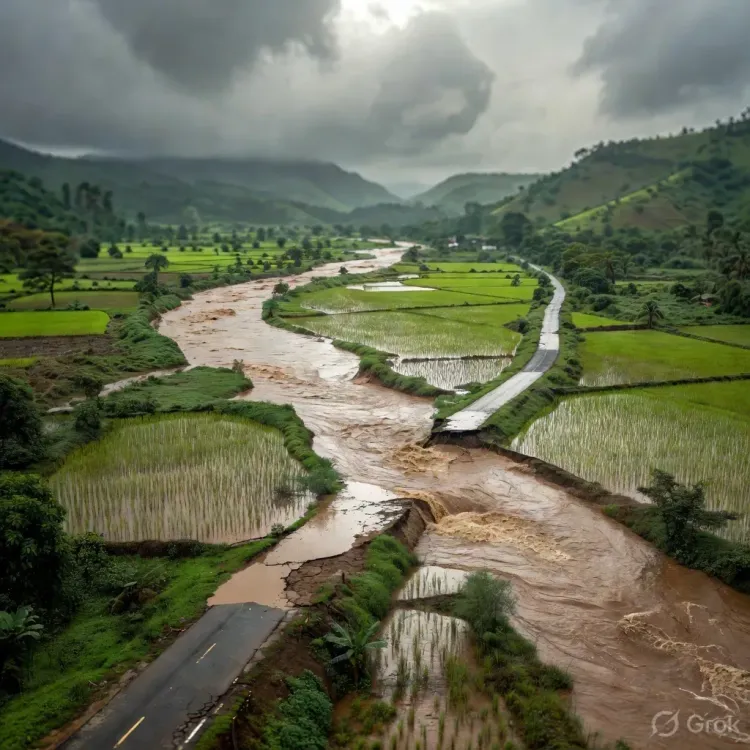
Arunachal Pradesh is a recurrently flood-affected state, drained by the Brahmaputra and its tributaries, making monsoon flooding a near-annual emergency.
India's disaster relief framework is governed by the National Disaster Management Act of 2005 , which sets the rules Arunachal is seeking to have eased.
No supplementary financial package or formal norm relaxation has been announced yet.
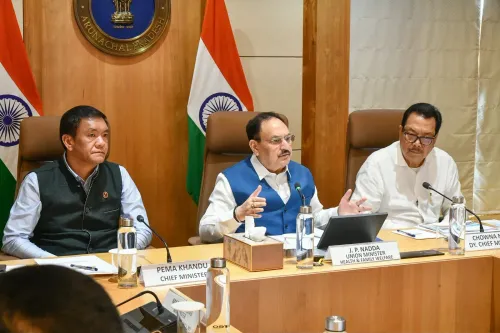
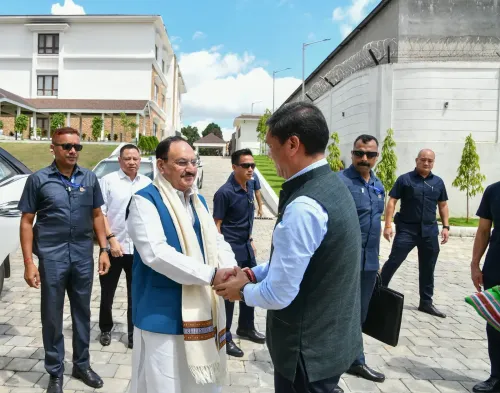
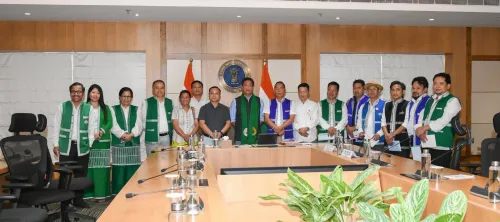
Monsoon flooding has once again put Arunachal Pradesh on the edge — and this time, the state's top leadership is taking the fight straight to New Delhi. Chief Minister Pema Khandu met with Union Minister J.P. Nadda on Friday, August 7, 2026, to review the flood situation gripping the northeastern state, pressing for enhanced financial support and a relaxation of norms to accelerate relief, restoration, and rehabilitation work.
What Khandu Asked For — and Why It Matters
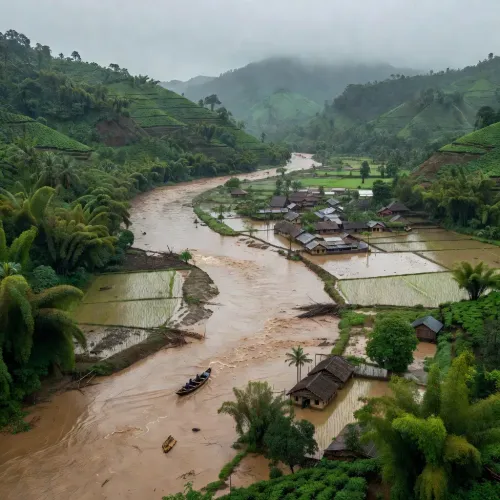
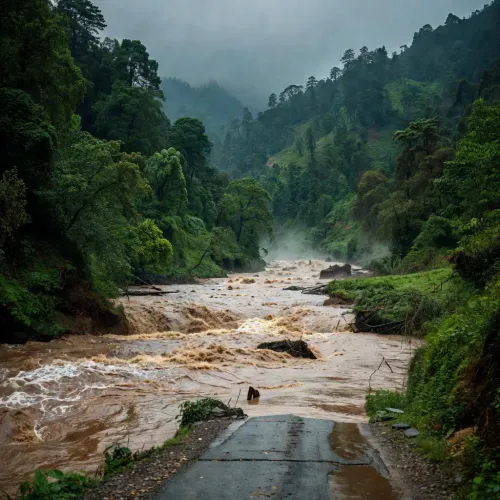
The Chief Minister's Office confirmed that Khandu sought two specific concessions from the Centre: more money, and fewer bureaucratic hurdles. The demand for 'relaxation of norms' is a familiar but consequential ask — it refers to the conditions attached to the State Disaster Response Fund (SDRF) and National Disaster Response Fund (NDRF), the twin financial pillars of India's disaster relief architecture established under the National Disaster Management Act of 2005. These norms govern what the funds can be spent on and at what rates, and state governments routinely argue they are too rigid to match the ground reality of a fast-moving disaster. For Arunachal Pradesh, the stakes are particularly high. The state sits in one of India's most flood-vulnerable corridors, drained by the Brahmaputra and its tributaries — rivers that swell dramatically each monsoon season, cutting off roads, damaging bridges, and displacing communities across the state's difficult terrain.A Recurring Crisis, a Recurring Call for Help
This meeting fits a well-worn pattern across India's Northeast. Every monsoon, state chief ministers and Union ministers convene to assess damage and negotiate the pace of central assistance. What distinguishes this engagement is the direct involvement of J.P. Nadda at the Union level — a signal that the political weight behind Arunachal's request is being taken seriously at the top. Flood-affected communities across the state are waiting on two outcomes: a supplementary financial package from the Union government, and any formal relaxation of SDRF or NDRF spending norms that would let the state administration move faster on ground-level restoration. Neither has been announced yet. The real test of this high-level review will not be in the meeting room — it will be in the speed and scale of what reaches the villages.Point of View
Designed in 2005, is flexible enough for a climate era marked by increasingly severe monsoon events. If norm relaxations are granted, it could set a precedent other northeastern states will quickly invoke.
NationPress
21 Sept 2026
Frequently Asked Questions
Why did CM Pema Khandu meet JP Nadda over Arunachal Pradesh floods?
Chief Minister Pema Khandu met Union Minister J.P. Nadda on August 7, 2026, to review the flood situation in Arunachal Pradesh and seek enhanced financial support along with relaxation of SDRF and NDRF norms to speed up relief and rehabilitation work.
What is the SDRF and why does Arunachal Pradesh want its norms relaxed?
The State Disaster Response Fund (SDRF) is a central government mechanism to help states fund disaster relief, governed by rules set under the National Disaster Management Act of 2005. Arunachal Pradesh wants these norms relaxed so it can spend the money more flexibly and quickly during the current flood emergency.
How often does Arunachal Pradesh face flooding?
Arunachal Pradesh experiences near-annual monsoon flooding due to its location in the Brahmaputra river basin. The state's rivers swell significantly each monsoon season, causing widespread damage to roads, bridges, and communities.
Has the Centre announced any flood relief package for Arunachal Pradesh?
As of the August 7, 2026 meeting, no supplementary financial package or formal relaxation of disaster fund norms has been publicly announced for Arunachal Pradesh.
What is JP Nadda's role in the Arunachal Pradesh flood review?
J.P. Nadda participated in the flood review meeting as a Union Minister, representing the central government's engagement with Arunachal Pradesh's request for additional disaster relief support and norm relaxations.