CM Pema Khandu visits flood-hit Boying village with Union Ministers
Synopsis
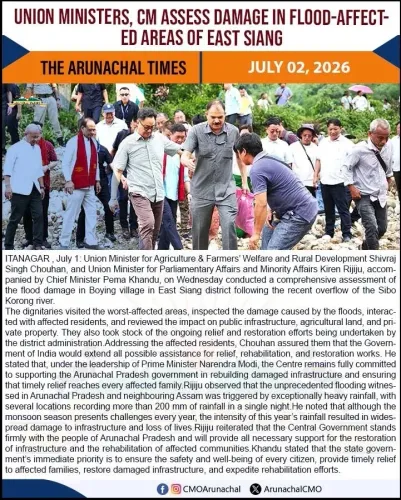
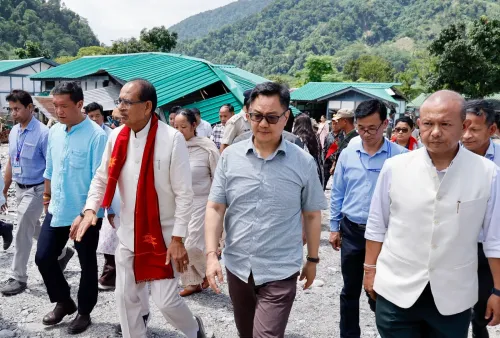
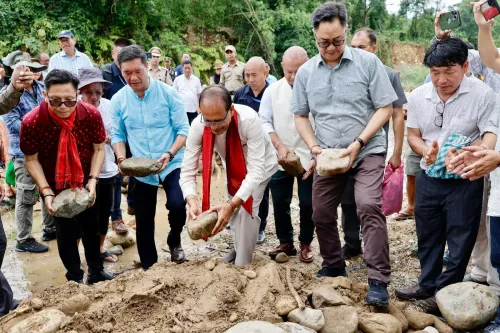
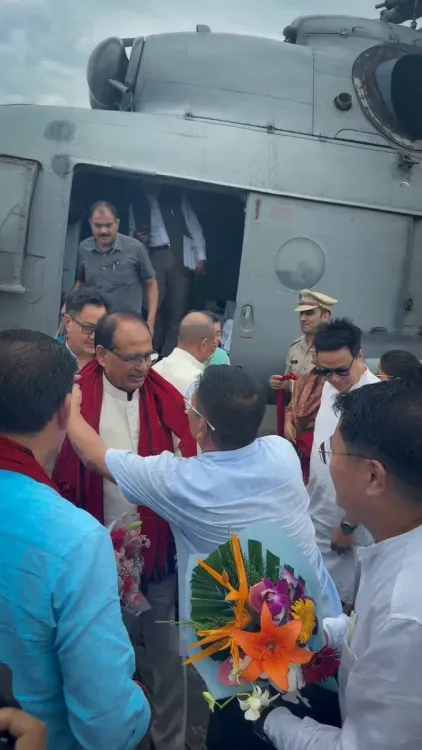
Chief Minister Pema Khandu flew into Pasighat on 1 July 2026 and led Union Ministers Shivraj Singh Chouhan and Kiren Rijiju on a ground inspection of Sibo Korong River flood damage at Boying village, pledging a permanent flood protection solution for East Siang communities.
Key Takeaways
CM Pema Khandu landed at Pasighat on 1 July 2026 and visited Boying village to assess flood damage from the Sibo Korong River .
Union Ministers Shivraj Singh Chouhan and Kiren Rijiju accompanied the Chief Minister on the ground inspection.
Khandu described the damage as 'massive' and committed to a 'permanent flood protection solution' for affected communities.
Arunachal Pradesh faces recurrent Himalayan riverine flooding; communities have long demanded durable embankments over temporary seasonal repairs.
The central government's Flood Management Programme (2007) and the NDMA provide existing frameworks for funding long-term flood control works in such regions.
Specific project approvals, funding allocations, and timelines for permanent works in East Siang district are yet to be announced.
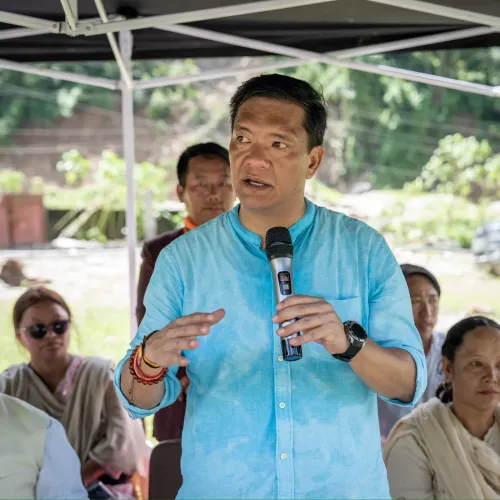
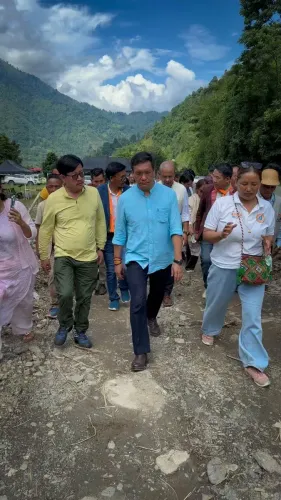
Arunachal Pradesh Chief Minister Pema Khandu landed at Pasighat on 1 July 2026 and proceeded directly to Boying village to assess flood damage caused by the Sibo Korong River, accompanied by Union Ministers Shivraj Singh Chouhan and Kiren Rijiju. Khandu described the destruction as 'massive' and pledged to work on a permanent flood protection solution for the affected communities.
Context
Boying village, located in the East Siang district of Arunachal Pradesh, bore the brunt of flooding from the Sibo Korong River, a tributary that drains into the broader Himalayan river network of the region. Chief Minister Khandu, along with the two Union Ministers, conducted a firsthand ground inspection of the damage rather than relying solely on administrative reports — a signal of the severity of the situation. Khandu stated on X (formerly Twitter) that the delegation 'saw it firsthand' and committed to pursuing 'a permanent flood protection solution to protect our people and their future.'
Policy Backdrop
Arunachal Pradesh is among the most flood-vulnerable states in India, with its Himalayan terrain and heavy monsoon rainfall causing recurrent riverine flooding each year. Communities along river corridors have long called for durable embankments and river training works rather than temporary seasonal repairs that require repeated expenditure. The central government's Flood Management Programme, launched in 2007 by the Ministry of Water Resources, provides financial assistance to states for precisely such long-term flood control infrastructure. The National Disaster Management Authority (NDMA), established under the Disaster Management Act of 2005, has also coordinated multi-state flood mitigation efforts across the Northeast over the years.
Union Minister Kiren Rijiju, who represents Arunachal Pradesh in the Union Cabinet, has been a consistent voice for central resources being directed toward the state's infrastructure and disaster resilience needs. Union Minister Shivraj Singh Chouhan, a senior BJP leader and former Chief Minister of Madhya Pradesh, brings experience in centre-state coordination on welfare and development issues. Their joint presence at the site underscores the political weight the Centre is attaching to this assessment.
Stakeholders and Impact
The most immediate stakeholders are the residents of Boying village and the surrounding agricultural communities in East Siang district, whose livelihoods, homes, and farmlands are at risk from recurring floods. Pasighat, the district headquarters and a key administrative and transport hub in eastern Arunachal Pradesh, serves as the logistical base for relief and reconstruction operations in the region. A permanent structural intervention — such as embankments or river training works — would benefit not just Boying but the broader network of villages vulnerable to the Sibo Korong River's seasonal fury.
The visit also carries significance for border and ecologically sensitive areas: Arunachal Pradesh shares a long boundary with China, and infrastructure resilience in the state has strategic dimensions beyond disaster management alone.
What's Next
The key development to watch is whether the ministerial visit translates into specific project approvals, central funding allocations, and concrete timelines for permanent flood protection works in East Siang district. Chief Minister Khandu's public commitment to a 'permanent solution' raises the expectation of a formal announcement in the days or weeks ahead. Should central funds be unlocked under existing frameworks such as the Flood Management Programme, it could set a template for similarly affected districts across the Northeast. The political optics of three senior leaders — a state chief minister and two Union ministers — conducting a joint field visit suggest that a substantive policy response is being prepared rather than a routine acknowledgment of damage.
Point of View
Particularly in a state that borders China and carries strategic weight. Whether this translates into bankable project sanctions under the Flood Management Programme will determine if the visit marks a policy inflection point or remains a well-photographed gesture.
NationPress
29 Sept 2026
Frequently Asked Questions
What happened at Boying village in Arunachal Pradesh?
Boying village in East Siang district suffered significant flood damage due to the Sibo Korong River. Chief Minister Pema Khandu and Union Ministers Shivraj Singh Chouhan and Kiren Rijiju visited the site on 1 July 2026 to assess the destruction firsthand.
Why did Pema Khandu visit Pasighat on 1 July 2026?
CM Pema Khandu landed at Pasighat and proceeded to Boying village to conduct a ground inspection of flood damage caused by the Sibo Korong River, accompanied by two Union Ministers, and to announce plans for a permanent flood protection solution.
Which Union Ministers visited the flood-affected area in Arunachal Pradesh?
Union Ministers Shivraj Singh Chouhan and Kiren Rijiju accompanied Chief Minister Pema Khandu during the flood damage assessment visit to Boying village in East Siang district on 1 July 2026.
What is the Sibo Korong River and why is it flooding?
The Sibo Korong River is a Himalayan river tributary in Arunachal Pradesh. Like many rivers in the state, it is prone to severe flooding during the monsoon season due to the region's steep terrain and heavy rainfall, causing recurring damage to nearby villages.
What is the government's plan for flood protection in East Siang district?
Chief Minister Pema Khandu has pledged to work on a permanent flood protection solution for communities affected by the Sibo Korong River. Specific project approvals and funding timelines under frameworks like the central Flood Management Programme are yet to be formally announced.