CM Pema Khandu Visits Jhamtse Gatsal Community in Lumla
Synopsis
Arunachal Pradesh Chief Minister Pema Khandu visited the Jhamtse Gatsal Children's Community in Lumla, Tawang on 23 June 2026, meeting founder Lobsang Phuntsok and lauding the institution's model of residential, value-based care for underprivileged children in a remote Indo-Tibet border district.
Key Takeaways
Pema Khandu visited Jhamtse Gatsal Children's Community in Lumla, Tawang district on 23 June 2026 .
The community was founded by Lobsang Phuntsok , a Tibetan Buddhist monk, and provides residential care, schooling, and life-skills training to underprivileged children.
Lumla is located near the Indo-Tibet border in a region with a predominantly Monpa population and limited formal infrastructure.
The Chief Minister described the institution as 'more than a home or a school — a nurturing family' focused on love, dignity, education, and purpose.
The visit continues a broader pattern of Arunachal Pradesh governments visibly supporting community-run residential education in frontier border districts.
Formal state support — such as budget allocations or MoUs — for similar institutions remains a key development to watch.
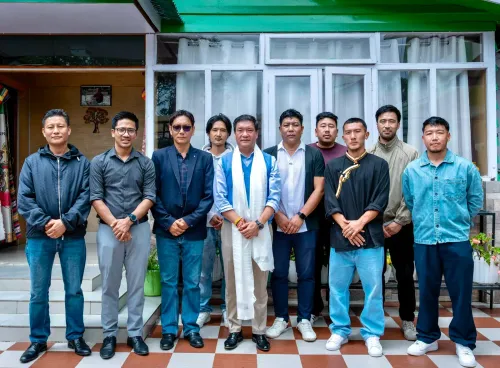
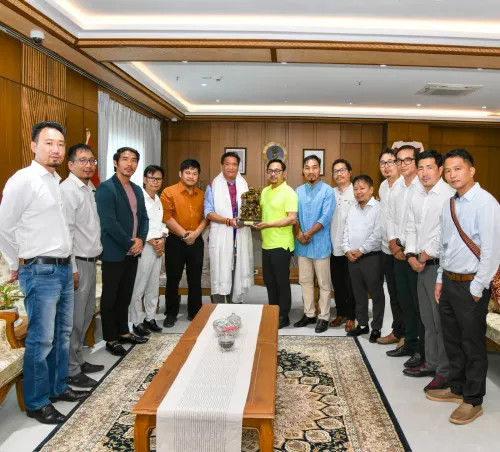
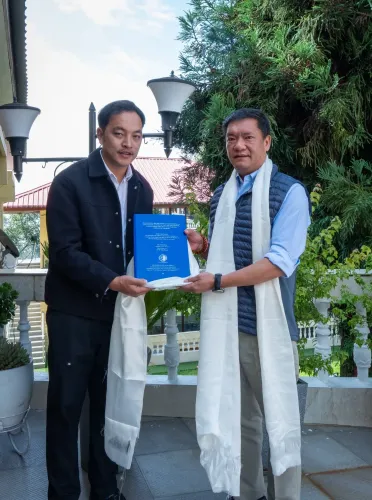
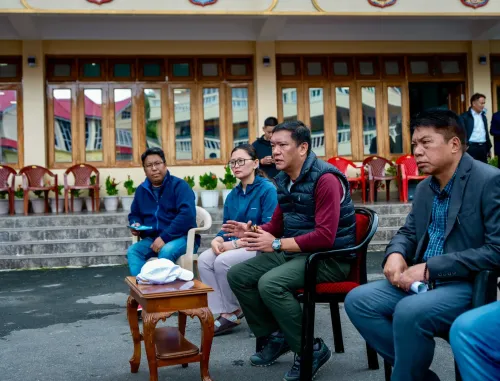
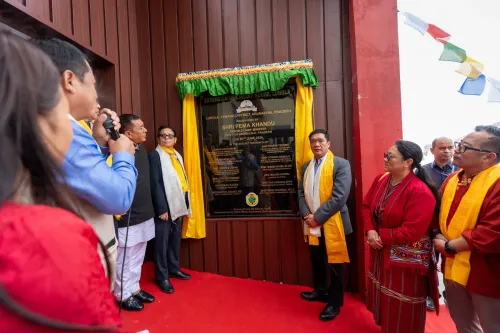
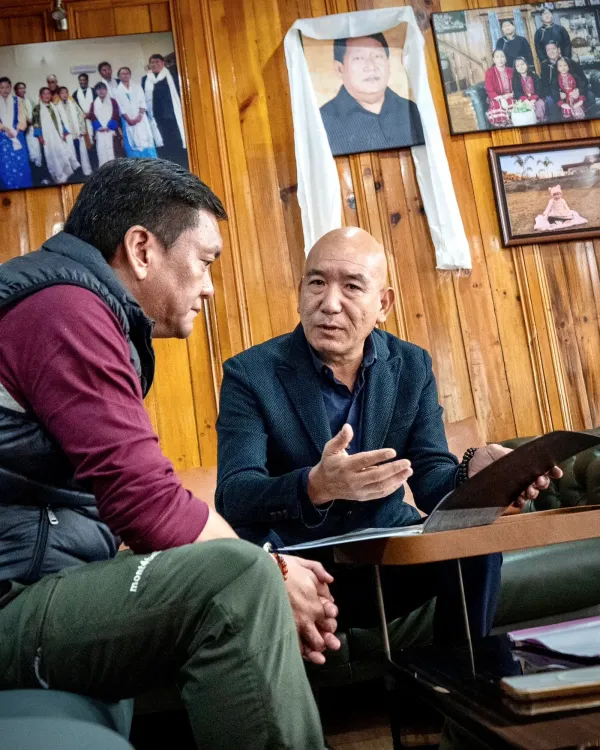
Arunachal Pradesh Chief Minister Pema Khandu on Tuesday, 23 June 2026, visited the Jhamtse Gatsal Children's Community in Lumla, Tawang district, meeting its founder and expressing appreciation for the institution's work in providing value-based residential care to children from disadvantaged backgrounds.
Context
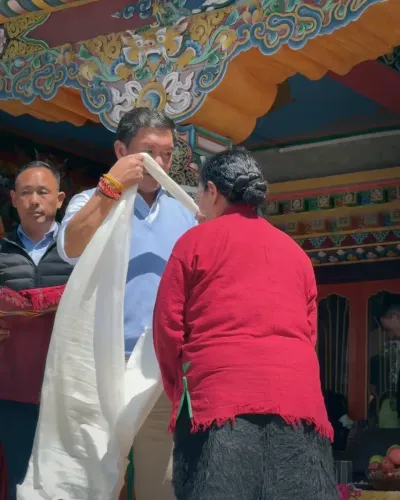
The Chief Minister described Jhamtse Gatsal as 'more than a home or a school — a nurturing family where children grow with love, dignity, education, and purpose.' He was received by Shri Lobsang Phuntsok Ji, the Tibetan Buddhist monk who founded and continues to direct the community. Khandu praised Phuntsok Ji and his team for 'shaping young lives with values and purpose.'
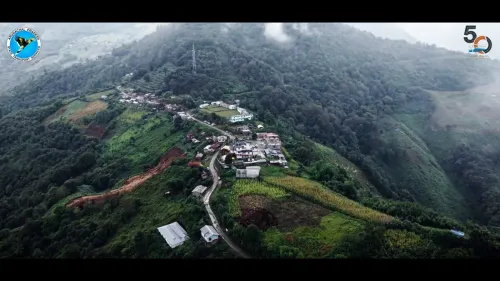
Lumla is a township in Tawang district, situated near the Indo-Tibet border and home to a predominantly Monpa population. Its remote location and sparse formal infrastructure make community-run residential institutions particularly significant for local children.
Policy Backdrop
Arunachal Pradesh governments have periodically highlighted partnerships with community-run residential institutions to supplement state schooling in sparsely populated border districts. The state's frontier geography — marked by difficult terrain and limited connectivity — makes conventional school infrastructure harder to sustain, giving residential models like Jhamtse Gatsal an outsized role in local human development.
Nationally, programmes such as Sarva Shiksha Abhiyan, launched in 2001, sought to expand elementary education access in remote states including Arunachal Pradesh. Community-led institutions operating in areas like Tawang complement such state and central schemes by offering continuity of care beyond the classroom.
Stakeholders and Impact
The primary beneficiaries of Jhamtse Gatsal are underprivileged children from border communities in Tawang and surrounding areas. The community provides long-term residential care, schooling, and life-skills training, aiming to equip children with both academic grounding and a sense of personal purpose.
Lobsang Phuntsok, as founder and director, has built the institution around values rooted in compassion and dignity — principles he has pursued as a monk committed to residential child welfare. The Chief Minister's visit lends visible state-level recognition to this model of value-oriented education in a strategically sensitive border region.
What's Next
Observers will watch whether the Chief Minister's visit translates into formal state support — such as budget allocations or memoranda of understanding — for the expansion of similar residential education models in Tawang and other frontier districts. Any references in the next Arunachal Pradesh Legislative Assembly session to community-run child welfare institutions could signal a more structured policy commitment. The visit reinforces a broader pattern of the state government spotlighting human development alongside infrastructure investment in its border areas.
Point of View
Residential education models reflects a broader Arunachal Pradesh approach of supplementing thin state infrastructure with recognised civil-society actors. Whether this visibility converts into structured funding or policy backing will determine the long-term significance of the engagement.
NationPress
22 Sept 2026
Frequently Asked Questions
What is Jhamtse Gatsal Children's Community?
Jhamtse Gatsal Children's Community is a residential institution in Lumla, Tawang district, Arunachal Pradesh , founded by Tibetan Buddhist monk Lobsang Phuntsok . It provides long-term care, schooling, and life-skills training to children from disadvantaged backgrounds in the border region.
Why did Pema Khandu visit Jhamtse Gatsal?
Arunachal Pradesh Chief Minister Pema Khandu visited Jhamtse Gatsal on 23 June 2026 at the invitation of founder Lobsang Phuntsok , expressing appreciation for the institution's value-based residential education model and its work in shaping young lives in a remote border district.
Where is Lumla located in Arunachal Pradesh?
Lumla is a township in Tawang district , Arunachal Pradesh, situated near the Indo-Tibet border . It has a predominantly Monpa population and limited formal infrastructure, making community-run institutions especially important for local children.
Who is Lobsang Phuntsok?
Lobsang Phuntsok is a Tibetan Buddhist monk who founded and directs the Jhamtse Gatsal Children's Community in Lumla. He has built the institution around principles of compassion, dignity, and value-oriented education for underprivileged children.
What is the significance of Pema Khandu's visit for Tawang education?
The visit by CM Pema Khandu lends high-level state recognition to community-run residential education in Tawang , a frontier district with difficult terrain. It continues a pattern of the Arunachal Pradesh government highlighting such institutions and raises expectations of formal support like budget allocations or policy partnerships.