CM Lalduhoma Launches Ginger Mission, PM-AASHA in Mizoram
Synopsis
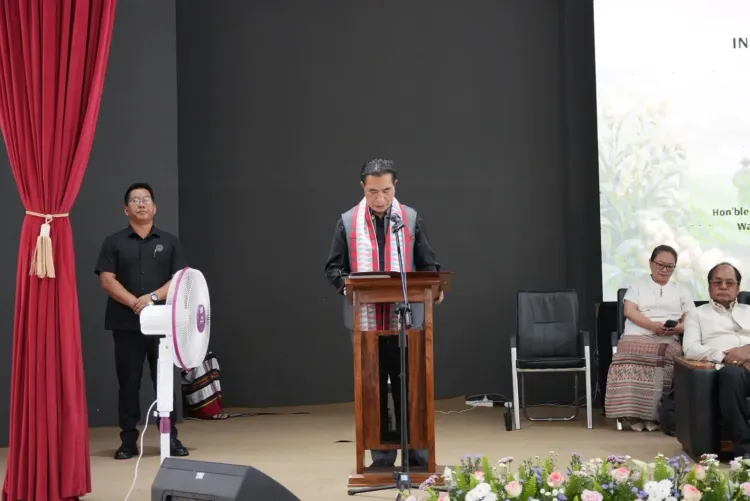
Chief Minister Lalduhoma on June 2, 2026 inaugurated the Mizo Ginger USP Mission Projects, PM-AASHA Price Support Scheme, and NCEL Ginger Export Awareness Workshop in Mizoram, backed by DoNER Minister Jyotiraditya Scindia, to boost sustainable cultivation and ginger exports from the northeastern state.
Key Takeaways
Chief Minister Lalduhoma inaugurated three ginger-sector initiatives on June 2, 2026 : the Mizo Ginger USP Mission Projects, PM-AASHA Price Support Scheme, and NCEL Ginger Export Awareness Workshop.
The PM-AASHA scheme, launched nationally in 2018 , provides minimum support price protection and procurement support for farmers, including spice growers.
DoNER Minister Jyotiraditya Scindia was credited by the Chief Minister for support towards sustainable cultivation and ginger processing infrastructure in Mizoram.
Mizoram is recognised for organic ginger cultivation and has received DoNER-funded horticulture support since the mid-2000s.
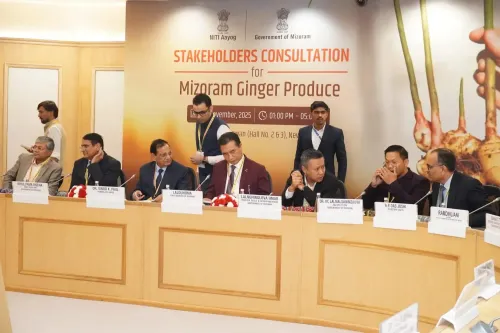
The NCEL Ginger Export Awareness Workshop targets the export pipeline, aiming to connect Mizoram farmers and traders with international market requirements.
The three initiatives together aim to provide a price floor for farmers while simultaneously opening an upward export market pathway for Mizoram ginger.
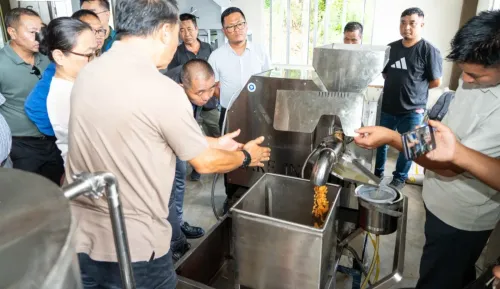
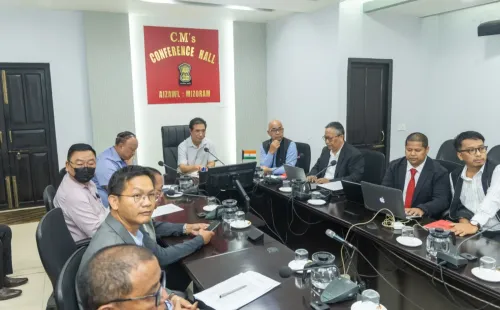
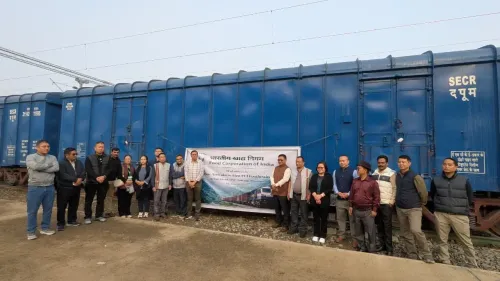
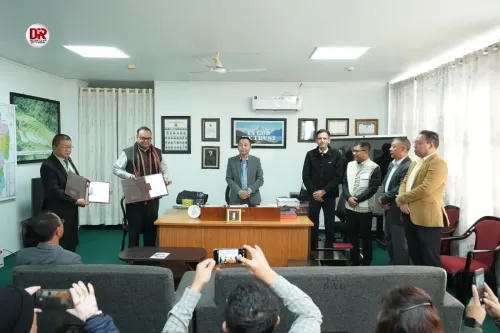
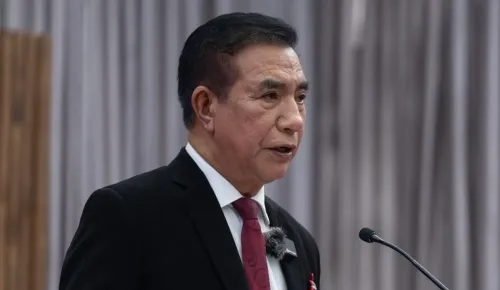
The Chief Minister's Office of Mizoram announced on Tuesday, June 2, 2026, that Chief Minister Lalduhoma inaugurated three major agriculture initiatives — the Mizo Ginger USP Mission Projects, the PM-AASHA Price Support Scheme, and the NCEL Ginger Export Awareness Workshop — marking a significant push to strengthen the state's ginger sector.
Context
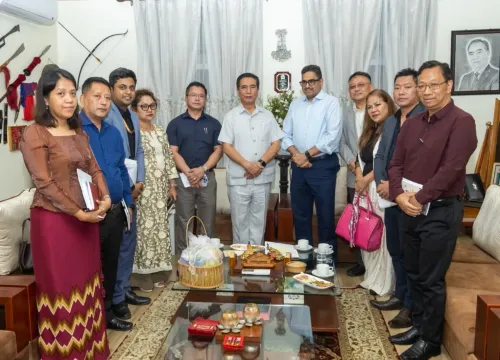
The inauguration brings together a state-led branding mission, a central price-support mechanism, and an export-readiness initiative under one umbrella event. Chief Minister Lalduhoma publicly thanked Union Minister for DoNER Jyotiraditya Scindia for his support towards 'sustainable cultivation and ginger processing infrastructure' in the state. The acknowledgement signals active coordination between the Zoram People's Movement-led state government and the Ministry of Development of North Eastern Region (DoNER).
Policy Backdrop
PM-AASHA, launched nationally in 2018, is a central scheme designed to protect farmers from price volatility by guaranteeing minimum support prices and enabling procurement or deficiency payments for agricultural produce, including spices. Mizoram has long been recognised for its organic ginger cultivation, and the state has received DoNER-funded horticulture and spice cluster support since the mid-2000s under successive North East development packages. The Mizo Ginger USP Mission Projects appear designed to build on this foundation by establishing a distinct value proposition for Mizoram ginger in domestic and international markets.
The NCEL Ginger Export Awareness Workshop targets the export pipeline, equipping farmers and trade stakeholders with knowledge of international market requirements. Together, the three initiatives reflect a coordinated state-central strategy to reduce post-harvest losses, improve price realisation, and expand Mizoram's share of ginger export volumes.
Stakeholders and Impact
The primary beneficiaries are Mizoram's ginger farmers, who have historically faced price uncertainty and limited access to processing and cold-chain infrastructure. By activating PM-AASHA's price-support mechanism alongside a dedicated export awareness programme, the government aims to provide both a price floor and an upward market pathway. Ginger exporters and agri-processing units in the state stand to benefit from a more organised supply chain and improved produce quality standards that come with mission-mode cultivation programmes.
The DoNER ministry's continued investment in Mizoram's agriculture sector also carries broader significance for the North East as a whole, as it demonstrates a replicable model of central-state collaboration that could be extended to other hill states with similar organic spice potential.
What's Next
Attention will now turn to the rollout timelines for new ginger processing units and any follow-up export orders that emerge from the NCEL workshop. Policymakers and agri-sector stakeholders will also watch whether the USP Mission model is extended to other high-value spice crops in Mizoram and neighbouring northeastern states. The success of PM-AASHA implementation at the ground level — particularly the speed of procurement and deficiency payment disbursals — will be a key indicator of whether farmers see tangible income gains from Tuesday's inaugurations.
Point of View
Signalling that the Zoram People's Movement government is willing to work across party lines to secure central resources for the state. The USP Mission branding approach, if executed well, could differentiate Mizoram ginger in competitive export markets the way geographic indication tags have benefited other Indian agricultural products. The real test, however, lies in whether processing infrastructure investments and PM-AASHA disbursals translate into measurable income gains for farmers before the next electoral cycle.
NationPress
16 Sept 2026
Frequently Asked Questions
What is the Mizo Ginger USP Mission Project?
The Mizo Ginger USP Mission Project is a state initiative inaugurated by Chief Minister Lalduhoma on June 2, 2026, aimed at building a distinct value proposition for Mizoram-grown ginger in domestic and export markets, supported by DoNER ministry funding for sustainable cultivation and processing infrastructure.
What is PM-AASHA and how does it help Mizoram ginger farmers?
PM-AASHA is a central government scheme launched in 2018 that protects farmers from price volatility by guaranteeing minimum support prices and enabling procurement or deficiency payments. For Mizoram ginger farmers, its activation provides a price floor, reducing the risk of distress sales during harvest gluts.
What is the NCEL Ginger Export Awareness Workshop?
The NCEL Ginger Export Awareness Workshop, inaugurated alongside the other schemes on June 2, 2026, is designed to equip Mizoram farmers and trade stakeholders with knowledge of international market requirements to help expand the state's ginger export volumes.
What is DoNER's role in Mizoram's agriculture sector?
The Ministry of Development of North Eastern Region (DoNER) has funded spice and horticulture clusters in Mizoram since the mid-2000s. Union Minister Jyotiraditya Scindia was thanked by CM Lalduhoma for DoNER's support towards sustainable cultivation and ginger processing infrastructure in the state.
Why is Mizoram known for ginger cultivation?
Mizoram is recognised for producing high-quality organic ginger suited to export markets. The state has benefited from organic certification initiatives and infrastructure grants aimed at reducing post-harvest losses, making its ginger a candidate for premium positioning in domestic and international trade.