CM Lalduhoma Opens Aadhi Bazaar in Aizawl
Synopsis
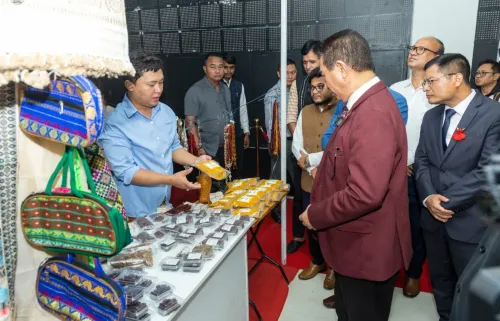
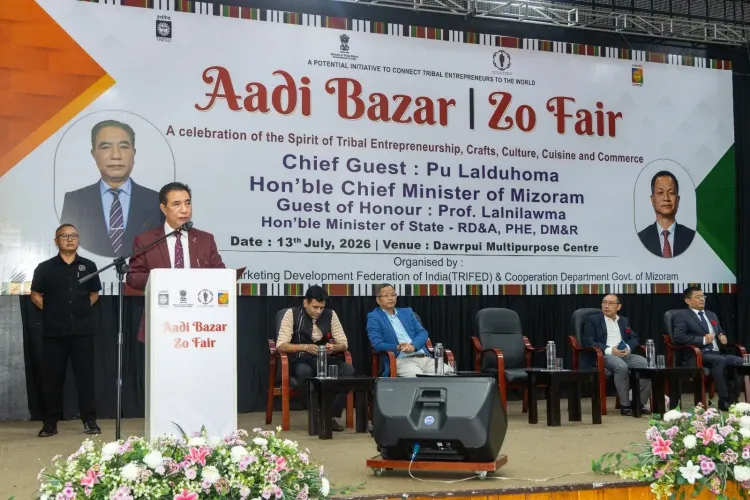
Chief Minister Lalduhoma on 13 July 2026 inaugurated the week-long Aadhi Bazaar at Dawrpui Multipurpose Hall in Aizawl. Jointly organised by TRIFED and Mizoram's Cooperation Department, the fair showcases indigenous handicrafts, handloom, tribal cuisine and natural products from across the Northeast.
Key Takeaways
CM Lalduhoma inaugurated the Aadhi Bazaar at Dawrpui Multipurpose Hall, Aizawl on 13 July 2026 .
The fair runs for one week and is jointly organised by TRIFED and the Cooperation Department, Mizoram .
Products on display include indigenous handicrafts, handloom textiles, tribal cuisine and natural products from across the North Eastern States .
TRIFED , established in 1987 , has expanded its Aadhi Bazaar format across multiple Northeast states to improve market access for tribal artisans.
The event supports tribal artisans and cooperative societies by linking them directly with urban consumers in Aizawl .
Chief Minister Lalduhoma of Mizoram inaugurated the week-long Aadhi Bazaar at the Dawrpui Multipurpose Hall in Aizawl on Monday, 13 July 2026. The fair, jointly organised by TRIFED and the Cooperation Department, Mizoram, brings together indigenous handicrafts, handloom textiles, tribal cuisine and natural products sourced from across the North Eastern States.
Context
The Aadhi Bazaar is a curated tribal products fair designed to give artisans and producers from the Northeast direct access to urban consumers. Dawrpui Multipurpose Hall, a well-established public venue in Aizawl, has regularly hosted government-organised exhibitions and cultural events, making it a natural anchor for a week-long retail and cultural showcase.
The fair spotlights the diversity of the eight-state Northeast region, whose tribal communities are known for intricate handloom weaves, bamboo and cane crafts, forest-derived natural products and distinct culinary traditions. By housing all of these under one roof, the event allows visitors to engage with a breadth of cultural output that would otherwise require travel across multiple states.
Policy Backdrop
TRIFED — the Tribal Cooperative Marketing Development Federation of India — was established in 1987 under the Ministry of Tribal Affairs with a mandate to market tribal handicrafts, handlooms and natural products and thereby support artisan livelihoods. Over successive decades, its footprint expanded to cover tribal-majority regions nationwide, including the Northeast, as part of broader livelihood and cultural-promotion strategies.
A significant policy milestone was the launch of the Van Dhan Yojana in 2018, which created tribal enterprises through value addition and marketing of minor forest produce and crafts. TRIFED has since conducted regional tribal product exhibitions and Aadhi Bazaars across multiple Northeast states to widen market access for producers who might otherwise rely on limited local trade channels.
The Cooperation Department, Mizoram plays a complementary role: it promotes cooperative societies and facilitates marketing of local produce, partnering with national bodies like TRIFED to stage events that give Mizoram-based and broader Northeast producers a platform beyond the state's borders.
Stakeholders and Impact
The primary beneficiaries of the Aadhi Bazaar are tribal artisans, weavers, cooperative societies and small producers from across the Northeast. For many of these stakeholders, fairs of this nature represent one of the few structured opportunities to reach buyers outside their immediate geography without the cost of establishing independent retail presence.
Consumers in Aizawl gain access to a curated selection of authentic tribal goods spanning handicrafts, handloom fabric, tribal cuisine and natural products — categories that carry both cultural significance and growing urban demand. The event also reinforces cultural knowledge embedded in traditional crafts and culinary practices, which risk dilution without active institutional support.
What's Next
With the Aadhi Bazaar running for a full week, attention will turn to the sales figures and repeat orders it generates for participating artisans — metrics that typically inform whether state and central agencies expand or replicate such initiatives. Any announcements in the next Mizoram assembly session regarding enhanced Cooperation Department support for artisans would signal the government's intent to build on the momentum from this event.
The inauguration by CM Lalduhoma also signals the Zoram People's Movement government's alignment with centrally driven tribal welfare frameworks, a posture that could shape future collaboration with TRIFED on larger or more permanent market-linkage infrastructure for the state's artisan community.
Point of View
Lending the Chief Minister's presence to a centrally organised tribal fair is a calculated alignment with New Delhi's tribal welfare framework — one that costs little politically while yielding visible cultural dividends. The real test will come in the assembly session that follows: whether the Cooperation Department receives expanded budgetary support for artisan marketing will reveal how seriously the state intends to institutionalise what today's fair demonstrates. In the broader Northeast context, Mizoram's active participation also positions the state as a willing partner in regional cultural-economy initiatives at a time when several northeastern governments are competing for central tribal-development allocations.
NationPress
12 Oct 2026
Frequently Asked Questions
What is the Aadhi Bazaar in Aizawl?
The Aadhi Bazaar is a week-long tribal products fair inaugurated on 13 July 2026 at Dawrpui Multipurpose Hall in Aizawl, jointly organised by TRIFED and the Cooperation Department, Mizoram, showcasing handicrafts, handloom, tribal cuisine and natural products from across the Northeast.
Who inaugurated the Aadhi Bazaar 2026 in Mizoram?
Chief Minister Lalduhoma of Mizoram inaugurated the Aadhi Bazaar at Dawrpui Multipurpose Hall, Aizawl, on 13 July 2026.
What is TRIFED and what does it do?
TRIFED, the Tribal Cooperative Marketing Development Federation of India, was established in 1987 under the Ministry of Tribal Affairs to market tribal handicrafts, handlooms and natural products, supporting artisan livelihoods across tribal-majority regions including the Northeast.
What products are sold at the Aadhi Bazaar?
The Aadhi Bazaar features indigenous handicrafts, handloom textiles, tribal cuisine and natural products sourced from tribal communities across the North Eastern States of India.
Where is Dawrpui Multipurpose Hall?
Dawrpui Multipurpose Hall is a public venue in Aizawl, the capital of Mizoram, regularly used for government-organised exhibitions, cultural events and fairs.