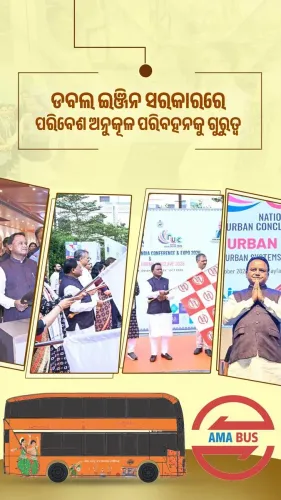
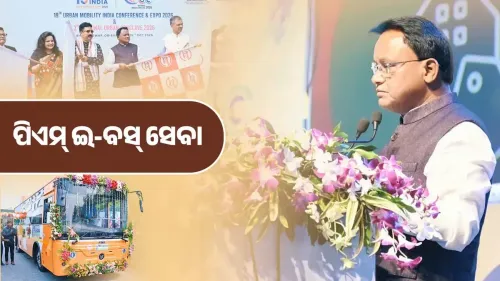
CM Majhi: 400 new e-buses for Odisha cities
Synopsis
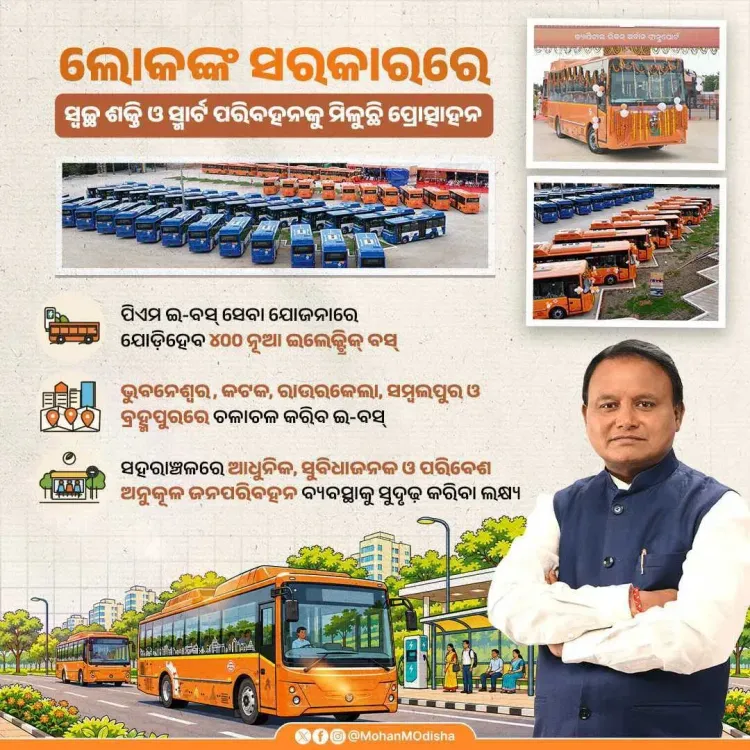
Odisha CM Mohan Charan Majhi said 400 new electric buses will join urban fleets under the PM e-Bus Sewa Scheme, promising cleaner, more convenient city travel as the state aligns with the national e-mobility push.
Key Takeaways
Odisha Chief Minister Mohan Charan Majhi said 400 new electric buses will be added under the PM e-Bus Sewa Scheme .
He framed the move as part of efforts to promote clean energy and smart mobility in urban Odisha.
The Union Cabinet approved PM e-Bus Sewa in August 2023 to deploy 10,000 electric buses across 169 cities.
Majhi has been Chief Minister since June 2024 , after the 2024 assembly election.
Tenders, depot charging and service in cities such as Bhubaneswar and Cuttack remain the next practical steps.
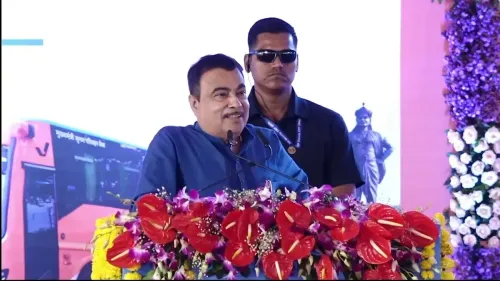
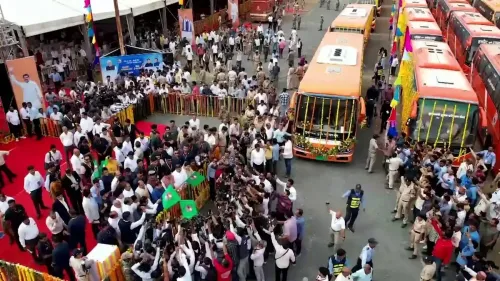
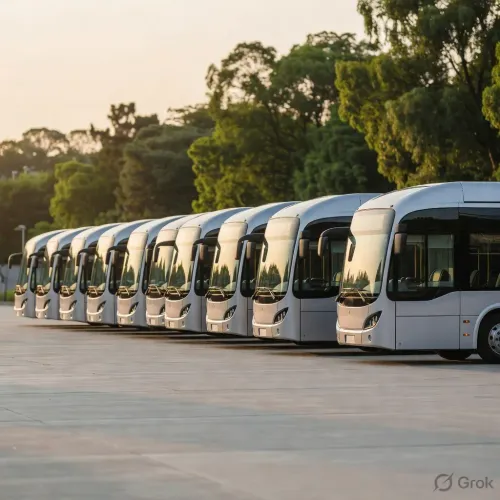
A quieter, cleaner bus at the city stop — that is the promise Odisha Chief Minister Mohan Charan Majhi made on 28 November 2026. He said 400 new electric buses would be added under the PM e-Bus Sewa Scheme, tying Odisha's urban routes to India's wider push for clean energy and smart mobility.
In Odia and English, Majhi argued that the people's government, the Lokanka Sarkar, is keeping up a continuous effort to modernise and strengthen urban public transport. Clean energy and smart mobility, he said, would give passengers comfortable, convenient and environment-friendly travel, and would give city transport ‘new momentum’.
His English line was direct: the Lokanka Sarkar is promoting clean energy and smart mobility to strengthen urban public transport in Odisha. Under the scheme, he added, 400 new electric buses will be added, ensuring comfortable, convenient and eco-friendly travel for commuters.
What Majhi said the 400 e-buses will change
The Chief Minister cast the buses as more than extra seats. He linked them to a cleaner, more durable urban system — clean and sustainable transport that, in his telling, should feel modern to the daily rider.
The 400 figure is the Chief Minister's own. The post does not name operators, routes, or a month-by-month rollout. For now, the public claim is the fleet addition itself.
PM e-Bus Sewa and a decade of electric fleets
The Union Cabinet approved PM e-Bus Sewa in August 2023 to introduce 10,000 electric buses in 169 cities, under the Ministry of Housing and Urban Affairs. That scheme sits on top of a longer national turn, from the 2010s FAME programmes onward, to cut urban emissions and diesel use by electrifying public transport.
States have folded those central instruments into local urban plans. Odisha, under Majhi — Chief Minister since June 2024 and the first BJP leader in that office after the 2024 assembly election — is now putting that alignment on the record.
Bhubaneswar, Cuttack and the charging question
Urban commuters and city transport operators will feel this first. The next tests are unglamorous: tenders, depot space, and charging infrastructure in major centres such as Bhubaneswar and Cuttack.
An electric bus that cannot charge overnight is a sculpture in a depot. Odisha's cities will be judged on whether those 400 buses — and the power behind them — actually reach the stop.
Point of View
Not a brand-new programme invented in Bhubaneswar. For a BJP government that took office in June 2024, lining up behind PM e-Bus Sewa is a clear way to show the state is plugged into the Centre's urban-mobility and clean-energy agenda. The policy arc is India's decade-long shift from FAME incentives to dedicated e-bus procurement. The political credit will last only if tenders, chargers and buses follow the post.
NationPress
28 Nov 2026
Frequently Asked Questions
What did Odisha CM Mohan Charan Majhi announce about electric buses?
He said 400 new electric buses will be added under the PM e-Bus Sewa Scheme to strengthen urban public transport. He tied the move to clean energy, smart mobility and more comfortable, eco-friendly travel for commuters.
What is the PM e-Bus Sewa Scheme?
It is a central government programme approved by the Union Cabinet in August 2023. It aims to introduce 10,000 electric buses in 169 cities under the Ministry of Housing and Urban Affairs.
How many electric buses did Odisha's CM say will be added?
Mohan Charan Majhi said 400 new electric buses will be added. The number comes from his announcement; the post did not name operators, routes or a detailed timetable.
When did Mohan Charan Majhi become Chief Minister of Odisha?
He has been Chief Minister since June 2024. He is the first BJP leader in that office after the party's 2024 assembly election victory.
Which Odisha cities are likely to see the new e-buses?
The Chief Minister spoke of urban Odisha as a whole and did not list cities in the post. Major centres such as Bhubaneswar and Cuttack are the natural places to watch for tenders, charging depots and actual deployment.