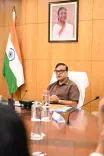
CM Majhi Approves ₹625 Cr Water Storage Push for Odisha Villages
Synopsis
Odisha Chief Minister Mohan Charan Majhi has announced five in-stream storage projects costing ₹625.47 crore to provide drinking water and irrigation to 72,000 people across 74 villages in five districts, reinforcing the state's rural water security push.
Key Takeaways
₹625.47 crore allocated for five in-stream storage projects across five Odisha districts.
An estimated 72,000 residents across 74 villages are set to benefit from improved drinking water and irrigation access.
In-stream storage structures address 'source sustainability' — a key gap in the national Jal Jeevan Mission rollout in eastern India.
CM Mohan Charan Majhi framed the investment as a dual priority: water conservation and rural livelihood creation.
The BJP government in Odisha, in office since June 2024 , positions the announcement as part of a broader rural development agenda.
Rollout timelines across five simultaneous construction sites will be the key indicator of project delivery.
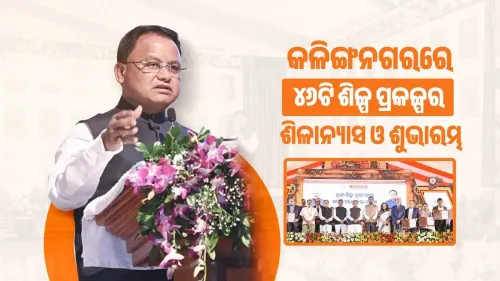
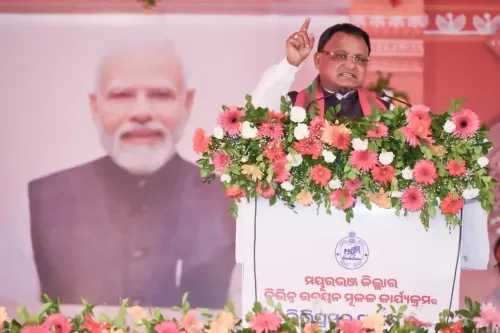
Water for 72,000 people across 74 villages — that is the promise attached to a ₹625.47 crore infrastructure push announced by Odisha Chief Minister Mohan Charan Majhi on Monday, November 16, signalling the state's sharpest rural water investment in recent memory.
Posting in Odia on X, CM Majhi wrote: 'ଲୋକଙ୍କ ସରକାରରେ ଜଳ ସଂରକ୍ଷଣ ସହ ଗ୍ରାମୀଣ ବିକାଶକୁ ଦିଆଯାଉଛି ପ୍ରାଥମିକତା' — 'In the people's government, water conservation and rural development are being given priority.' The plan centres on five in-stream storage projects spread across five districts, designed to simultaneously strengthen drinking water access, expand irrigation coverage, and open new livelihood channels for farming communities.
What five in-stream storage projects actually do
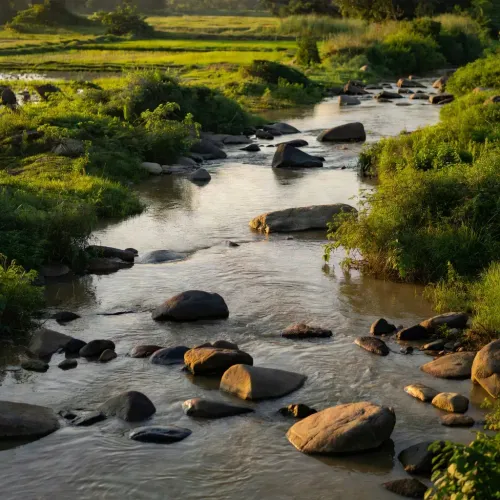
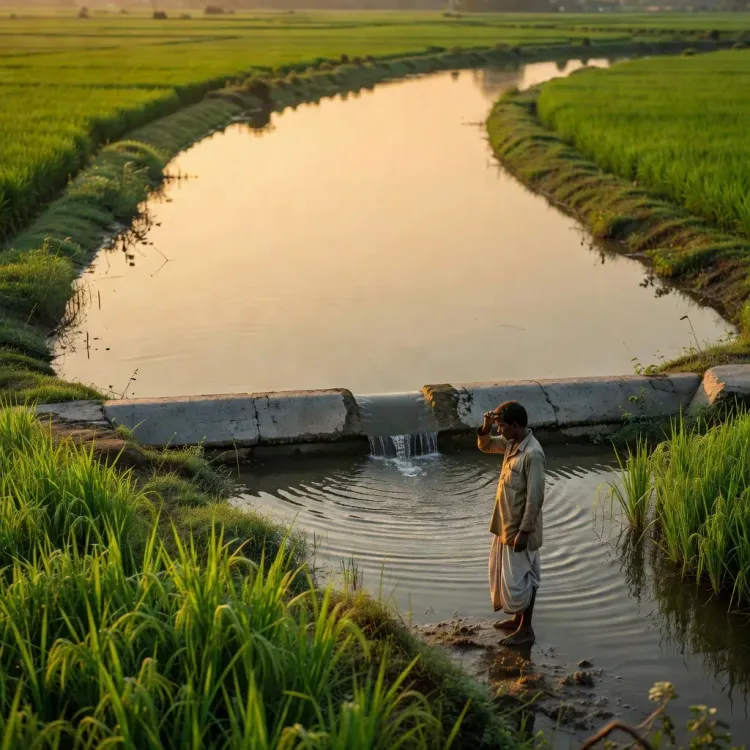
In-stream storage structures intercept river or stream flow within the natural channel — no large dam, no massive displacement — storing water where it already moves. The approach is especially suited to Odisha's topography, where seasonal rainfall is intense but unevenly distributed, leaving many eastern-district villages parched through the dry months. By storing water in-stream, the projects serve a dual purpose: replenishing groundwater that feeds hand-pumps and tap connections, and holding irrigation reserves that extend the cropping season beyond the monsoon window.
The ₹625.47 crore outlay across five sites works out to a substantial per-project investment, underscoring the structural scale of the works rather than minor check-dam interventions. The direct beneficiary count — roughly 72,000 residents across 74 villages — suggests the projects are sized for river basins that serve clusters of habitations rather than a single settlement.
Aligning with Jal Jeevan Mission's last-mile challenge
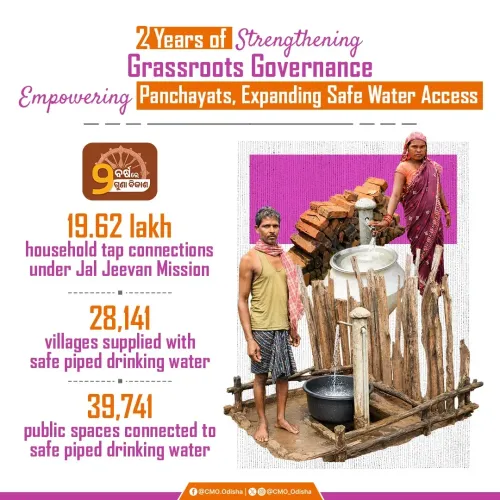
The announcement lands within a well-established national policy frame. The Jal Jeevan Mission, launched by the Centre in 2019, committed to delivering functional household tap connections to every rural home in India. Odisha, like several eastern states, has faced the 'source sustainability' challenge: pipes reach villages, but the aquifers and surface sources feeding those pipes can run dry in summer. In-stream storage directly addresses that gap — it is source augmentation, not just distribution infrastructure.
The BJP administration under Majhi, which came to power in June 2024, has consistently framed rural water security as a governance priority. This announcement extends that pattern into visible capital expenditure, giving the government a concrete deliverable to point to in the districts where the projects will land.
What farmers and villagers stand to gain
Beyond drinking water, the irrigation dimension carries significant economic weight. Reliable dry-season water access can convert single-crop households into double-crop ones — a livelihood shift that, multiplied across 74 villages, could meaningfully alter rural income floors. CM Majhi's post explicitly flagged 'new opportunities for rural livelihoods' alongside water security, signalling that the state sees the projects as productive-economy investments, not purely welfare spending.
The next critical marker will be project timelines. Five simultaneous in-stream storage constructions across five districts demand coordinated procurement, contractor capacity, and monsoon-window engineering — factors that historically determine whether Odisha's water projects deliver on schedule or slip into the familiar pattern of cost and time overruns.
Seventy-two thousand people are waiting. The blueprint is announced. Now comes the build.
Point of View
The Majhi government addresses the most visible failure point of the Jal Jeevan Mission in Odisha — pipes without reliable water. Framing it as a 'people's government' priority in Odia-language communication is deliberate outreach to the rural voter base the BJP consolidated in June 2024. The five-district spread signals an intent to distribute political returns geographically rather than concentrate visible projects in a single region. Whether the projects translate into on-the-ground delivery before the next electoral cycle will ultimately define their political and developmental legacy.
NationPress
16 Nov 2026
Frequently Asked Questions
What are the five in-stream storage projects announced by Odisha CM Majhi?
Odisha Chief Minister Mohan Charan Majhi announced five in-stream storage projects at a combined cost of ₹625.47 crore, spread across five districts, aimed at providing drinking water and irrigation to approximately 72,000 people in 74 villages.
What is an in-stream storage project?
An in-stream storage project stores water within a natural river or stream channel using structures built across the flow, improving groundwater recharge and providing irrigation reserves without requiring large dams or major displacement of communities.
How does this relate to the Jal Jeevan Mission in Odisha?
The Jal Jeevan Mission, launched in 2019, provides rural households with piped tap water connections. In-stream storage projects support the mission by ensuring the water sources feeding those pipes remain reliable, especially during dry months — a persistent challenge in Odisha.
How many people will benefit from Odisha's new water storage projects?
According to CM Majhi's announcement, approximately 72,000 residents across 74 villages in five Odisha districts will benefit from improved drinking water access and irrigation facilities.
When did Mohan Charan Majhi become Chief Minister of Odisha?
Mohan Charan Majhi of the BJP became Chief Minister of Odisha in June 2024, following the party's victory in the state assembly elections.