CM Majhi Hails Kavach Rollout on 631 km of East Coast Railway
Synopsis
Odisha Chief Minister Mohan Charan Majhi has welcomed the central government's approval of Kavach automatic train protection technology across 631 route kilometres of East Coast Railway, highlighting gains for passenger safety, accident prevention, and economic connectivity in Odisha under India's indigenous rail modernisation drive.
Key Takeaways
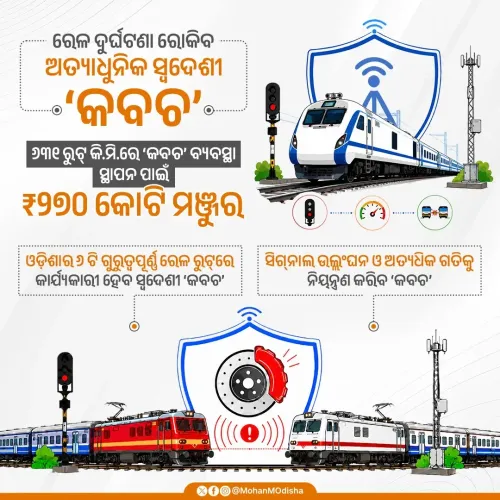
Kavach has been approved for deployment across 631 route kilometres of the East Coast Railway network.
CM Mohan Charan Majhi credited PM Narendra Modi and Railway Minister Ashwini Vaishnaw for the decision.
Kavach is an indigenously developed Automatic Train Protection system first trialled on South Central Railway from 2021 .
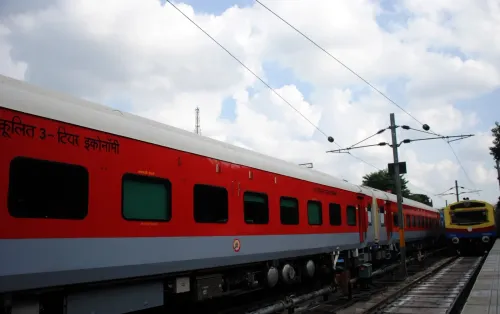
The East Coast Railway , headquartered in Bhubaneswar , serves key mineral, freight, and passenger corridors across Odisha .
The rollout supports India's target of equipping 2,000 route km annually under the Kavach programme.
The deployment aligns with the Atmanirbhar Bharat and Viksit Bharat goals of reducing import dependence in critical signalling technology.
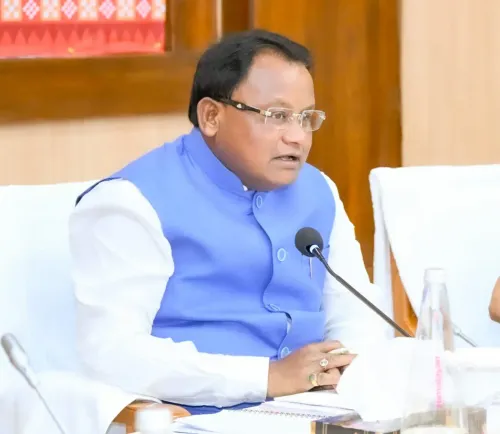
Odisha Chief Minister Mohan Charan Majhi on Tuesday, 23 June 2026, welcomed the central government's approval of Kavach deployment across 631 route kilometres of the East Coast Railway, calling it a major milestone for rail infrastructure in the state and the country.
Context
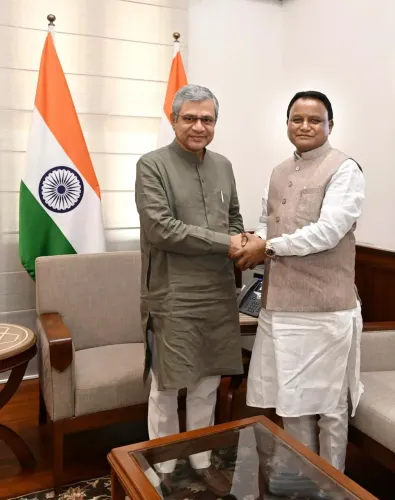
In his post, CM Majhi stated that the approval 'marks a major milestone for our rail infrastructure' and highlighted that Odisha, as a key part of the East Coast Railway network, stands to gain from 'enhanced passenger safety, reduced risk of accidents, improved train operations, and greater reliability of rail services.' He extended 'sincere gratitude' to Prime Minister Narendra Modi and Union Railway Minister Ashwini Vaishnaw for their commitment to rail safety and modernisation.
The East Coast Railway zone, headquartered in Bhubaneswar, covers the principal rail corridors running through Odisha, connecting ports, steel plants, and mining belts that are central to the state's economy. The Kavach approval for this zone is part of a broader national programme to equip high-density corridors with automatic train protection technology.
Policy Backdrop
Kavach is an indigenously developed Automatic Train Protection (ATP) system designed to prevent train collisions and incidents of signal-passing at danger. The system was approved as India's own ATP solution in 2019-20, with initial field trials conducted on the South Central Railway from 2021 onwards.
In 2022-23, Indian Railways announced an ambition to equip 2,000 route kilometres annually under the Kavach programme, framing it as a flagship initiative under the Atmanirbhar Bharat agenda. The indigenous development of Kavach reduces dependence on imported railway signalling technology, aligning with the Viksit Bharat goal of self-reliance in critical infrastructure.
CM Majhi noted in his post that 'this modern, indigenously developed technology will further strengthen connectivity, support economic growth, and contribute to building a safer and more efficient railway system for the people of Odisha.'
Stakeholders and Impact
Rail passengers travelling on East Coast Railway routes through Odisha are the most direct beneficiaries, with the system designed to significantly reduce the risk of accidents caused by human error or signal failures. Freight operators — particularly those moving minerals, steel, and coal across the state's heavy-traffic corridors — also stand to gain from improved operational reliability.
Odisha's mineral-rich geography makes its rail network one of the busiest freight arteries in eastern India. Kavach's rollout on these routes addresses both passenger safety concerns and the operational demands of high-volume freight movement between inland production centres and coastal ports.
What's Next
The approval of Kavach for 631 route kilometres of East Coast Railway is expected to trigger a phased installation and commissioning process across the identified corridors. Attention will now turn to the pace of on-ground deployment and whether subsequent phases will cover the remaining sections of the East Coast Railway network not yet included in the current approval.
State-central coordination on last-mile connectivity projects and the integration of Kavach with broader rail modernisation efforts in Odisha will be closely watched as the programme moves from approval to implementation.
Point of View
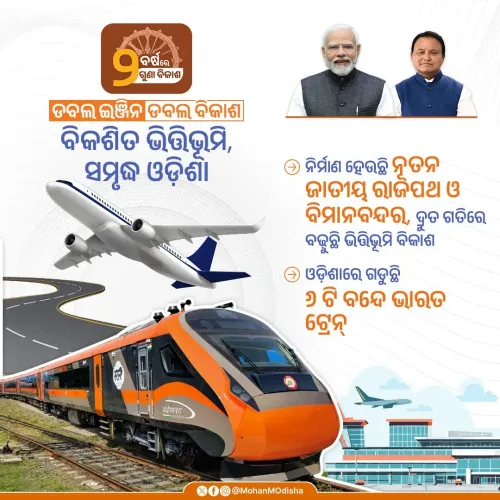
Reinforcing the 'Double Engine' governance narrative that frames state and central BJP governments as jointly delivering infrastructure dividends for Odisha. The 631-km approval on East Coast Railway is substantively significant — Odisha's mineral corridors are among the highest-traffic freight routes in the country, making safety upgrades here both operationally and economically consequential. The post also underscores the BJP's broader effort to position Kavach as a flagship Atmanirbhar success story ahead of any electoral cycle, especially after high-profile rail accidents in recent years heightened public scrutiny of train safety. The alignment of state-level messaging with central government announcements reflects a coordinated communications strategy rather than a spontaneous response.
NationPress
21 Sept 2026
Frequently Asked Questions
What is Kavach and how does it work on Indian Railways?
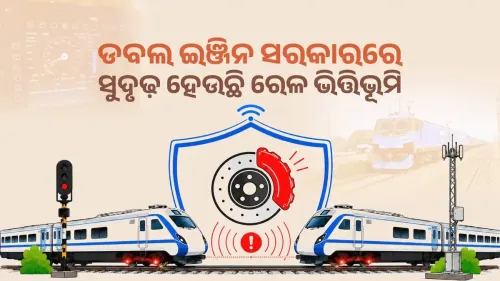
Kavach is an indigenously developed Automatic Train Protection system that prevents train collisions and signal-passing at danger by automatically applying brakes when a risk is detected. It was approved as India's own ATP solution in 2019-20 and has been progressively deployed on key railway zones.
Which East Coast Railway routes will get Kavach?
The central government has approved Kavach deployment across 631 route kilometres of the East Coast Railway network, which covers major corridors through Odisha. Specific route details are expected to emerge as the phased installation process begins.
How does Kavach benefit Odisha passengers and freight operators?
Kavach reduces the risk of accidents caused by human error or signal failures, directly improving passenger safety. For freight operators on Odisha's mineral and port corridors, it also means more reliable and uninterrupted train operations.
What is the national target for Kavach deployment on Indian Railways?
Indian Railways announced in 2022-23 a target of equipping 2,000 route kilometres annually under the Kavach programme as part of the Atmanirbhar Bharat initiative to modernise rail safety infrastructure using indigenous technology.
Why did Odisha CM Mohan Majhi welcome the Kavach approval?
CM Majhi stated that as a key part of the East Coast Railway network, Odisha will benefit from enhanced passenger safety, reduced accident risk, and improved rail reliability. He also thanked PM Modi and Railway Minister Vaishnaw for their commitment to rail modernisation.