CM Majhi Backs Operation Trident Anti-Drug Crackdown
Synopsis
Odisha Chief Minister Mohan Charan Majhi publicly backed Operation Trident on 25 October 2026, praising PM Modi and Home Minister Amit Shah for directing a coordinated crackdown on cross-border drug trafficking networks and reaffirming India's commitment to a drug-free nation.
Key Takeaways
Odisha CM Mohan Charan Majhi publicly endorsed Operation Trident on 25 October 2026 , describing it as a decisive strike against international drug cartels.
Majhi credited PM Narendra Modi and Home Minister Amit Shah for the 'strategic direction' behind the operation.
The operation targets cross-border narcotics networks , a persistent threat linked to the Golden Crescent and Golden Triangle supply routes.
India's counter-narcotics framework includes the Narcotics Control Bureau , state police coordination, and the tightened NDPS Act of 2014 .
Specific seizure figures and arrests from Operation Trident are yet to be officially confirmed in public records.
The statement reinforces the BJP state-Centre alignment on internal security and drug enforcement priorities.
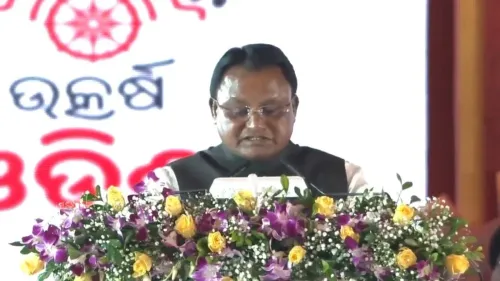
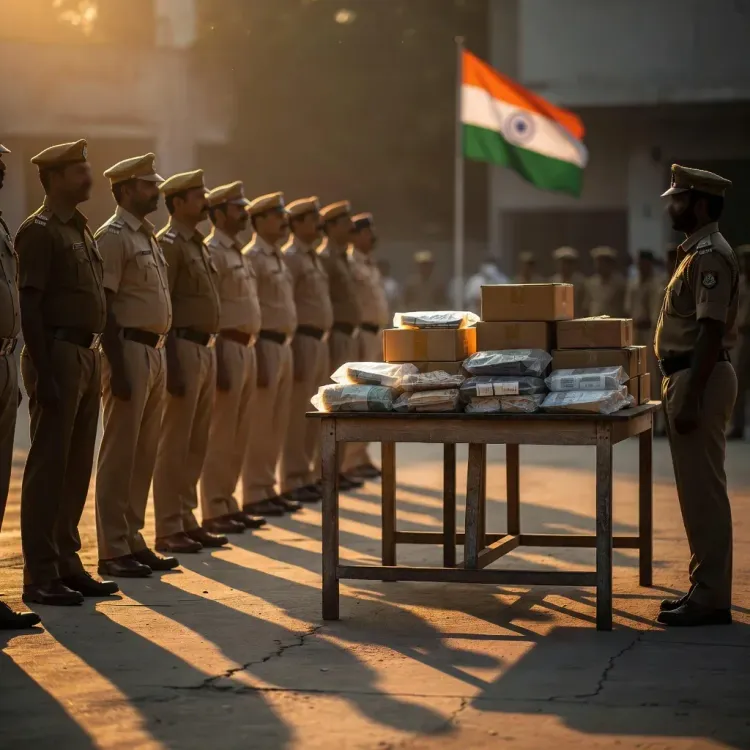
A coordinated strike against cross-border narcotics networks has drawn sharp political attention at the highest levels of India's federal structure. Odisha Chief Minister Mohan Charan Majhi on Sunday, 25 October 2026, publicly backed Operation Trident, calling it 'a decisive blow to international drug cartels' and a demonstration of India's resolve to protect its youth from organised drug trafficking.
What CM Majhi Said About Operation Trident
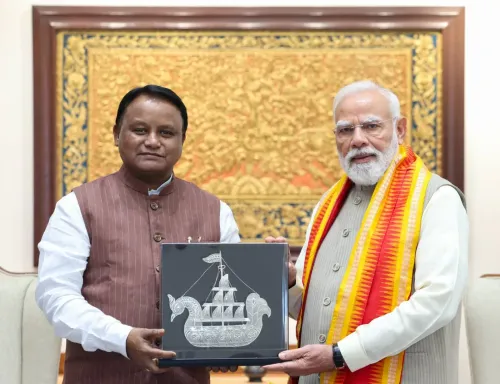
In his post, Majhi framed the operation as a direct product of central leadership — crediting Prime Minister Narendra Modi and Union Home Minister Amit Shah for providing the 'strategic direction' that made the crackdown possible. He emphasised that the operation 'sends a clear message that there will be no safe haven for drug traffickers,' signalling firm political will from both the state and the Centre.
The language was deliberate and pointed: 'India remains steadfast in its commitment to dismantling drug syndicates, safeguarding our youth and realising the vision of a drug-free nation.' No safe harbour. No equivocation.
Cross-Border Networks and India's Long Counter-Narcotics Battle
The reference to 'cross-border narcotics networks' places Operation Trident within a well-documented threat landscape. India sits geographically between two of the world's most prolific drug-producing regions — the Golden Crescent (Afghanistan, Iran, Pakistan) to the northwest and the Golden Triangle (Myanmar, Laos, Thailand) to the northeast. Both corridors have fed narcotics flows into Indian territory for decades, making multi-agency enforcement a structural necessity rather than an occasional response.
Successive governments have expanded the architecture for counter-narcotics coordination. The Narcotics Control Bureau now operates alongside state police forces under structured intelligence-sharing protocols — a model that operations of this kind are designed to stress-test in real conditions. The Narcotic Drugs and Psychotropic Substances Act, meaningfully tightened in 2014, introduced stricter provisions against syndicate-level trafficking that give enforcement agencies broader powers on seizure and prosecution.
Majhi's Political Alignment and What It Signals
Majhi, who leads the BJP government in Odisha, has consistently positioned the state as an active partner in central government security priorities since taking office. By publicly amplifying a central enforcement operation with direct tags to @narendramodi and @AmitShah, he reinforces the message that India's anti-drug push is a unified federal effort — not a Centre-versus-states affair.
Official figures on seizures, arrests, and the precise scope of Operation Trident are yet to be confirmed through public records. That data — when it emerges through parliamentary questions or formal agency releases — will be the real measure of the operation's reach. The political momentum, however, is already visible.
If the numbers match the rhetoric, Operation Trident will become a reference point in India's counter-narcotics playbook. If they don't, the pledges made today will face scrutiny from the same public they were meant to reassure.
Point of View
Amplifying the BJP's 'drug-free India' narrative ahead of any verified outcome data. The invocation of both Modi and Amit Shah by name ties Odisha's governance image tightly to the Centre's security brand, a pattern that has become a consistent feature of BJP-ruled states on law-and-order issues. Counter-narcotics operations that generate visible political backing before official figures are released carry a dual risk: if the numbers are impressive, the credit is shared; if the operation's scale proves modest, the amplification becomes a liability. The real test of Operation Trident's significance will come when parliamentary questions or official agency reports put hard numbers to the rhetoric.
NationPress
25 Oct 2026
Frequently Asked Questions
What is Operation Trident India drug operation?
Operation Trident is a counter-narcotics enforcement operation in India targeting cross-border drug trafficking networks. Odisha CM Mohan Charan Majhi described it as a decisive crackdown on international drug cartels, conducted under the direction of PM Narendra Modi and Home Minister Amit Shah, though specific seizure and arrest figures have not yet been officially confirmed in public records.
What did Odisha CM Mohan Charan Majhi say about drug trafficking?
On 25 October 2026, CM Majhi posted that Operation Trident delivers 'a decisive blow to international drug cartels' and reaffirmed that India is 'steadfast in its commitment to dismantling drug syndicates, safeguarding our youth and realising the vision of a drug-free nation.'
What is India's Narcotics Control Bureau and how does it work with states?
The Narcotics Control Bureau is a central agency under the Home Ministry responsible for coordinating drug-law enforcement across India. It works with state police forces through structured intelligence-sharing protocols to tackle cross-border and interstate narcotics networks.
What is the NDPS Act and when was it last amended?
The Narcotic Drugs and Psychotropic Substances Act governs drug-law enforcement in India. It was significantly amended in 2014 to introduce stricter provisions against syndicate-level drug trafficking, giving agencies broader powers on seizure and prosecution.
Which drug routes threaten India's borders?
India faces narcotics pressure from two major global supply corridors: the Golden Crescent (Afghanistan, Iran, Pakistan) to the northwest and the Golden Triangle (Myanmar, Laos, Thailand) to the northeast. Both routes have historically fed drug flows into Indian territory and are the primary focus of cross-border enforcement operations.