Sonowal Lands in Busan, Meets Indian Diaspora in Shipbuilding
Synopsis
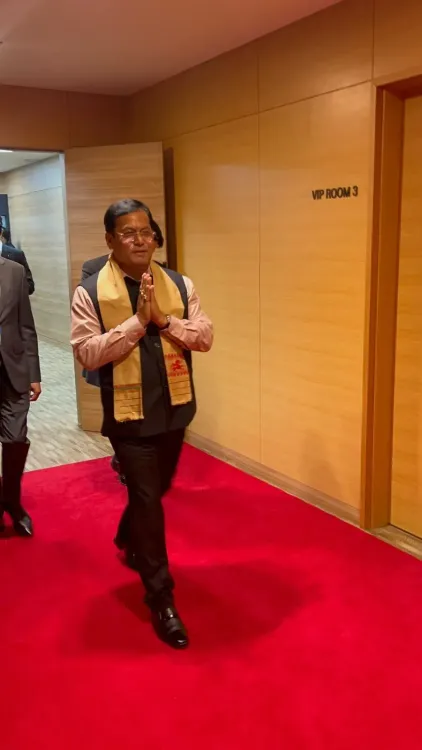
Union Ports Minister Sarbananda Sonowal has arrived in Busan, South Korea, and is engaging with the Indian diaspora in the shipbuilding sector — a move that signals India's intent to leverage overseas expertise for its domestic maritime manufacturing ambitions.
Key Takeaways
Sarbananda Sonowal landed in Busan, South Korea on 25 October 2026 , kicking off his visit with a diaspora engagement event.
The interaction focuses on Indian professionals working in South Korea's shipbuilding industry , framed as contributors to the global maritime ecosystem.
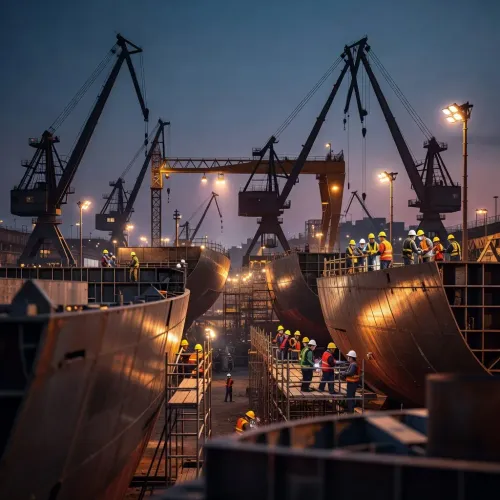
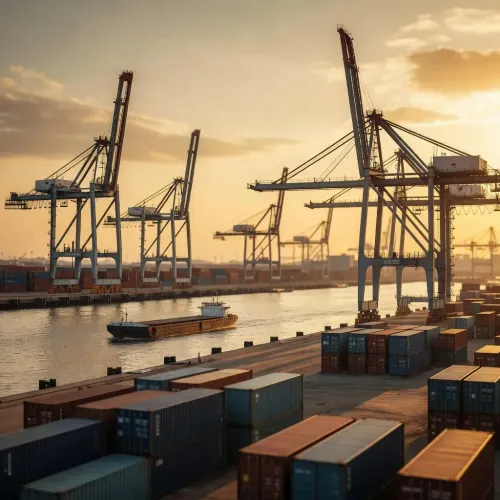
Busan is South Korea's largest port city and one of the world's foremost shipbuilding centres.
The visit aligns with India's Sagarmala project (launched 2015 ) and the broader push to expand domestic shipbuilding capacity and reduce import dependence.
India and South Korea signed a Comprehensive Economic Partnership Agreement in 2010 , providing an institutional foundation for maritime and manufacturing cooperation.
Follow-up meetings with Korean shipbuilding firms or officials — and any resulting investment or technology announcements — are the key developments to watch.
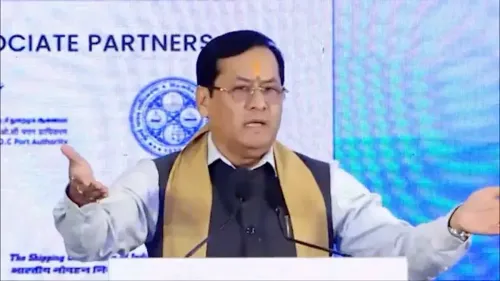
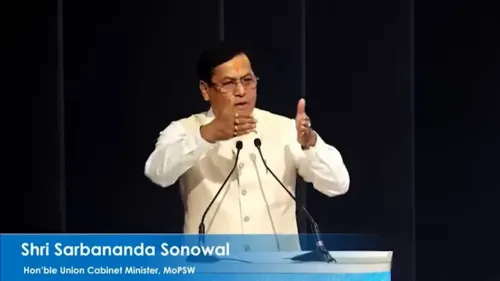
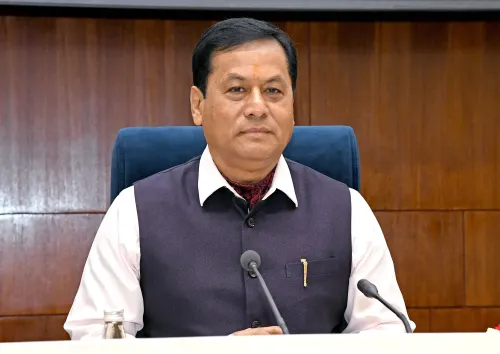
India's maritime push has arrived in one of the world's shipbuilding capitals. Union Minister of Ports, Shipping and Waterways Sarbananda Sonowal touched down in Busan, South Korea, on Sunday, 25 October 2026, opening his visit with a direct engagement with the Indian diaspora employed in the city's storied shipbuilding industry.
Why Busan — and Why This Diaspora Matters
Busan is no ordinary port city. South Korea's largest maritime hub is home to some of the world's most advanced shipyards, and the Indian professionals working within that ecosystem carry skills — in engineering, design, and operations — that India's own shipbuilding ambitions urgently need. Sonowal noted that their 'contributions to the global maritime ecosystem' make India 'immensely proud,' framing the diaspora not merely as a community to be celebrated but as a strategic asset to be engaged.
The interaction is part of a pattern that has defined recent Indian ministerial travel: targeted diaspora outreach in sectors where overseas expertise can feed directly back into domestic industrial policy. In shipbuilding, that logic is especially pointed — India currently imports a significant share of its commercial fleet, and reducing that dependence is a core goal of the Sagarmala project, launched in 2015 to modernise ports and expand domestic maritime manufacturing capacity.
India-Korea Maritime Ties and the CEPA Foundation
The backdrop to this visit is a relationship with real institutional depth. The India-South Korea Comprehensive Economic Partnership Agreement, signed in 2010, created a framework for expanded cooperation across manufacturing and trade — including maritime industries. South Korea's Republic of Korea is already a strategic economic partner, and the shipbuilding sector sits squarely at the intersection of both countries' industrial interests.
For India, deepening ties with Korean shipbuilders — whether through technology transfer, joint ventures, or investment — would directly accelerate the domestic capacity that Sagarmala and the broader Maritime India Vision are designed to build. The Indian diaspora working inside Korean yards are, in a sense, a living bridge between those two ambitions.
What Follows the Evening Interaction
The minister's post pointed to 'a wonderful interaction this evening,' coordinated in part through the Indian Embassy in the Republic of Korea. While specific agenda items for the broader visit have not been confirmed, the signal from Sonowal's first move on Korean soil is clear: people before paperwork, community before communiqué.
The real watch-point is what follows — meetings with Korean shipbuilding firms or government counterparts, and whether the visit produces concrete technology or investment announcements that India can bring home to its shipyards.
A minister landing in the world's shipbuilding heartland and walking straight into a room full of Indian engineers is a statement of intent. The question now is how many of those conversations turn into contracts.
Point of View
South Korea is not peripheral; Korean shipbuilding technology is precisely what domestic yards need to close the capability gap that Sagarmala was designed to address. The visit also carries political subtext — showcasing the BJP government's outreach to overseas Indians as stakeholders in national economic ambitions, not just a constituency. The real verdict on this trip will be written in the investment and technology agreements, if any, that follow.
NationPress
25 Oct 2026
Frequently Asked Questions
Why did Sarbananda Sonowal visit Busan, South Korea?
Sonowal travelled to Busan as part of a bilateral visit focused on maritime and shipbuilding cooperation. His first engagement was with the Indian diaspora working in South Korea's shipbuilding sector, reflecting India's interest in leveraging their expertise for domestic maritime manufacturing.
What is the significance of Busan for India's shipbuilding plans?
Busan is South Korea's largest port city and a global hub for shipbuilding technology. India's Sagarmala project aims to build domestic shipbuilding capacity, and deepening ties with Korean industry — through technology transfer or investment — is central to that goal.
What is India's Sagarmala project and how does it connect to this visit?
Sagarmala, launched in 2015, is India's flagship programme to modernise ports and expand maritime manufacturing capacity, reducing dependence on imported vessels. Sonowal's engagement in Busan fits directly within that agenda by building relationships with one of the world's leading shipbuilding nations.
What is the India-South Korea CEPA?
The Comprehensive Economic Partnership Agreement between India and South Korea, signed in 2010, established a framework for expanded bilateral trade and investment across sectors including manufacturing and maritime industries, providing the institutional foundation for cooperation like Sonowal's current visit.
What should we watch for after Sonowal's Busan visit?
The key developments to track are any follow-up meetings with South Korean shipbuilding firms or government counterparts, and whether the visit results in concrete technology-transfer agreements, investment commitments, or formal cooperation frameworks in the maritime sector.