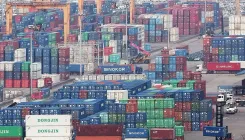
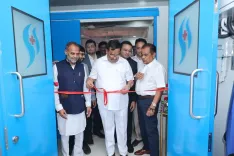
Sonowal Lands in South Korea to Deepen Shipbuilding Ties
Synopsis
Union Minister Sarbananda Sonowal has arrived in South Korea to attend ministerial dialogues and meet industry leaders, aiming to deepen India-South Korea cooperation in shipping and shipbuilding under the broader Act East and Sagarmala policy frameworks.
Key Takeaways
Sarbananda Sonowal began a multi-day visit to the Republic of Korea on 25 October 2026 to strengthen bilateral maritime ties.
Agenda includes ministerial dialogues , meetings with Korean industry leaders, and engagement with the Indian diaspora in Korea's maritime ecosystem.
South Korea is among the world's top shipbuilding nations, making it a priority partner for India's goal of reducing fleet import dependence.
The visit builds on the India-South Korea CEPA (2009) and longstanding bilateral maritime dialogue mechanisms active since the mid-2000s.
The trip aligns with India's Sagarmala project (2015) and the broader Act East policy of deepening ties with East Asian technology economies.
Potential MoUs or technology-transfer announcements from the ministerial meetings will be closely watched as markers of tangible outcomes.
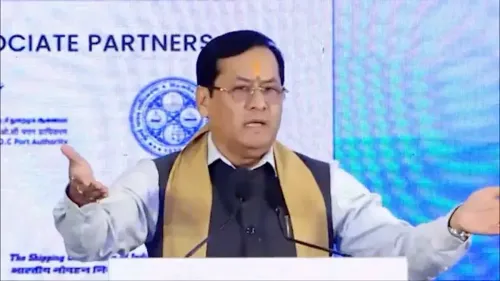
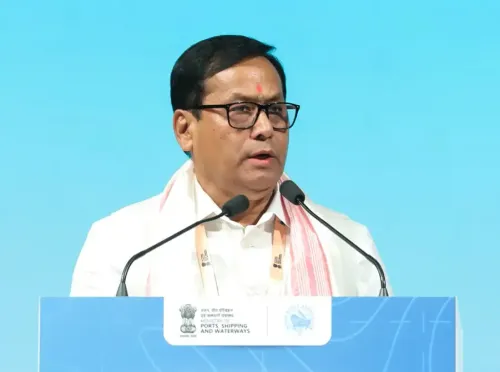
India's shipping ambitions just crossed the Pacific. Union Minister of Ports, Shipping and Waterways Sarbananda Sonowal departed for the Republic of Korea on Sunday, 25 October 2026, kicking off a multi-day engagement designed to turbocharge bilateral cooperation in shipping and shipbuilding — two sectors where South Korea sits at the very top of the global league table.
Ministerial Dialogues and an Industry Push
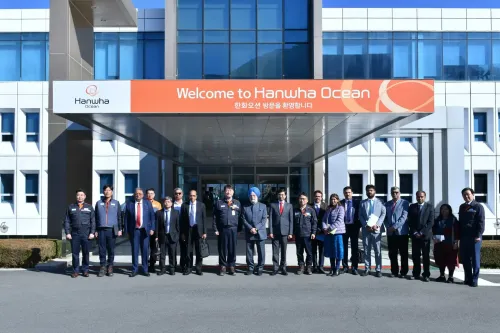
Sonowal outlined a packed itinerary: ministerial-level dialogues, direct meetings with Korean industry leaders, and an outreach session with the Indian diaspora embedded in South Korea's maritime ecosystem. The stated objective is to 'boost cooperation in the shipping and shipbuilding sectors' — language that signals not just diplomatic goodwill but a concrete hunt for technology partnerships and investment flows.
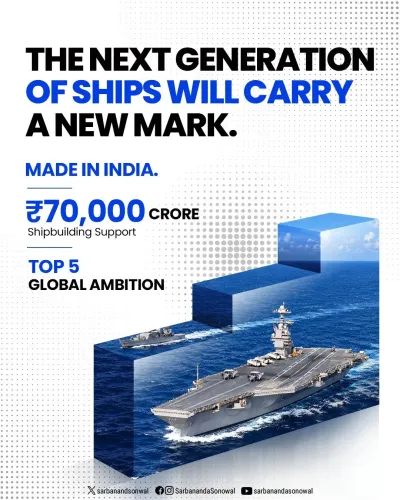
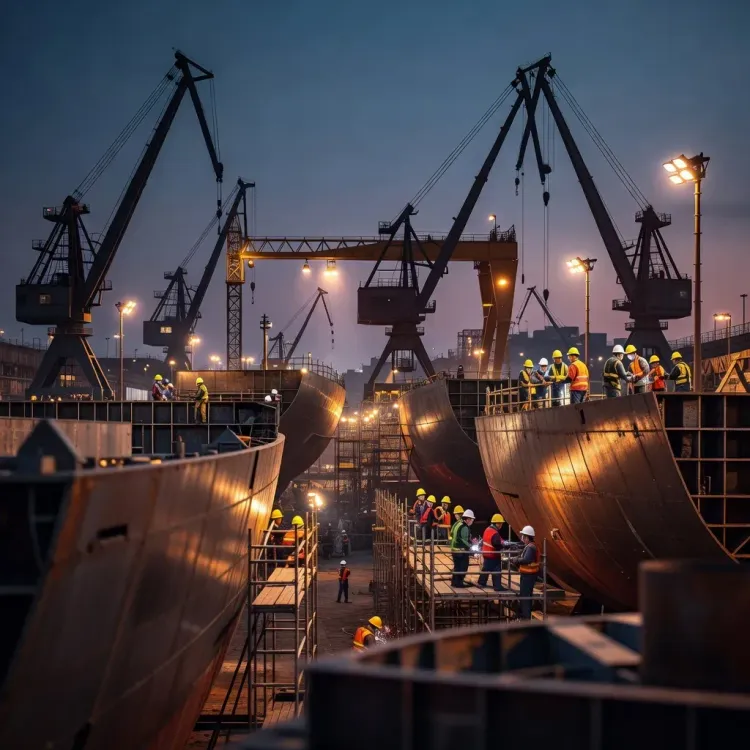
South Korea is home to three of the world's five largest shipbuilders and commands decades of expertise in LNG carriers, container vessels, and smart-port technology. For India — a country that still imports a significant share of its commercial fleet — access to that knowledge base is a strategic prize.
The Policy Architecture Behind the Visit
This trip does not arrive in a vacuum. India and South Korea have maintained a bilateral maritime dialogue since the mid-2000s, and the Comprehensive Economic Partnership Agreement (CEPA) signed in 2009 already provides a legal scaffolding covering trade, services, and investment — including the maritime domain.
Domestically, India's Sagarmala project, launched in 2015, set out an ambitious agenda to modernise ports, expand coastal shipping, and invite international technology partnerships. South Korea has featured in that conversation alongside Japan and Singapore — but a dedicated ministerial visit of this profile signals a push to move from dialogue to deliverables.
Act East, Anchor Deep
The visit slots neatly into India's broader Act East policy, which prioritises economic and technological integration with high-value East Asian economies. Shipbuilding is exactly the kind of sector that fits the template: capital-intensive, technology-rich, and critical to India's aspiration of reducing import dependence in strategic industries.
Eyes will now be on whether the ministerial talks yield any Memoranda of Understanding or technology-transfer frameworks — the kind of concrete outcomes that transform a ministerial visit into a policy milestone. Any follow-up references in Parliament's budget session or in Sagarmala project updates will signal how deep the Korean thread runs in India's maritime ambitions.
Sonowal boards this trip with momentum on his side. The question South Korea's shipyards and India's planners will answer together over the coming days: how much of that momentum converts into steel in the water.
Point of View
The acquisition of South Korean shipbuilding technology and capital. The timing is telling: India's domestic shipbuilding sector has long been a weak link in an otherwise assertive blue-economy agenda, and a ministerial push backed by CEPA infrastructure suggests New Delhi is serious about closing that gap. Within the Act East framework, South Korea has often played second fiddle to Japan in strategic conversations; a dedicated ports-and-shipping engagement could recalibrate that hierarchy. The real test, as always, is whether dialogue-table warmth converts into signed MoUs and, ultimately, shipyard orders.
NationPress
25 Oct 2026
Frequently Asked Questions
Why is Sarbananda Sonowal visiting South Korea?
Sonowal is visiting South Korea to attend ministerial dialogues and meet industry leaders with the aim of boosting bilateral cooperation in the shipping and shipbuilding sectors, and to engage with the Indian diaspora in Korea's maritime ecosystem.
What is India's interest in South Korean shipbuilding?
South Korea is among the world's leading shipbuilding nations. India seeks technology partnerships and know-how to develop its own shipbuilding industry and reduce dependence on imported commercial vessels.
What is the India-South Korea CEPA and how does it relate to this visit?
The Comprehensive Economic Partnership Agreement, signed in 2009 , covers trade in goods, services, and investment including the maritime sector, providing the legal and institutional framework within which bilateral maritime dialogues operate.
How does this visit connect to the Sagarmala project?
Sagarmala, launched in 2015 , is India's flagship port-modernisation and coastal-shipping programme that explicitly envisages international technology partnerships. South Korea has been identified as a potential partner within that programme's ambit.
What outcomes should we watch for from Sonowal's South Korea trip?
Key things to watch include any Memoranda of Understanding or technology-transfer agreements signed during the ministerial meetings, and subsequent references to Korean participation in Indian shipbuilding or Sagarmala-linked projects in Parliament or budget documents.