CM Majhi Ensures Special Facilities for Habishyali Mothers at Puri
Synopsis
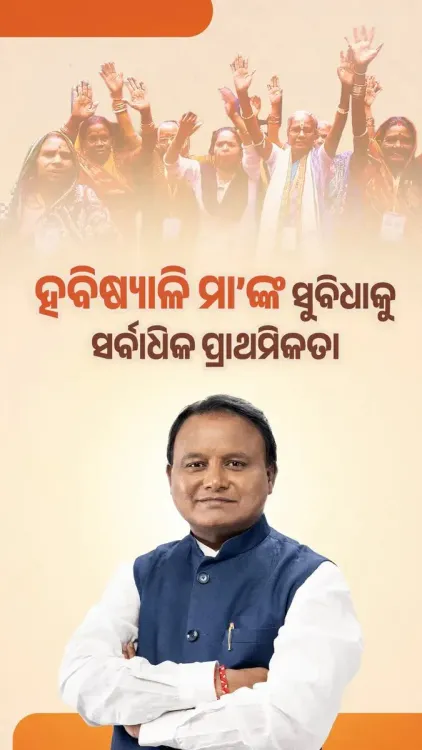
Odisha CM Mohan Charan Majhi says the state is ensuring special accommodation, Mahaprabhu darshan, and Mahaprasad access for Habishyali mothers at Puri during Kartik, framing pilgrim welfare as a core governance priority of his BJP government.
Key Takeaways
CM Mohan Charan Majhi announced dedicated facilities for Habishyali mothers at Puri (Shri Kshetra) on November 18, 2026 .
Arrangements cover comfortable accommodation , guaranteed darshan of Lord Jagannath, and access to Mahaprasad .
Habishyali is a month-long austere vow observed by Odia Hindu women during the sacred month of Kartik .
The move aligns with the Odisha BJP government's broader emphasis on pilgrim welfare and Jagannath Temple infrastructure since June 2024.
Implementation is expected to be coordinated through the Shree Jagannath Temple Administration (SJTA) and state pilgrim-facility agencies.
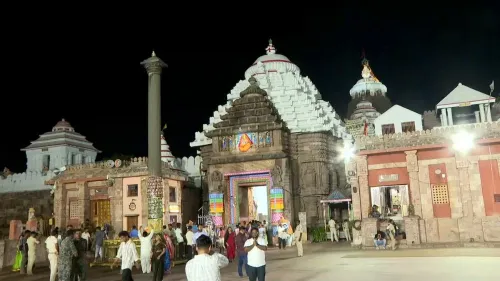
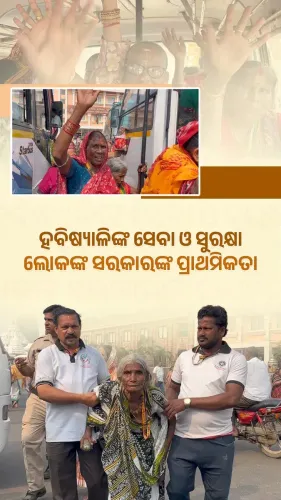
At the peak of the Kartik Habishyali season, Odisha Chief Minister Mohan Charan Majhi announced on Wednesday, November 18, 2026 that the state government is prioritising comfort, safety, and spiritual fulfilment for Habishyali mothers undertaking their sacred month-long observance at Puri.
Posting in both Odia and English on X, CM Majhi wrote: 'Special care and dedicated facilities are being ensured for Habishyali mothers in Puri. From comfortable accommodation to Mahaprabhu's darshan and Mahaprasad, every arrangement is in place to make their spiritual stay comfortable and fulfilling.'
Who Are Habishyali Mothers — and Why Puri Is Central
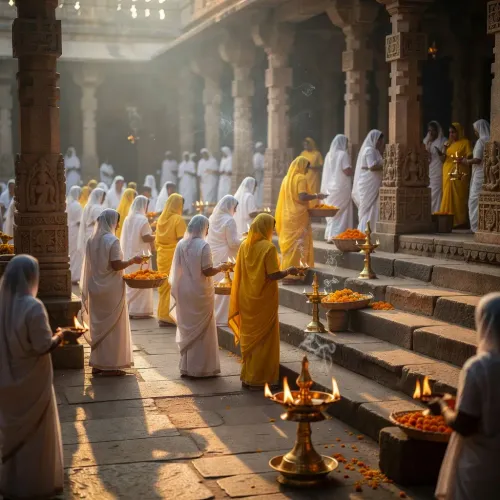
Habishyali is a centuries-old Odia Hindu tradition in which women — typically elderly — observe a month-long austere vow during Kartik, the holiest month in the Jagannath calendar. The observance involves strict dietary rules, daily prayer, and, for the most devout, a pilgrimage to Shri Kshetra (Puri) to seek the blessings of Lord Jagannath at the ancient Jagannath Temple. The temple's Mahaprasad — cooked in the world's largest temple kitchen — holds particular sanctity; receiving it is considered a spiritual consummation of the vow.
Thousands of women converge on Puri during this period, many of them elderly and travelling without family support, making adequate accommodation, security, and temple access a genuine logistical and welfare challenge for the administration.
What the State Is Putting in Place
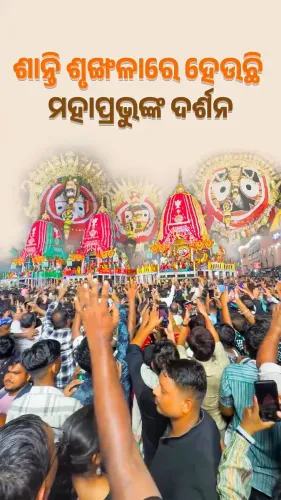
The Chief Minister's post flags three specific areas of focus: comfortable accommodation, guaranteed darshan of Mahaprabhu, and access to Mahaprasad. The arrangements are being coordinated through the Shree Jagannath Temple Administration (SJTA) and state agencies responsible for pilgrim facilities in Puri.
Since taking office in June 2024 as Odisha's first BJP Chief Minister, Majhi has repeatedly positioned pilgrim welfare and temple town infrastructure as signature governance priorities — framing them as the state's fulfilment of a cultural and spiritual duty to its people.
The Bigger Signal: Jagannath as a Governance Lens
The announcement fits a deliberate pattern. The BJP government in Bhubaneswar has consistently highlighted its stewardship of Jagannath Temple affairs — from the high-profile ratna bhandar (treasury) reopening to accelerated corridor development around the temple — as evidence that it governs differently from its predecessor. Welfare for Habishyali pilgrims, a constituency that is overwhelmingly female, rural, and elderly, extends that message directly into grassroots Odia religiosity.
It is a sharp political as well as pastoral gesture: care for the most traditionally observant women of Odisha, delivered at the holiest site in the state, during the most sacred month in its religious calendar.
How well the announced facilities actually reach pilgrims on the ground — and whether the SJTA scales them consistently through the remainder of Kartik — will be the real test of intent.
Point of View
Rural, devout women during Kartik, the government converts welfare delivery into a culturally resonant political statement. The Jagannath temple complex has consistently served as the BJP's most potent symbolic arena in Odisha, and extending that frame to grassroots pilgrims deepens its reach beyond urban or elite constituencies. The durability of the message will depend on whether the on-ground facilities match the promise.
NationPress
18 Nov 2026
Frequently Asked Questions
What is Habishyali and why do women observe it in Puri?
Habishyali is a month-long austere Hindu vow observed by Odia women during the sacred month of Kartik. Devotees follow strict dietary rules, daily prayer, and many travel to Puri (Shri Kshetra) to seek the blessings of Lord Jagannath and receive Mahaprasad, which is considered the spiritual fulfilment of the vow.
What facilities has the Odisha government announced for Habishyali mothers at Puri?
CM Mohan Charan Majhi announced comfortable accommodation, facilitated darshan of Lord Jagannath at the Jagannath Temple, and access to Mahaprasad for Habishyali mothers observing their vows in Puri during the Kartik season.
Who oversees pilgrim facilities at the Jagannath Temple in Puri?
The Shree Jagannath Temple Administration (SJTA), a state government body, oversees temple affairs and pilgrim facilities at the Jagannath Temple in Puri, working alongside other state agencies responsible for accommodation and logistics in the pilgrim town.
When did Mohan Charan Majhi become Chief Minister of Odisha?
Mohan Charan Majhi took office as Chief Minister of Odisha in June 2024, becoming the state's first BJP Chief Minister after the party won the state assembly elections.
What is Mahaprasad at the Jagannath Temple?
Mahaprasad is the sacred food cooked in the Jagannath Temple's kitchen — considered one of the world's largest temple kitchens — and offered to Lord Jagannath. Receiving and consuming Mahaprasad is a spiritually significant act for pilgrims, particularly those observing vows like Habishyali.