CM Majhi Ensures Full Facilities for Habishyali Women at Puri
Synopsis
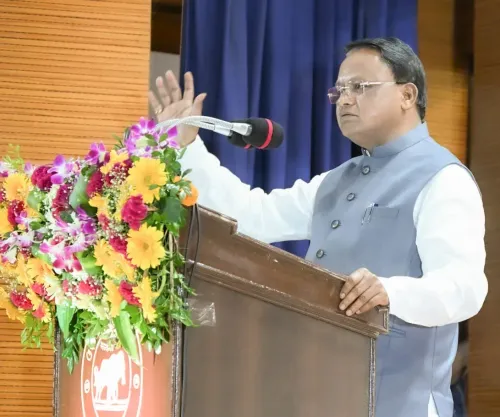
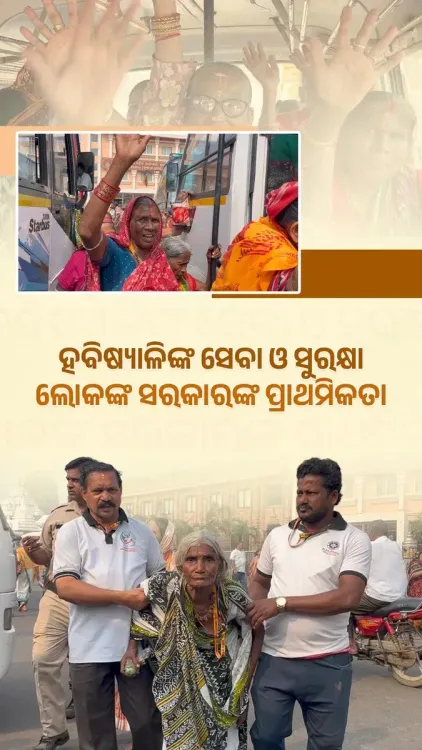
Odisha Chief Minister Mohan Charan Majhi announced on November 11, 2026 that his government is prioritising the welfare of Habishyali women pilgrims at Puri, ensuring accommodation, Mahaprabhu darshan access, and Mahaprasad at Srikshetra.
Key Takeaways
Odisha CM Mohan Charan Majhi posted on November 11, 2026 reaffirming government priority for Habishyali women pilgrims at Puri .
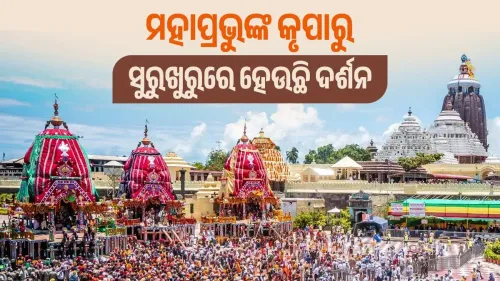
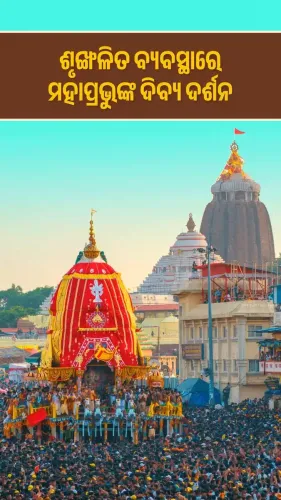
Arrangements cover comfortable accommodation , access to Mahaprabhu's darshan , and Mahaprasad at the Jagannath Temple.
Habishyali is a traditional month-long Kartik vow observed largely by women who travel to Srikshetra Puri for daily temple visits.
The Jagannath Temple is governed under the Shri Jagannath Temple Act and is a central point for state pilgrim-welfare coordination.
The BJP administration that took office after Odisha's 2024 elections has consistently highlighted religious-site infrastructure as a governance focus.
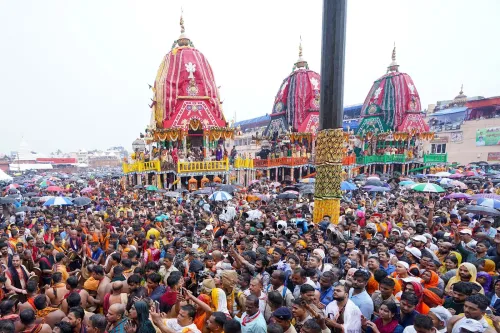
At the sacred shores of Puri, thousands of Habishyali women — devout observers who undertake a month-long austere vow each year during the Hindu lunar month of Kartik — are receiving state-backed support to complete their pilgrimage in comfort and dignity. Odisha Chief Minister Mohan Charan Majhi reaffirmed on Wednesday, November 11, 2026, that his government is prioritising every aspect of these devotees' experience at Srikshetra Puri.
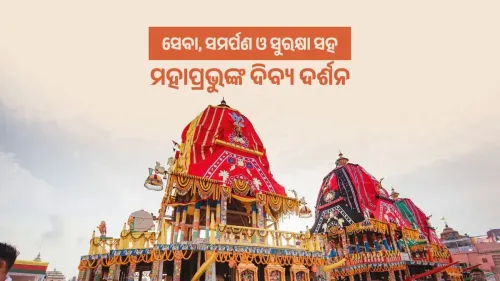
Posting in both Odia and English, CM Majhi stated: 'ଲୋକଙ୍କ ସରକାରରେ ହବିଷ୍ୟାଳି ମା'ମାନଙ୍କ ସେବା ଓ ସୁବିଧାକୁ ଦିଆଯାଉଛି ସର୍ବାଧିକ ଗୁରୁତ୍ୱ' ('In the people's government, the service and welfare of Habishyali mothers is being given the highest priority'). He added that arrangements span everything from accommodation to Mahaprabhu's darshan and Mahaprasad — the sacred meal distributed at the Jagannath Temple.
Who Are the Habishyali, and Why Does the State Step In?
Habishyali is an ancient Odia tradition observed primarily by women, who travel to Puri during the Kartik month to stay near the Jagannath Temple, eat a single daily meal of habishya (ritually pure food), and attend daily darshan. The observance draws large numbers of elderly and middle-aged women, many travelling alone or in small groups from across the state.
Their needs — affordable lodging close to the temple, safe access to darshan queues, and access to Mahaprasad — have historically required coordinated state and temple administration support. The Jagannath Temple, governed under the Shri Jagannath Temple Act, is a focal point for such pilgrim-welfare measures.
BJP Administration's Continued Push on Religious-Site Infrastructure
Since assuming office after Odisha's 2024 state elections, CM Majhi's government has consistently emphasised religious-site infrastructure and devotee services as a governance priority. Pilgrim facilitation at Puri is not new — successive state governments have periodically announced accommodation and darshan arrangements for specific devotee categories — but the current administration has framed such steps prominently within its public outreach.
The post's bilingual format, addressing devotees directly in Odia before switching to English, signals an intent to reach both the core pilgrim community and a broader audience tracking state governance. The phrase 'people's government' (ଲୋକଙ୍କ ସରକାର) is a recurring rhetorical anchor for the Majhi administration.
How smoothly those facilities actually function during the peak Habishyali period — and whether the temple administration's on-ground logistics match the government's assurances — will be the real measure of this commitment.
Point of View
But foregrounding it communicates cultural alignment with the state's majority Hindu electorate. The bilingual post — Odia first, English second — suggests the message is calibrated for both grassroots devotees and a wider policy-tracking audience. The real test, as always, lies in whether on-ground logistics during the peak Kartik observance period match the assurances made from the chief minister's desk.
NationPress
11 Nov 2026
Frequently Asked Questions
What is Habishyali in Odisha?
Habishyali is a traditional Hindu observance followed mainly by women in Odisha during the Kartik lunar month, in which devotees travel to Puri, eat ritually pure food once a day, and attend daily darshan at the Jagannath Temple.
What facilities is the Odisha government providing for Habishyali pilgrims at Puri?
According to CM Mohan Charan Majhi, the government is ensuring comfortable accommodation, access to Mahaprabhu's darshan at the Jagannath Temple, and Mahaprasad for Habishyali women pilgrims at Srikshetra Puri.
Who manages the Jagannath Temple in Puri?
The Jagannath Temple in Puri is governed under the Shri Jagannath Temple Act, with the Odisha state government playing a key administrative and welfare coordination role.
What is Mahaprasad at the Jagannath Temple?
Mahaprasad is the sacred cooked food offered to Lord Jagannath at the Puri temple and subsequently distributed to devotees; it holds deep religious significance in Odia Hindu tradition.
When did Mohan Charan Majhi become Chief Minister of Odisha?
Mohan Charan Majhi became Chief Minister of Odisha in 2024 following the BJP's victory in the state assembly elections.