CM Majhi ensures safe stay, darshan for Kartik Brata devotees
Synopsis
Odisha Chief Minister Mohan Charan Majhi announced on 4 November 2026 that the state is prioritising safe stay, Mahaprabhu darshan and Mahaprasad access for Habishyali women observing the sacred month-long Kartik Brata vow, framing pilgrim welfare as a core government commitment.
Key Takeaways
Odisha CM Mohan Charan Majhi posted on 4 November 2026 about state arrangements for Kartik Brata observers.
The government is prioritising safe accommodation , darshan of Mahaprabhu Jagannath, and access to Mahaprasad for Habishyali women.
Kartik Brata is a rigorous month-long vow observed primarily by women, centred on fasting and daily temple visits.
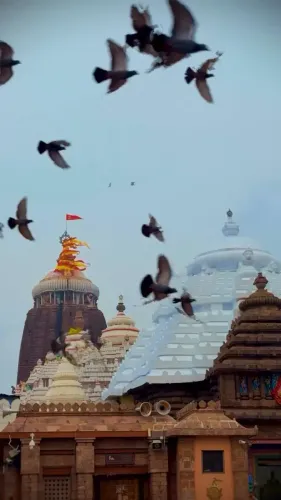
The Jagannath Temple in Puri is the focal point for Kartik observances in Odisha.
The BJP government , since its 2024 election victory, has flagged pilgrim facilities and temple administration reform as policy priorities.
State support for Kartik pilgrims is a long-standing practice in Odisha, now reinforced with explicit CM-level communication.
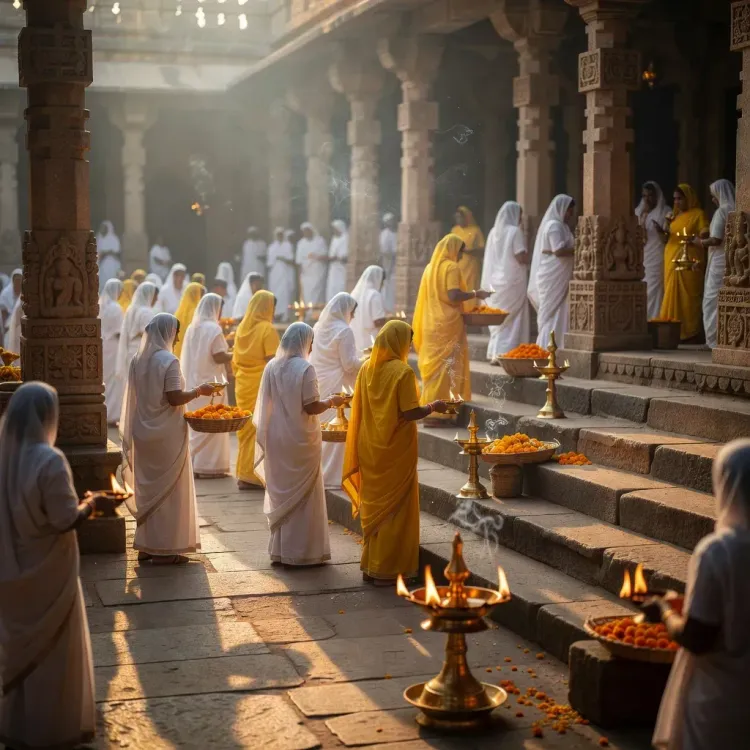
Every year, as the sacred month of Kartik arrives on the Odia calendar, thousands of women across Odisha take on the demanding Habishyali vow — fasting, bathing at dawn, and making daily pilgrimages to seek the blessings of Lord Jagannath. This year, Odisha Chief Minister Mohan Charan Majhi has signalled that the state government is making those journeys safer and more dignified, announcing on Wednesday, 4 November 2026 that full arrangements — from secure accommodation to Mahaprasad access — are in place for Habishyali women observing Kartik Brata.
What Kartik Brata demands of its observers
Kartik Brata is among the most rigorous month-long religious observances in Odisha's devotional calendar. Women who take the Habishyali vow follow a strict regimen: a single daily meal of habishya (simple, sattvic food), predawn river or tank baths, and daily visits to the temple. For many, the ultimate aspiration is a direct darshan of Mahaprabhu Jagannath at the Jagannath Temple in Puri — one of the holiest sites in Hinduism — and the consumption of Mahaprasad, the sacred food offered to the deity. The scale of participation means large numbers of elderly and middle-aged women converge on Puri and local temples across the state, making logistics and safety a genuine administrative concern.
The state's promise: shelter, darshan, and Mahaprasad
Posting in both Odia and English, CM Majhi stated that his government 'respects the faith and devotion of devotees,' and that safe accommodation, access to Mahaprabhu's darshan, Mahaprasad distribution, and overall comfort during the vow-observance are being treated as priorities. In Odia he wrote: 'ଶ୍ରଦ୍ଧାଳୁଙ୍କ ଆସ୍ଥା ଓ ଭାବନାକୁ ଗୁରୁତ୍ୱ ଦେଇ' — 'giving importance to the faith and sentiments of devotees.' The post does not specify new construction or fresh spending figures, but frames pilgrim welfare as an active, ongoing priority under the current administration.
BJP's temple-administration agenda in Odisha
When Mohan Charan Majhi led the BJP to power in Odisha's 2024 state elections, ending Naveen Patnaik's two-decade rule, the party had explicitly campaigned on improving facilities at major shrines, including reforming the administration of the Jagannath Temple. Supporting pilgrim amenities during Kartik — a practice Odisha governments have followed for years — now carries additional political weight as the BJP seeks to demonstrate that its temple-centric promises translate into ground-level care. For Habishyali women, often elderly, travelling alone or in small groups, the difference between state support and neglect can be visceral: a safe dharamshala, a managed queue for darshan, a dignified seat for Mahaprasad.
How well those arrangements hold through the rest of the month — and whether temple authorities and district administrations meet the stated standard — will determine whether the CM's pledge is remembered as delivery or declaration.
Point of View
A constituency often overlooked in hard-infrastructure announcements, the CM humanises the party's temple agenda. The bilingual post — Odia first, English second — also suggests the message is calibrated for both a local devotional audience and a broader national gallery watching the BJP's governance of Odisha. Delivery on ground logistics through the rest of Kartik will be the real audit.
NationPress
4 Nov 2026
Frequently Asked Questions
What is Kartik Brata and who observes it in Odisha?
Kartik Brata is a month-long religious vow observed primarily by women in Odisha during the sacred month of Kartik. Known as Habishyalis , these women fast on a single daily meal, bathe at dawn, and visit temples — especially the Jagannath Temple in Puri — every day throughout the month.
What arrangements has the Odisha government made for Habishyali women in 2026?
Chief Minister Mohan Charan Majhi announced on 4 November 2026 that the state is ensuring safe accommodation, access to Mahaprabhu Jagannath's darshan, Mahaprasad distribution, and overall comfort for Habishyali women observing Kartik Brata.
What is Mahaprasad and why is it significant during Kartik?
Mahaprasad is the sacred food offered to Lord Jagannath at the Puri temple and then distributed to devotees. Consuming Mahaprasad is considered especially spiritually meritorious during Kartik, making access to it a central part of the Habishyali observance.
What is the BJP government's stance on temple welfare in Odisha?
Since coming to power after the 2024 Odisha elections, the BJP government under CM Mohan Charan Majhi has stated that improving devotee facilities and reforming the administration of major temples, including the Jagannath Temple in Puri, are priority commitments.
Where is the Jagannath Temple and why is it central to Kartik observances?
The Jagannath Temple is located in Puri, Odisha, and is one of the holiest Hindu shrines in India. It is the principal destination for Habishyali women during Kartik, where daily darshan of Lord Jagannath and consumption of Mahaprasad fulfil the spiritual goals of the vow.