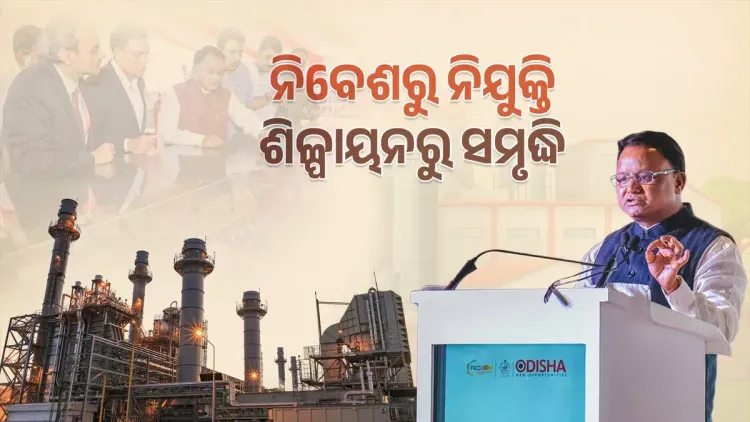
CM Majhi Pitches Odisha as India's Industrial Capital
Synopsis
Odisha Chief Minister Mohan Charan Majhi declared on 29 May 2026 that Odisha is poised to become India's undisputed industrial capital, citing the state's mineral wealth, infrastructure, and policy resolve as it asserts itself on the global economic map.
Key Takeaways
CM Mohan Charan Majhi posted on 29 May 2026 that Odisha is rising on the world economic map with industrial pride.
He described the beginning of a 'new era of industrial progress' aimed at making Odisha the country's undisputed 'industrial capital'.
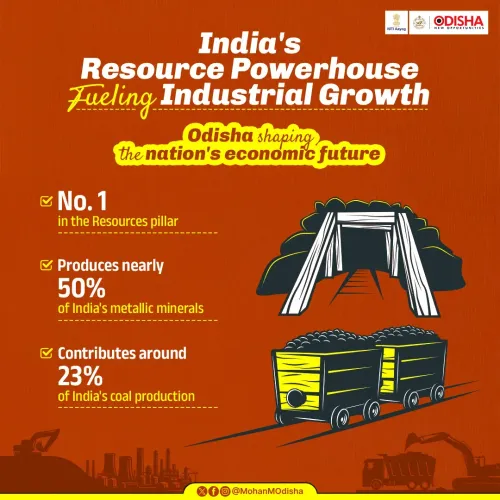
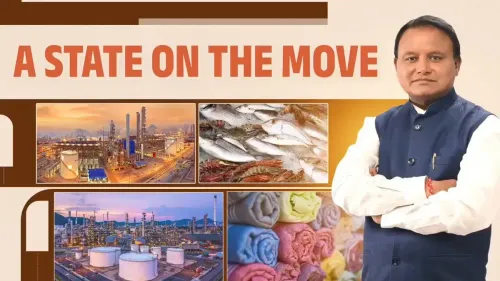
Odisha holds major reserves of iron ore, bauxite, and coal, underpinning its appeal to steel, aluminium, and refining investors.
The state's industrial outreach model, including the Make in Odisha Conclave (first held 2016), has been continued by the BJP government since June 2024 .
Odisha competes with Jharkhand and Chhattisgarh for large industrial investments, backed by upgraded port and power infrastructure.
The government's hashtag campaign — #ShilpaSamruddhaOdisha , #InvestInOdisha — signals a coordinated investor-branding push.
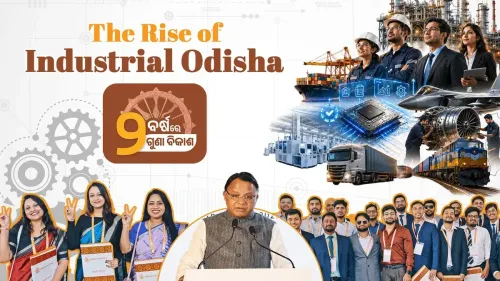
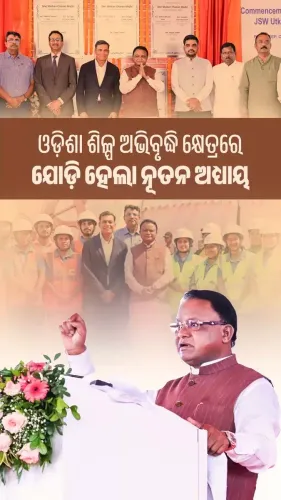
Odisha Chief Minister Mohan Charan Majhi on Friday, 29 May 2026, declared that his state is asserting itself on the global economic map, describing the launch of a new era of industrial progress that he says will establish Odisha as the undisputed 'industrial capital' of the country.
Posting in Odia on X, CM Majhi wrote: 'ବ୍ୟାପକ ଶିଳ୍ପାୟନର ସୁଦୃଢ଼ ଭିତ୍ତିଭୂମି ଏବଂ ଅଭିବୃଦ୍ଧିର ଅଦମ୍ୟ ସଂକଳ୍ପ ସହ ବିଶ୍ୱ ଅର୍ଥନୈତିକ ମାନଚିତ୍ରରେ ସ୍ୱାଭିମାନର ସହ ଉଭା ହେଉଛି ଆମ ଓଡ଼ିଶା।' ('With the strong foundation of extensive industrialisation and an indomitable resolve for growth, our Odisha is rising with pride on the world economic map.') He added that the dream of a developed and prosperous Odisha through industrial development is 'taking shape today'.
Context
Odisha is one of India's most mineral-rich states, holding significant reserves of iron ore, bauxite, and coal. These resources have historically made it a preferred destination for integrated steel, aluminium, and refining projects. CM Majhi, who took office in June 2024 after the BJP's victory in state assembly elections, has continued and intensified the state's industrial outreach strategy.
The post was accompanied by hashtags including #ShilpaSamruddhaOdisha (Industry-Prosperous Odisha) and #InvestInOdisha, signalling a deliberate branding push aimed at domestic and international investors.
Policy Backdrop
Odisha's industrial ambitions are rooted in a long policy lineage. The Odisha Industrial Policy Resolution 2015 offered structured incentives for large-scale manufacturing and downstream industries in minerals and petrochemicals. At the national level, the Make in India initiative launched in 2014 encouraged states to compete aggressively for foreign direct investment in manufacturing sectors.
The Make in Odisha Conclave, first held in 2016 under the previous BJD government, institutionalised the state's investor-outreach model. The current BJP administration has carried forward this framework while positioning Odisha within India's broader supply-chain diversification goals, particularly as the country seeks to reduce import dependence in steel and non-ferrous metals.
Odisha has also steadily upgraded its port and power infrastructure to support anchor investments, competing directly with neighbouring mineral-rich states such as Jharkhand and Chhattisgarh for large industrial projects.
Stakeholders and Impact
The primary beneficiaries of sustained industrial growth in Odisha are large investors in the metals and heavy-industry sectors, the state's local workforce, and downstream supply-chain businesses. Mineral-based industries — particularly steel and aluminium — remain the backbone of the state's industrial economy.
For communities in mineral-bearing districts, industrial expansion carries both the promise of employment and longstanding questions around land, environment, and equitable benefit-sharing. The state government's ability to balance investor confidence with inclusive development will be closely watched by stakeholders across these groups.
What's Next
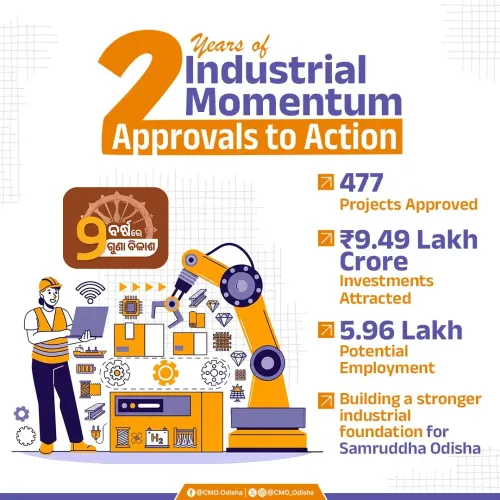
Analysts and industry observers will look for concrete follow-through: new investment proposals from major steel and downstream units, and any updates to the state's industrial policy framework in the 2025-26 budget session. CM Majhi's messaging suggests the government is building a sustained narrative ahead of potential investor summits or policy announcements. Whether Odisha can translate its mineral and infrastructure advantages into a decisive lead over rival eastern states will define the legacy of this industrial push.
Point of View
Using the language of national ambition — 'industrial capital of India' — to frame Odisha's long-running mineral-economy strategy in fresh, BJP-era terms. The messaging aligns with the national 'Viksit Bharat' narrative, translating it into a state-level identity that can be deployed before investor summits and election cycles alike. The continuity with the previous BJD government's industrial policy is notable: the BJP has largely inherited and amplified an existing playbook rather than rewritten it. The real test will be whether new, verifiable investment commitments materialise to substantiate the 'new era' claim.
NationPress
25 Sept 2026
Frequently Asked Questions
What did Odisha CM Mohan Majhi say about Odisha's industrial growth?
CM Mohan Charan Majhi stated on 29 May 2026 that Odisha is rising on the global economic map and is set to become India's undisputed industrial capital, with the dream of a prosperous Odisha taking shape through industrial development.
Why is Odisha considered a major industrial state in India?
Odisha holds large reserves of iron ore, bauxite, and coal, making it a preferred location for integrated steel, aluminium, and refining projects. The state has also developed port and power infrastructure to support large-scale industry.
What is the Make in Odisha Conclave?
The Make in Odisha Conclave is a state-level investment summit first held in 2016 to attract domestic and foreign investors in manufacturing and infrastructure. It has been continued by successive state governments, including the current BJP administration.
Who is Mohan Charan Majhi?
Mohan Charan Majhi is a BJP leader who became Chief Minister of Odisha in June 2024 following the party's victory in state assembly elections.
Which states compete with Odisha for industrial investment?
Odisha competes primarily with Jharkhand and Chhattisgarh for large industrial investments, particularly in minerals-based sectors such as steel and aluminium.