CM Majhi vows dignified local jobs for Odisha youth
Synopsis
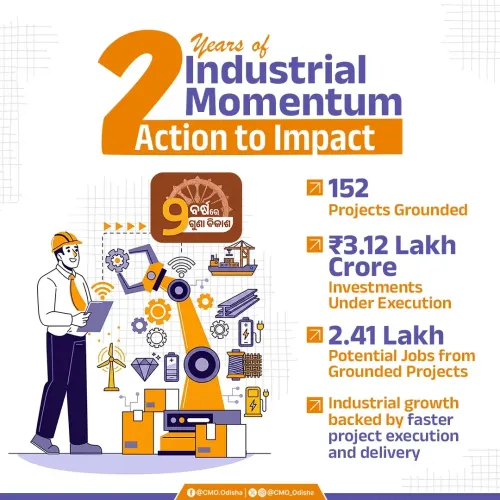
Odisha Chief Minister Mohan Charan Majhi declared on 24 May 2026 that large industrial investments are creating a self-reliant employment ecosystem in the state, pledging that talented Odia youth will no longer need to migrate to other states for dignified livelihoods.
Key Takeaways
CM Mohan Charan Majhi posted in Odia on 24 May 2026 , stating that large industrial projects are building a new atmosphere of self-reliance in Odisha .
He pledged that Odisha's youth will no longer need to leave their families and homes to seek employment in other states.
The government's stated goal is to provide 'respectable and excellent employment opportunities' on Odia soil itself.
The remarks align with the national Atmanirbhar Bharat programme and Make in India campaign, which link industrial growth to local job creation.
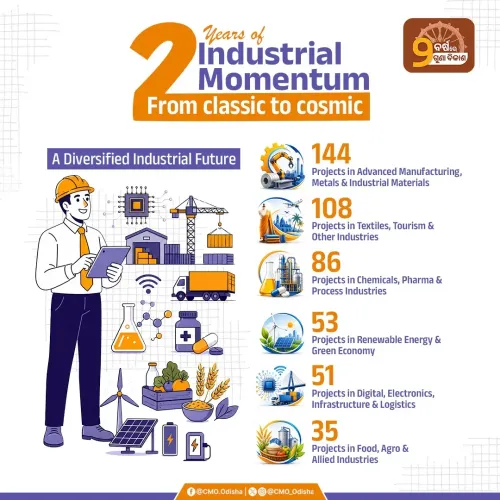
Odisha's mineral wealth and existing steel and manufacturing clusters form the structural base for this industrial employment push.
Upcoming state budget decisions on industrial incentives and skill programmes will be key indicators of how the commitment is translated into policy action.
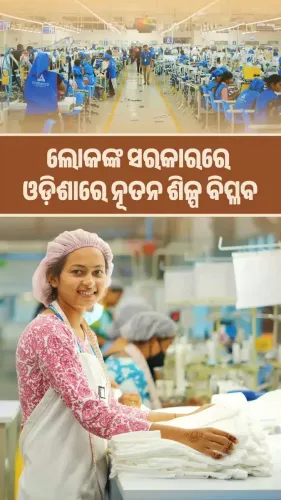
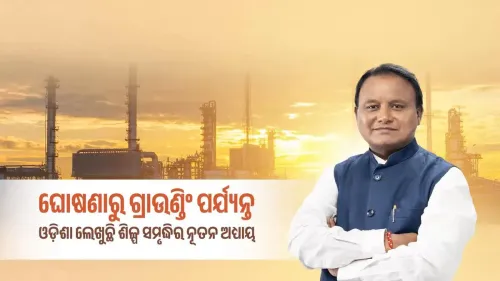
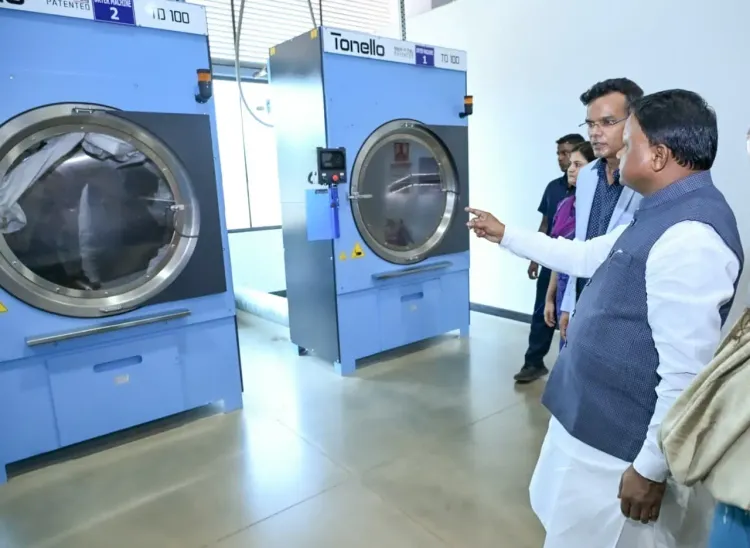
Odisha Chief Minister Mohan Charan Majhi on Sunday, 24 May 2026 declared that large industrial establishments are creating a new atmosphere of self-reliance in the state, and that talented young men and women of Odisha will no longer need to leave their homes and families for employment in other states.
Posting in Odia on X, CM Majhi wrote: 'ଏହିପରି ବୃହତ ଶିଳ୍ପ ପ୍ରତିଷ୍ଠା ଦ୍ୱାରା ରାଜ୍ୟରେ ଆତ୍ମନିର୍ଭରଶୀଳତାର ଏକ ନୂଆ ବାତାବରଣ ସୃଷ୍ଟି ହେଉଛି' ('Through the establishment of such large industries, a new atmosphere of self-reliance is being created in the state'). He added that the government's clear goal is to provide 'respectable and excellent employment opportunities' to Odisha's youth on their own soil, without forcing them to migrate.
Context
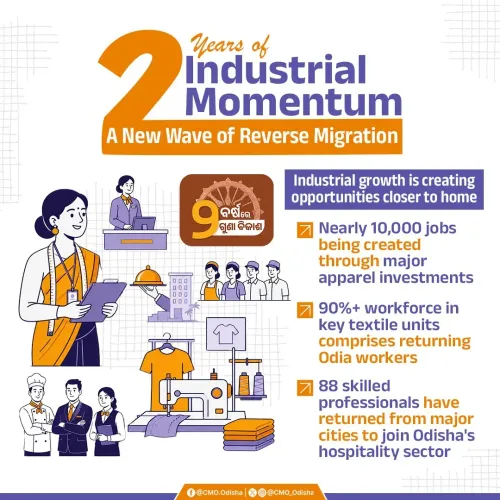
Odisha has long been a significant source of migrant labour, with large numbers of young workers travelling to states such as Gujarat, Kerala, and Tamil Nadu in search of livelihoods. The issue of out-migration has been a persistent political and social concern, particularly in the state's tribal and agrarian belts. CM Majhi's remarks directly address this structural challenge by framing industrial investment as the primary lever for reversing the trend.
Policy Backdrop
Odisha is mineral-rich, with established clusters in steel, aluminium, and downstream manufacturing that have made it a destination for large-scale industrial investment. The state's Industrial Policy Resolution of 2015 had already targeted higher investment and employment through large and medium industries, laying groundwork for the current push. CM Majhi's language — emphasising self-reliance and local employment — closely mirrors the national Atmanirbhar Bharat programme launched in 2020, which promotes local production and reduced dependence on external markets and migration. It also echoes the Make in India campaign's core premise of expanding manufacturing to create jobs where people already live.
Stakeholders and Impact
The primary beneficiaries, as identified by CM Majhi himself, are Odisha's talented young men and women — 'ପ୍ରତିଭାବାନ ଯୁବକଯୁବତୀ' — who currently leave the state for livelihood. Industrial investors and the broader manufacturing ecosystem in Odisha are also key stakeholders, as the government's commitment signals continued policy support, land availability, and incentive frameworks for new and expanding projects. For families in rural and semi-urban Odisha, the promise of dignified local employment carries both economic and social weight, reducing household disruption caused by long-distance migration.
What's Next
Attention will now turn to the Odisha government's upcoming budget announcements on industrial incentives and skill development programmes, as well as any new memoranda of understanding or project commissioning timelines that give concrete shape to CM Majhi's stated goal. The BJP-led state government's ability to translate these commitments into measurable job numbers will be closely watched ahead of future electoral cycles. A sustained pipeline of large industrial projects, backed by skill-matching initiatives for local youth, will be the practical test of this self-reliance agenda.
Point of View
He is consciously anchoring state industrial policy within the national BJP ideological framework. The pledge carries electoral weight in a state where migration-affected families form a significant voter constituency, particularly in the southern and western districts. The credibility of this commitment will ultimately rest on verifiable job numbers and whether new industrial projects can absorb local workers at scale.
NationPress
23 Sept 2026
Frequently Asked Questions
What did Odisha CM Mohan Majhi say about jobs for Odia youth?
CM Mohan Charan Majhi said that large industrial establishments are creating a new atmosphere of self-reliance in Odisha, and that talented young men and women of the state will no longer need to migrate to other states for employment — they will receive respectable and excellent job opportunities on their own soil.
Why do Odia youth migrate to other states for work?
Odisha has historically had limited large-scale industrial employment relative to its working-age population, pushing young workers — particularly from tribal and agrarian regions — to migrate to states like Gujarat, Kerala, and Tamil Nadu for livelihoods. The state government is now positioning large industrial investments as the solution to this structural gap.
What is Atmanirbhar Bharat and how does it relate to Odisha?
Atmanirbhar Bharat is a national self-reliance programme launched in 2020 that promotes local manufacturing and production to reduce dependence on imports and external employment. CM Majhi's framing of Odisha's industrial growth as building 'self-reliance' directly echoes this national programme's language and goals.
What industries are driving employment in Odisha?
Odisha's mineral wealth underpins large clusters in steel, aluminium, petrochemicals, and downstream manufacturing, making it a destination for major industrial investment. These sectors are central to the state government's strategy of generating local employment for Odia youth.
What should we watch for next on Odisha's industrial jobs policy?
Key indicators to watch include the Odisha government's upcoming budget announcements on industrial incentives and skill development, as well as new memoranda of understanding or project commissioning timelines that will give concrete shape to CM Majhi's employment pledges.