CM Majhi Bets on Textiles and Skills to Bring Odisha's Youth Home
Synopsis
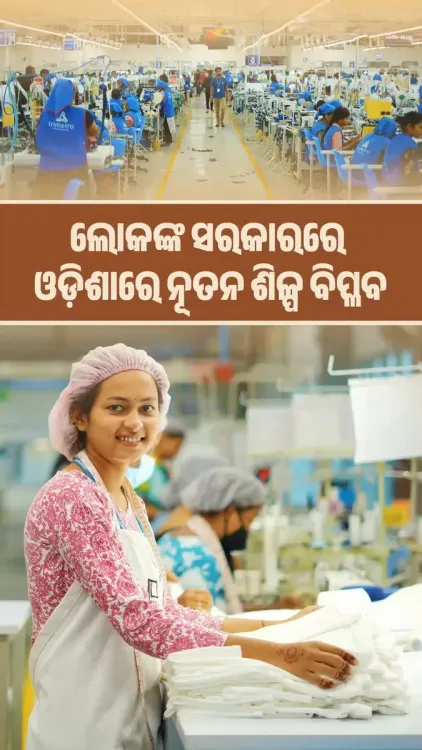
Odisha Chief Minister Mohan Charan Majhi says modern textile parks, technical training, and rapid industrialisation are creating dignified local livelihoods, drawing thousands of Odia migrant workers back home and making women economically self-reliant — the BJP government's stated benchmark of success.
Key Takeaways
Odisha CM Mohan Charan Majhi posted on 8 August 2026 highlighting rapid industrialisation and textile park development as tools to curb out-migration.
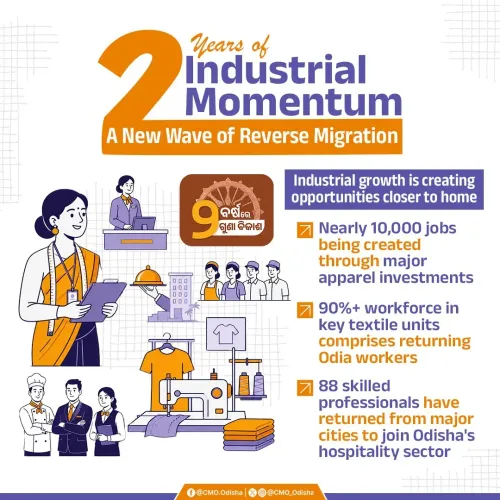
Thousands of Odia workers previously employed in other states are described as returning home to 'dignified livelihoods.' The BJP government, in power since June 2024 after ending 24 years of BJD rule, had made accelerated industrialisation a core election promise.
Women's economic self-reliance through new industrial employment is framed as the government's primary measure of success.
Specific textile park locations, completion dates, and verified employment figures remain to be announced publicly.
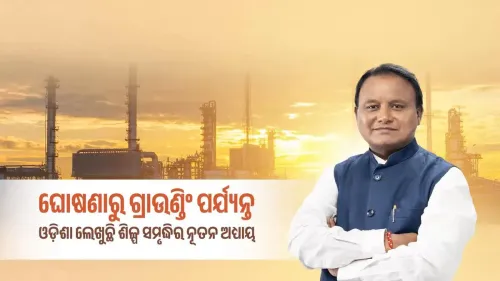
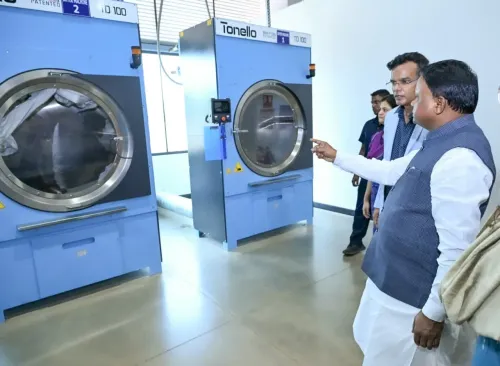
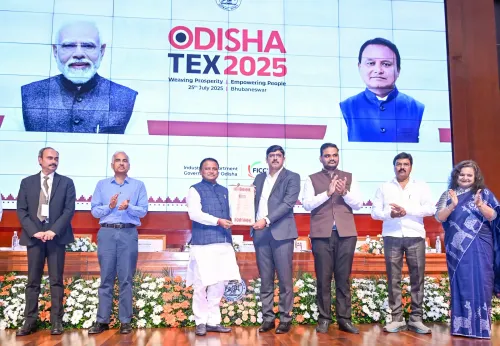
For years, thousands of young Odia workers packed their bags and left — for Surat's textile mills, Chennai's factories, Kerala's construction sites. Odisha Chief Minister Mohan Charan Majhi is now staking his government's reputation on reversing that flow, posting a pointed message on Saturday, 8 August 2026 about rapid industrialisation, modern textile parks, and technical training opening what he called 'new horizons of possibility' for the state's youth and women.
Writing in Odia, Majhi declared: 'Thousands of Odia workers who were working in other states are returning to their own soil and working with dignified livelihoods. The smiles on the faces of our women, who have become self-reliant through new industries, are the true strength of our government.'
The Out-Migration Problem Odisha Has Long Tried to Solve
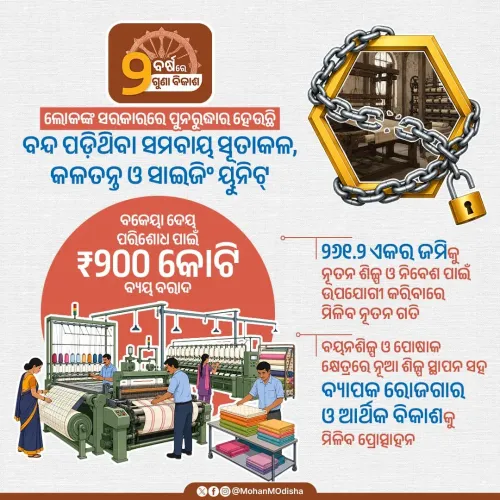
Odisha's out-migration crisis is not new. The state's mineral-rich economy — anchored in steel, aluminium, and mining — has historically generated capital without generating enough jobs for its working-age population. Textile and apparel manufacturing, which is labour-intensive and skewed toward women workers, has been seen by successive governments as the most direct lever to change that equation. The BJP government that swept to power in June 2024, ending 24 years of Biju Janata Dal rule, made accelerated industrialisation and skill-development a central plank of its agenda. Textile parks and vocational training clusters were positioned as flagship instruments to absorb workers who would otherwise migrate.Women at the Centre of the Industrial Push
Majhi's framing is deliberate: he places women's economic self-reliance as the headline achievement, not a footnote. Formal employment for women in new industrial units has been a persistent gap in Odisha's development story. The textile and apparel sector, where women constitute the majority of the shop-floor workforce nationally, offers a structural opportunity to close it. The Chief Minister's emphasis on 'narishakti' (women's strength) becoming self-reliant through new industry signals that gender-inclusive employment is being positioned as a political and governance benchmark — not merely a welfare metric.What the Next Budget Session Must Deliver
The rhetoric is clear. The harder test will be in the numbers. Specific textile park locations, completion timelines, and verifiable employment figures have not yet been made public. Analysts watching Odisha's industrial trajectory will look to the next budget session for concrete targets: how many parks, how many seats in skill programmes, and whether migration-return data backs the government's claims. Odisha has the land, the policy intent, and now a government with a strong mandate. The question is whether the infrastructure follows the ambition — fast enough to matter for the generation that is, right now, deciding whether to stay or leave.Point of View
Local job creation rather than the mineral-revenue model that defined the BJD era. By centering women's self-reliance as the metric of governance success, the government is also targeting a demographic that proved decisive in the 2024 mandate. The textile-park push fits a national BJP pattern of positioning manufacturing clusters as the bridge between welfare politics and aspiration politics. The credibility of the narrative, however, will hinge entirely on verifiable employment data — something the government has yet to put on the table.
NationPress
22 Sept 2026
Frequently Asked Questions
What is Odisha CM Mohan Majhi doing about unemployment?
CM Mohan Charan Majhi is pushing rapid industrialisation, modern textile parks, and technical skill training to create local employment in Odisha, aiming to reduce the number of workers who migrate to other states for jobs.
Are Odia migrant workers returning home from other states?
CM Majhi has stated that thousands of Odia workers previously employed outside the state are returning and finding dignified livelihoods at home, though specific verified figures have not yet been released publicly.
What is Odisha's textile park plan?
The BJP government in Odisha has announced modern textile parks as part of its industrialisation drive. Textile and apparel manufacturing is seen as a key sector to generate large-scale employment, especially for women, but specific park locations and timelines are yet to be confirmed.
How is the BJP government in Odisha different from the previous BJD government on jobs?
The BJP government, which came to power in June 2024 ending 24 years of BJD rule, has emphasised accelerated manufacturing-led job creation and skill development to curb out-migration — a sharper focus on formal local employment than the mineral-revenue-centric model of its predecessor.
What is Odisha doing for women's employment?
CM Majhi has highlighted women's self-reliance through new industrial units as a central goal, with the textile sector — which employs a majority of women workers nationally — positioned as the primary vehicle for expanding formal employment for women in Odisha.