CM Majhi Backs Child Labour Fight With Odisha Scheme
Synopsis
Odisha Chief Minister Mohan Charan Majhi used World Day Against Child Labour on 12 June 2026 to spotlight the Shahid Madho Singh Haata Kharcha Yojana, a state scheme providing financial support to keep vulnerable children in school and out of labour.
Key Takeaways
CM Mohan Charan Majhi posted on World Day Against Child Labour, 12 June 2026 , reaffirming the state's commitment to child rights.
The Shahid Madho Singh Haata Kharcha Yojana is Odisha's state-level scheme to provide financial support to children from vulnerable communities to continue schooling.
India's national framework includes the Right to Education Act, 2009 (ages 6–14 ) and the Child Labour Amendment Act, 2016 banning employment of children under 14 .
Odisha has a significant tribal and rural population historically at higher risk of school dropout due to economic pressures.
State enrolment, retention, and child labour survey data from districts where the scheme operates will be the key metrics to watch.
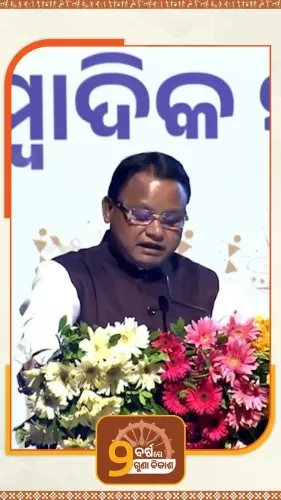
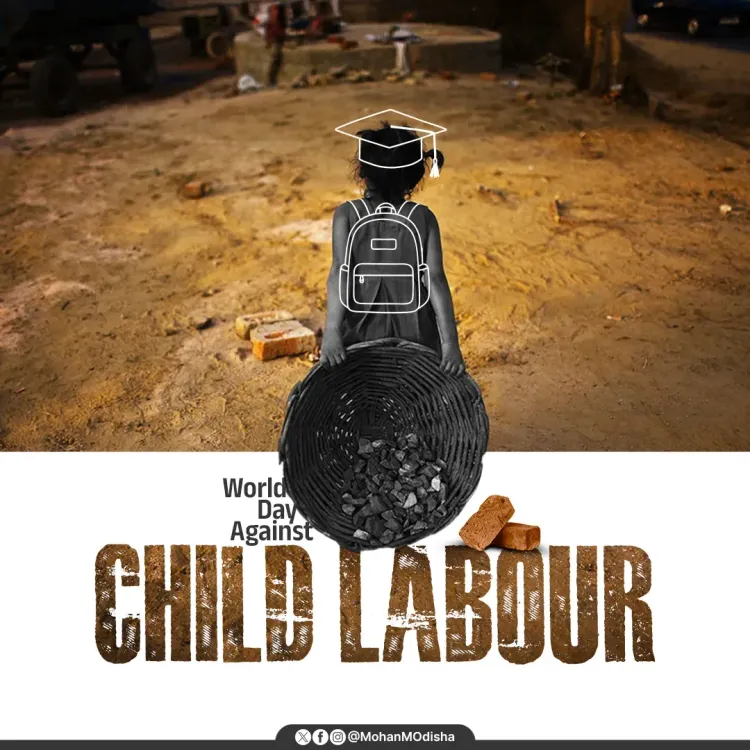
Odisha Chief Minister Mohan Charan Majhi on Friday, 12 June 2026 — World Day Against Child Labour — reaffirmed his government's commitment to eliminating child labour, citing the state's Shahid Madho Singh Haata Kharcha Yojana as a concrete vehicle for keeping vulnerable children in school.
Context
Posting on the occasion of the annual observance promoted by the International Labour Organization (ILO), CM Majhi wrote: 'Every child deserves a book in hand, not a burden on their shoulders.' He called on citizens to reaffirm the commitment to 'safeguarding every child's right to education, protection and opportunity.'
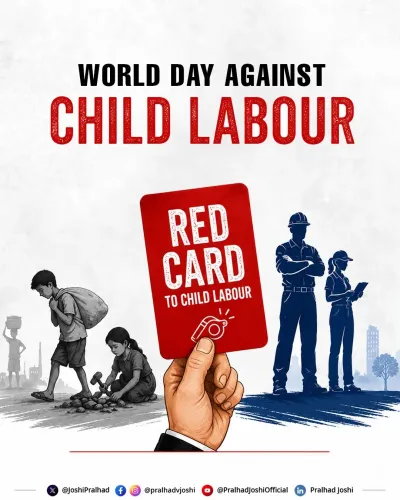
The World Day Against Child Labour, observed every 12 June, serves as a global rallying point for governments, civil society and international bodies to assess progress and renew pledges against the exploitation of child workers.
Policy Backdrop
India's legislative framework against child labour rests on two pillars: the Right of Children to Free and Compulsory Education Act, 2009, which guarantees free schooling for children aged 6 to 14, and the Child Labour (Prohibition and Regulation) Amendment Act, 2016, which banned the employment of children under 14 in all occupations.
State governments have been expected to complement these national laws with targeted incentive programmes that address the economic pressures that push families to withdraw children from school. Odisha, home to large tribal and rural populations, has historically run welfare schemes for low-income and marginalised households to reduce dropout rates.
The Shahid Madho Singh Haata Kharcha Yojana is the Majhi government's current instrument in this space, designed to provide financial support to children from vulnerable communities so that economic necessity does not become a barrier to continuing their education.
Stakeholders and Impact
The scheme's primary beneficiaries are school-going children from Odisha's most economically exposed communities — tribal households, daily-wage families, and others at high risk of dropout. By providing direct support, the programme aims to break the cycle in which poverty compels children into informal labour markets.
Educators, child-rights advocates, and district administrations in Odisha are key implementing stakeholders. Sustained enrolment and retention gains in districts where the scheme operates would represent the clearest measure of its effectiveness.
What's Next
CM Majhi's statement signals continued political prioritisation of the programme heading into the second half of 2026. Observers will watch for state-level data on school enrolment, attendance retention, and child labour incidence surveys across Odisha districts where the Haata Kharcha Yojana is active.
The broader test for Odisha — and for Indian states generally — is whether financial support schemes translate into sustained improvements in learning outcomes, or whether structural barriers such as school infrastructure gaps and seasonal migration continue to undercut progress. CM Majhi's public commitment on a globally observed date adds a layer of accountability to the state's delivery targets.
Point of View
A domain historically associated with Congress-era social programmes. The post fits a broader pattern among Indian state governments of pairing national legislative frameworks with localised cash-transfer or incentive schemes to demonstrate tangible delivery. The real political test will come when enrolment and retention data from targeted districts either validate or challenge the scheme's claimed impact.
NationPress
26 Oct 2026
Frequently Asked Questions
What is the Shahid Madho Singh Haata Kharcha Yojana?
The Shahid Madho Singh Haata Kharcha Yojana is an Odisha state government scheme designed to provide financial support to children from vulnerable and marginalised communities, enabling them to continue their education rather than enter child labour.
Why did CM Majhi post about child labour on 12 June 2026?
12 June is observed globally as World Day Against Child Labour, an annual event promoted by the ILO. CM Majhi used the occasion to reaffirm his government's commitment to child rights and highlight the Odisha scheme supporting at-risk children.
What are India's main laws against child labour?
India's key laws are the Right of Children to Free and Compulsory Education Act, 2009, guaranteeing free schooling for ages 6 to 14, and the Child Labour (Prohibition and Regulation) Amendment Act, 2016, which banned employment of children under 14 in all occupations.
Who benefits from Odisha's child welfare education schemes?
The primary beneficiaries are children from tribal households, daily-wage families, and other economically vulnerable communities in Odisha who face a high risk of dropping out of school due to financial pressures.
What will indicate whether Odisha's child labour schemes are working?
State-level data on school enrolment rates, student retention figures, and child labour incidence surveys in the districts where the Shahid Madho Singh Haata Kharcha Yojana operates will be the clearest indicators of the scheme's effectiveness.