CM Majhi extends Raja Parba greetings, hails Odisha's cultural heritage
Synopsis
Odisha Chief Minister Mohan Charan Majhi greeted citizens on Raja Parba on 15 June 2026, calling the three-day festival — spanning Pahili Raja, Mithuna Sankranti, and Basumati Snana — a symbol of reverence for Mother Earth, womanhood, and Odisha's cultural heritage.
Key Takeaways
Odisha CM Mohan Charan Majhi extended greetings for Raja Parba on 15 June 2026 via a post on X.
Raja Parba is a three-day Odia festival comprising Pahili Raja , Mithuna Sankranti , and Basumati Snana .
The festival honours Mother Earth , womanhood, and nature, and is rooted in Odisha's agrarian traditions.
Majhi called on citizens to 'enrich this glorious tradition' and wished everyone a joyous celebration.
Odisha chief ministers have historically used Raja Parba messages to connect with citizens and reaffirm cultural identity.
The festival marks the onset of the monsoon season and the beginning of the agricultural sowing cycle in Odisha .
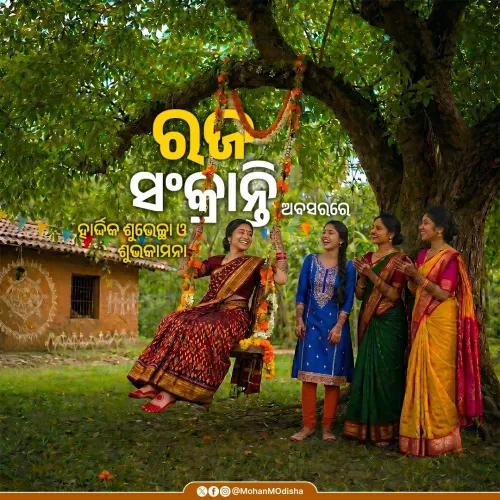
Odisha Chief Minister Mohan Charan Majhi on Monday, 15 June 2026, extended warm greetings to the people of the state on the occasion of Raja Parba, describing the three-day festival as a symbol of deep reverence for Mother Earth, womanhood, and nature.
Context
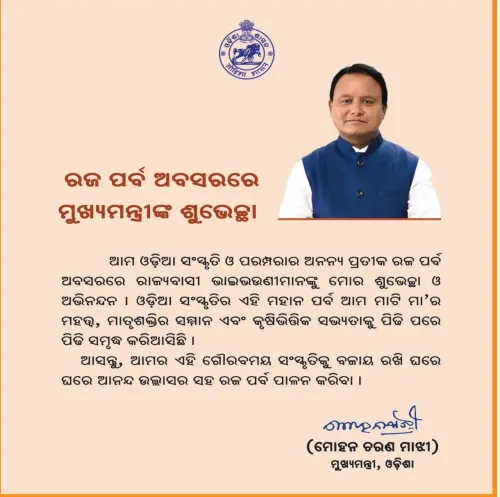
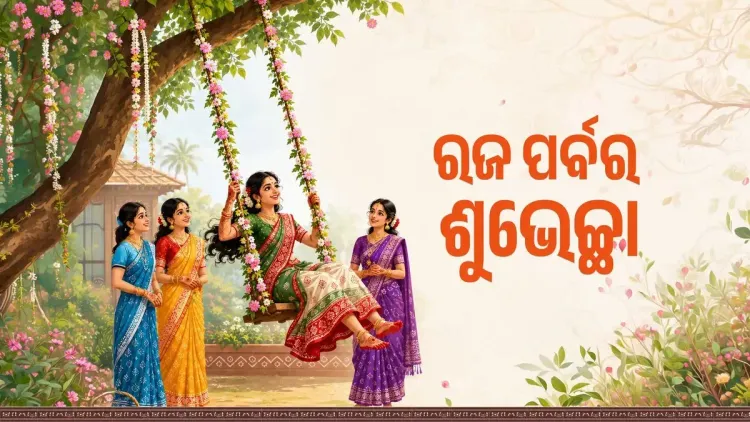
In his post, CM Majhi wrote in Odia: 'ଧରିତ୍ରୀ ମାତା, ନାରୀଶକ୍ତି ଓ ପ୍ରକୃତି ପ୍ରତି ଆମର ଗଭୀର ସମ୍ମାନର ପ୍ରତୀକ ହେଉଛି ପବିତ୍ର ରଜ ପର୍ବ' — loosely translated: 'The sacred Raja Parba is a symbol of our deep respect for Mother Earth, the power of women, and nature.' He called on citizens to enrich this 'glorious tradition' further and wished everyone a joyous celebration.
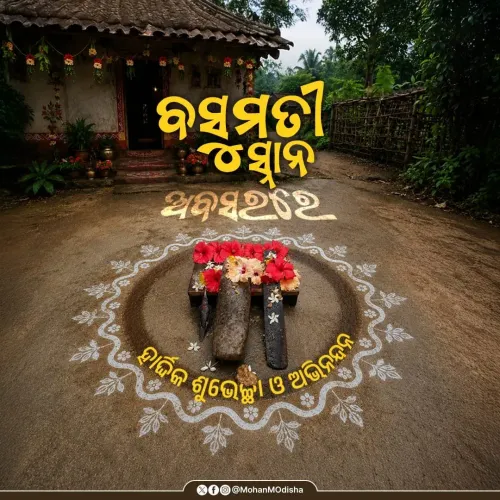
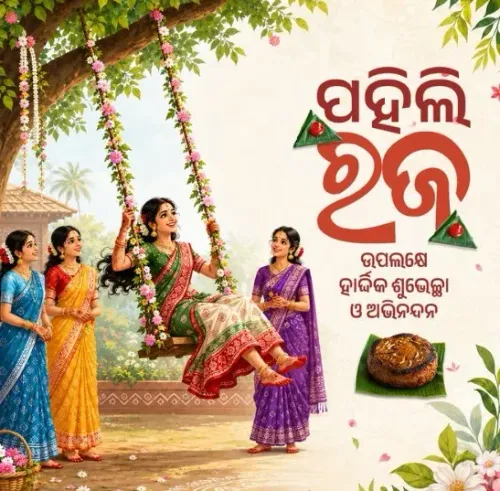
The Chief Minister specifically highlighted the three distinct phases of the festival — Pahili Raja, Mithuna Sankranti, and Basumati Snana — noting that each day imparts lessons of gratitude towards nature, respect for women, and pride in Odisha's cultural heritage.
Policy Backdrop
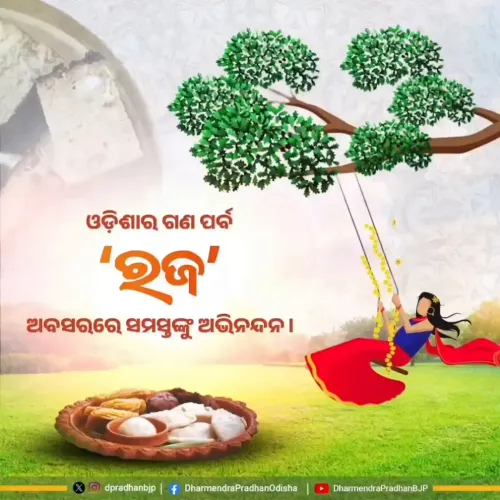
Raja Parba is one of Odisha's most widely observed traditional festivals, typically falling in mid-June to coincide with Mithuna Sankranti, the onset of the monsoon season. Rooted in agrarian tradition, the festival treats the earth as a menstruating mother — a living entity deserving rest and reverence — and is accompanied by rituals including the ceremonial Basumati Snana, or ritual bathing of Mother Earth.
Chief ministers of Odisha have long used Raja Parba greetings to reaffirm the state's commitment to gender reverence and ecological respect. Majhi, who assumed office in June 2024 after the BJP's landmark assembly election victory in the state, continues this established practice of state leadership connecting with citizens through cultural milestones.
Stakeholders and Impact
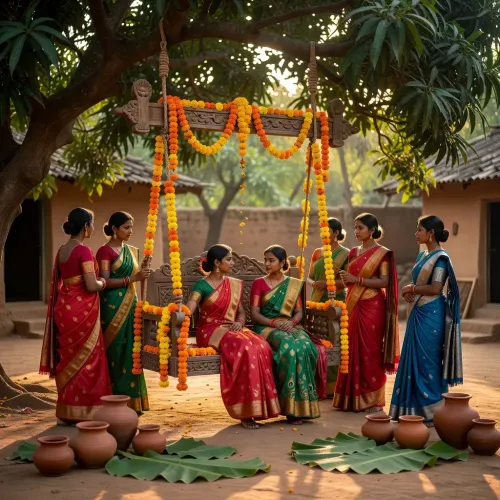
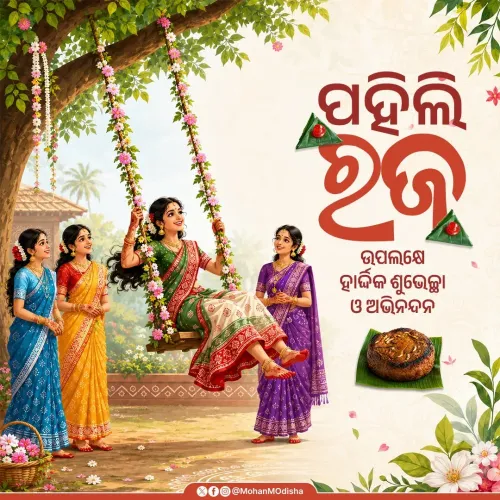
Odia women occupy the centre of Raja Parba observances — the festival is traditionally a time of celebration and respite for women, who are gifted new clothes and sweets, and are freed from household chores during the three days. Rural communities across Odisha regard the festival as an important marker of the agricultural calendar, signalling the beginning of the sowing season.
The Chief Minister's public message amplifies the cultural significance of the occasion at the state level, reinforcing a narrative of institutional respect for indigenous traditions and gender dignity that resonates across urban and rural Odisha alike.
What's Next
Observers will watch for any state-level arrangements or government programmes tied to Raja Parba 2026, including potential linkages to tourism promotion or women's welfare initiatives. Majhi's messaging signals continued political and cultural investment in Odisha's regional identity under the current administration, a pattern likely to deepen as the state approaches future electoral cycles.
Point of View
Such messaging serves a dual purpose: it signals continuity with Odisha's distinct cultural identity while embedding the new administration within the state's social fabric. The emphasis on womanhood aligns with the party's broader national narrative around 'Nari Shakti', lending the ceremonial greeting a subtle policy undertone. As Odisha consolidates its identity under new political leadership, festivals like Raja Parba become important arenas where governance and cultural belonging intersect.
NationPress
18 Sept 2026
Frequently Asked Questions
What is Raja Parba and why is it celebrated in Odisha?
Raja Parba is a three-day Odia festival observed around Mithuna Sankranti in June, honouring Mother Earth, womanhood, and the onset of the monsoon season. It is rooted in Odisha's agrarian traditions and treats the earth as a living, revered entity deserving rest during this period.
What are the three days of Raja Parba called?
The three days of Raja Parba are called Pahili Raja, Mithuna Sankranti, and Basumati Snana. Each day carries distinct rituals, with Basumati Snana involving a ceremonial bathing of Mother Earth.
What did Odisha CM Mohan Charan Majhi say about Raja Parba?
CM Mohan Charan Majhi described Raja Parba as a symbol of deep reverence for Mother Earth, the power of women, and nature. He called on citizens to enrich Odisha's glorious tradition and extended warm greetings for the festival on 15 June 2026.
When did Mohan Charan Majhi become Chief Minister of Odisha?
Mohan Charan Majhi became Chief Minister of Odisha in June 2024, following the BJP's victory in the state assembly elections — marking the party's first-ever government in the state.
How is Raja Parba significant for women in Odisha?
Raja Parba is traditionally a celebratory time for women in Odisha. Women are gifted new clothes and sweets, freed from household chores for three days, and placed at the centre of the festival's rituals, reflecting the occasion's core theme of honouring womanhood.