CM Majhi greets Odisha on Raja Parba, cites women's leave
Synopsis
Odisha Chief Minister Mohan Charan Majhi greeted citizens on Raja Parba on 14 June 2026, calling the three-day festival a celebration of womanhood and nature, and linking its ethos to his government's announcement of additional special leave for working women and renewed commitment to farmer welfare.
Key Takeaways
CM Mohan Charan Majhi extended Raja Parba greetings on 14 June 2026 , describing the festival as a grand expression of Odia cultural identity.
Raja Parba is a three-day Odia festival in mid-June that honours Mother Earth and womanhood at the onset of the monsoon season.
The Chief Minister referenced a 'historic' arrangement of additional special leave for working women, framing it as rooted in the festival's philosophy of rest and dignity.
Farmers were also addressed, with Majhi pledging a new chapter of agricultural progress and dignity for the farming community.
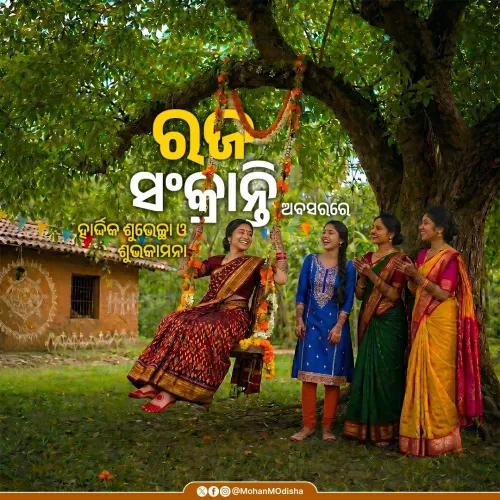
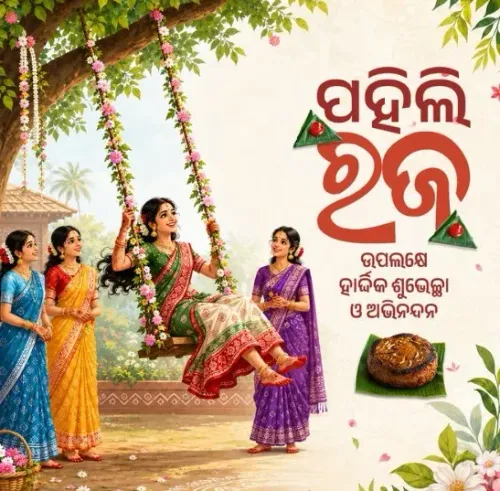
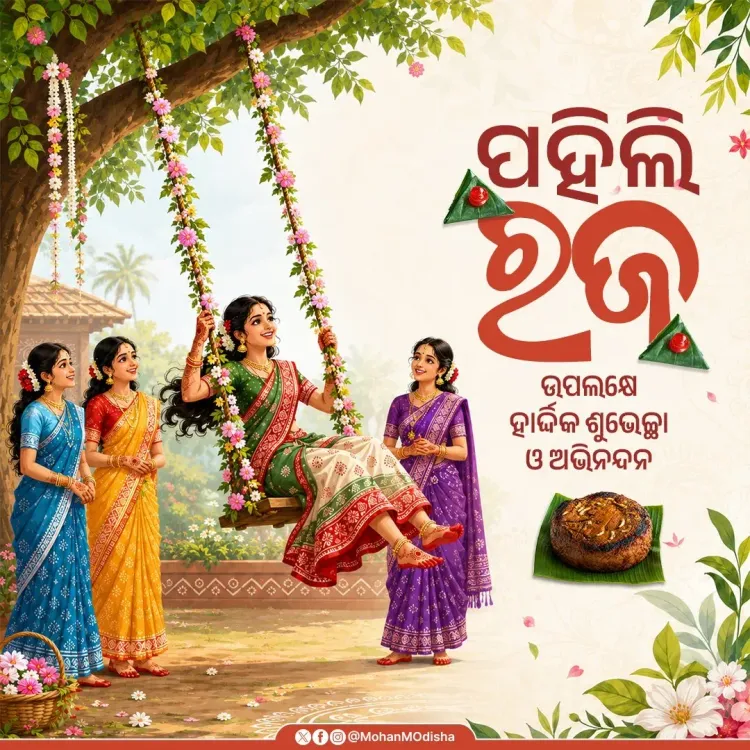
The post invoked traditional Raja symbols — swings, poda pitha , and betel leaf — as metaphors for social harmony and renewed resolve.
Specific details and formal notification of the additional leave provision are yet to be confirmed publicly.
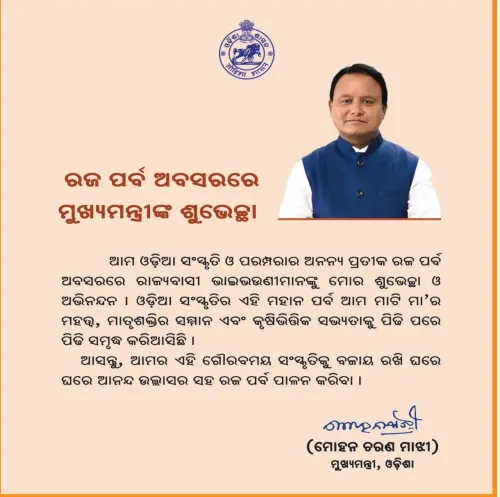
Odisha Chief Minister Mohan Charan Majhi extended greetings to the people of Odisha on the occasion of Raja Parba on Sunday, 14 June 2026, describing the three-day festival as a living expression of Odia cultural identity and a celebration of womanhood, nature, and agrarian heritage.
Context
Raja Parba is a traditional three-day Odia festival observed in mid-June that marks the onset of the monsoon and honours Bhu Devi (Mother Earth). According to Odia cultural belief, the earth herself rests during these three days, and farming families pause agricultural work as an act of gratitude toward the land. Women in every household are released from daily domestic duties and the festival is observed as a celebration of their dignity and freedom.
In his post, CM Majhi described Raja as 'mahaganaparbba' — a grand convergence of soil and maternal energy — and said it represents 'a great cultural sacrament of our Sanatana consciousness, a unique expression of gratitude toward nature and deep respect for womanhood.'
Policy Backdrop
The Chief Minister linked the festival's ethos directly to his government's policy stance, stating that the dignity and self-respect of women has been accorded 'the highest priority' in his administration's governance framework. He specifically referenced what he called a 'historic' arrangement of additional special leave for working women, framing it as a reflection of the same philosophy that underlies Raja — the recognition that rest is necessary for future creation.
Odisha governments have historically promoted Raja Parba as an official cultural observance. CM Majhi, who took office in June 2024 as the state's first BJP chief minister, has continued this tradition while weaving in governance messaging around gender welfare and farmer prosperity. The specific scope and rollout details of the additional leave provision remain to be formally notified.
Stakeholders and Impact
The post addresses two primary constituencies: Odia women and farmers. For women — particularly those in formal employment — the Chief Minister's reference to additional casual leave signals a policy intent to institutionalise the festival's spirit of rest and recognition. For farmers, Majhi pledged to 'write a new chapter of progress and dignity' by converting their labour into agricultural prosperity, a message timed to the critical pre-monsoon agricultural season.
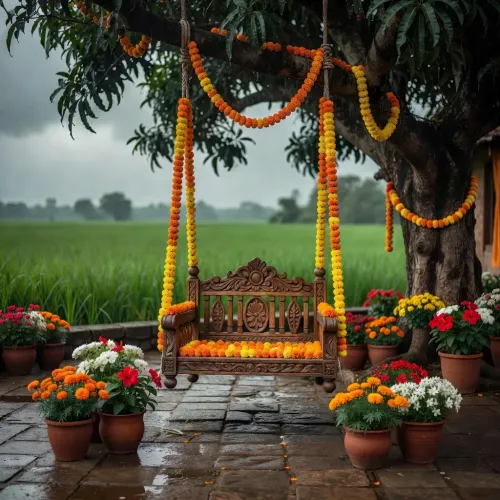
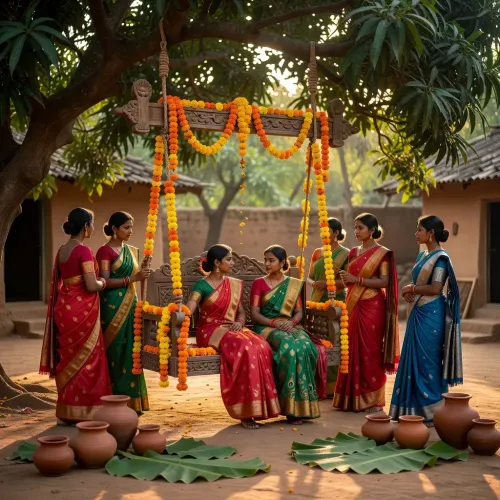
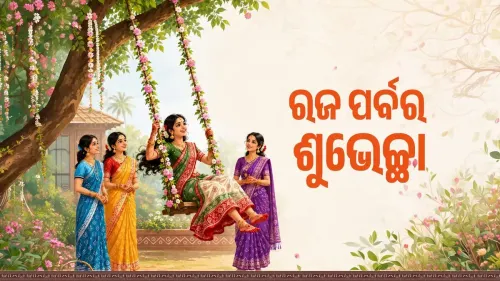
The festival's cultural resonance runs deep across Odisha, with traditions including swings (Raja doli), rice cakes (poda pitha), and betel leaf (Raja pana) — all of which the Chief Minister invoked in his closing lines as symbols of social harmony, family bonds, and renewed resolve.
What's Next
Attention will now turn to whether the state government formalises and notifies the additional leave entitlement for women employees in the coming weeks, and how the agriculture department aligns monsoon-season programmes with the prosperity commitments made in the Chief Minister's message. CM Majhi closed his post with a call to seek the blessings of Maa Basumati (Mother Earth) and rededicate efforts toward building 'a prosperous, self-respecting, empowered, and developed Odisha,' signing off with 'Jai Jagannath!' — a salutation that carries both religious and political weight in the state.
Point of View
A strategy that has proven electorally effective in states with strong regional cultural identities. The farmer-welfare pledge, timed to the pre-monsoon window, adds an agrarian dimension that speaks to Odisha's rural majority. Whether the leave announcement translates into a formal, notified policy will determine whether this post is remembered as governance communication or ceremonial rhetoric.
NationPress
14 Sept 2026
Frequently Asked Questions
What is Raja Parba and why is it celebrated in Odisha?
Raja Parba is a three-day Odia festival observed in mid-June that marks the onset of the monsoon and honours Mother Earth and womanhood. According to tradition, the earth rests during these days, farming is paused, and women are released from domestic duties as a mark of respect and celebration.
What did CM Mohan Majhi say about working women on Raja Parba 2026?
CM Mohan Charan Majhi announced that his government has made a 'historic' arrangement of additional special leave for working women, framing it as a reflection of the Raja Parba tradition of granting women rest and dignity.
When is Raja Parba 2026?
Raja Parba 2026 falls in mid-June; CM Majhi's greetings were posted on 14 June 2026 , which corresponds with the festival period.
Who is Mohan Charan Majhi?
Mohan Charan Majhi is the Chief Minister of Odisha and a BJP leader who took office in June 2024 as the state's first BJP chief minister.
What is the significance of 'Jai Jagannath' used by CM Majhi?
'Jai Jagannath' is a salutation invoking Lord Jagannath, the presiding deity of Puri and a central symbol of Odia cultural and religious identity. It is widely used in Odisha as both a religious greeting and a statement of regional pride.