CM Majhi Greets Odisha on Sambalpuri Divas
Synopsis
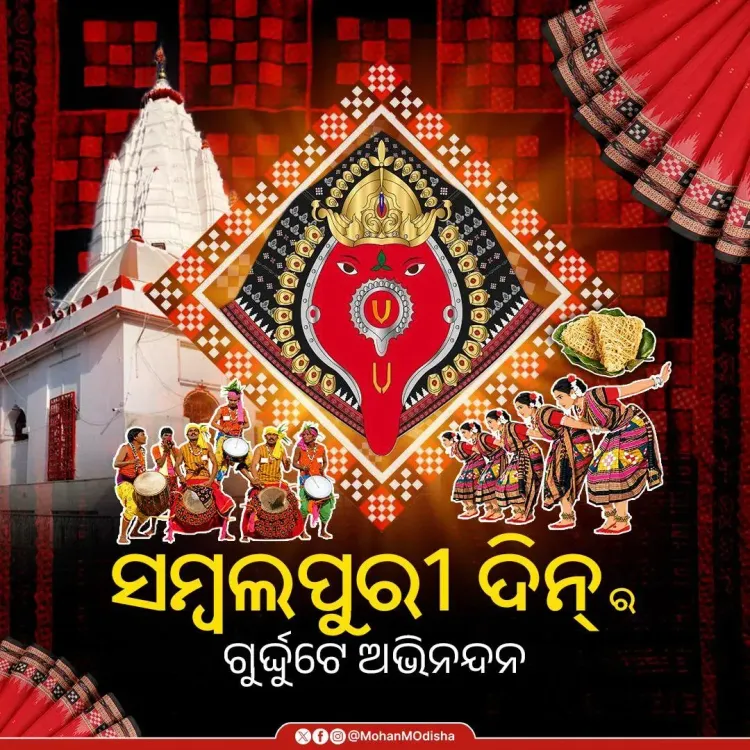
Odisha Chief Minister Mohan Charan Majhi marked Sambalpuri Divas and Guru Satyanarayan Bahidar's birth anniversary on 1 August 2026, calling the region's language, folk arts, dance, and GI-tagged handloom weaving the pride and identity of Odisha.
Key Takeaways
CM Mohan Charan Majhi extended greetings on Sambalpuri Divas and the birth anniversary of Guru Satyanarayan Bahidar on 1 August 2026 .
He described Sambalpuri language, folk art, folk songs, dance, handloom weaving and traditions as Odisha's 'pride and identity'.
Sambalpur is the cultural hub of western Odisha; its handloom tradition holds a Geographical Indication (GI) tag .
The Sambalpuri bandha tie-dye weaving technique is among the most recognised craft exports from the region.
Successive Odisha governments have marked regional cultural days to affirm the state's linguistic and artistic diversity.
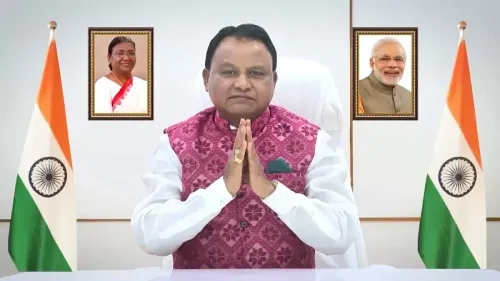
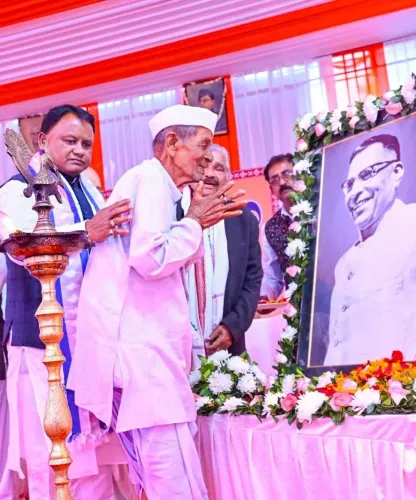
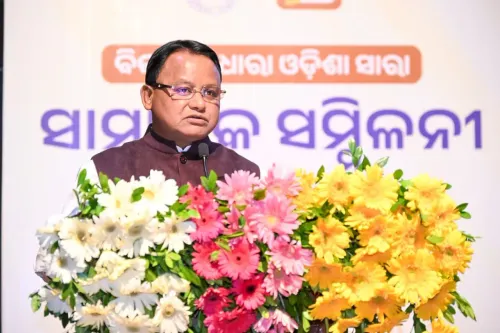
Every August, western Odisha pauses to celebrate a language, a loom, and a way of life. On Saturday, 1 August 2026, Odisha Chief Minister Mohan Charan Majhi extended warm greetings on the occasion of Sambalpuri Divas and the birth anniversary of Guru Satyanarayan Bahidar, honouring a cultural tradition that stretches across generations.
Posting in Odia, the Chief Minister wrote: 'Sambalpuri bhasha, sanskriti, loka kala, loka gita, nritya, hasta tanta bunakarya o parampara amara gaurava ebam parichaya' — 'Our Sambalpuri language, culture, folk art, folk songs, dance, handloom weaving and traditions are our pride and identity.' He called on people to renew their commitment to enriching this heritage on the auspicious occasion.
Sambalpuri Divas and the legacy it marks
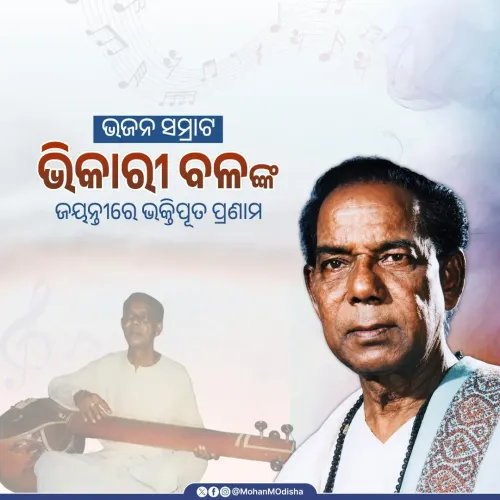
Sambalpuri Divas is observed annually to celebrate the distinct identity of western Odisha — its dialect, performing arts, and above all its handloom tradition. The occasion is also marked as the birth anniversary of Guru Satyanarayan Bahidar, a revered figure in the Sambalpuri cultural movement, though the precise details of his life and work remain largely undocumented in formal public records.
Successive Odisha governments have used regional cultural days to affirm the state's linguistic and artistic diversity, and CM Majhi's message continues that practice — framing Sambalpuri identity not as a regional sub-culture but as a pillar of Odisha's global image.
The handloom at the heart of Sambalpuri identity
Sambalpur, the cultural capital of western Odisha, lends its name to a weaving tradition recognised with a Geographical Indication (GI) tag. The Sambalpuri handloom — known for its intricate tie-dye technique called bandha — is worn at state functions, gifted to dignitaries, and exported across the country. For the weavers of western Odisha, the loom is not a livelihood alone; it is the most tangible thread connecting present generations to an ancient craft lineage.
CM Majhi's invocation of 'hasta tanta bunakarya' (handloom weaving) alongside language and folk performance signals that the state views these strands as inseparable — culture, craft, and community as one fabric.
As Odisha positions itself on larger cultural and tourism maps, the annual affirmation of Sambalpuri Divas is a reminder that the state's identity is not monolithic — and that western Odisha's weavers, singers, and dancers are very much part of the story being told to the world.
Point of View
The Chief Minister aligns state identity with an economically significant craft sector that has long sought greater policy support. The framing of Sambalpuri culture as part of Odisha's 'global identity' also fits a broader state push to leverage cultural tourism and GI-tagged products. Watch for whether the annual greeting translates into concrete steps — festival funding, weaver welfare schemes, or a push for Sambalpuri language recognition — in the months ahead.
NationPress
15 Sept 2026
Frequently Asked Questions
What is Sambalpuri Divas and why is it celebrated?
Sambalpuri Divas is an annual observance celebrating the language, folk arts, handloom traditions, and cultural identity of western Odisha, centred on the city of Sambalpur. It is also marked as the birth anniversary of Guru Satyanarayan Bahidar, a figure associated with the Sambalpuri cultural movement.
Who is Guru Satyanarayan Bahidar?
Guru Satyanarayan Bahidar is a revered figure in the Sambalpuri cultural tradition whose birth anniversary is observed on Sambalpuri Divas. Detailed public records about his life and contributions are limited.
What is the Sambalpuri handloom known for?
The Sambalpuri handloom is known for its distinctive bandha tie-dye technique, which creates intricate patterns on fabric. It holds a Geographical Indication (GI) tag, recognising it as a product uniquely tied to western Odisha.
What did Odisha CM Mohan Charan Majhi say on Sambalpuri Divas 2026?
CM Majhi extended greetings on Sambalpuri Divas and called the region's language, folk art, folk songs, dance, handloom weaving, and traditions the 'pride and identity' of Odisha, urging people to renew their commitment to enriching this heritage.
Does Sambalpuri have official language recognition in Odisha?
Sambalpuri is widely spoken in western Odisha but its formal recognition as an official or scheduled language remains a matter of ongoing advocacy. State governments have periodically acknowledged its cultural significance without granting it full statutory status.