CM Majhi: Odisha is India's next growth frontier
Synopsis
Chief Minister Mohan Majhi declared on 10 July 2026 that Odisha has evolved beyond a conventional investment destination into India's next growth frontier, linking the state's infrastructure and policy governance to the national Viksit Bharat 2047 vision.
Key Takeaways
CM Mohan Majhi declared Odisha 'India's next growth frontier' in a statement shared on 10 July 2026 .
The BJP-led state government has positioned its governance model around world-class infrastructure and policy-driven execution.
The statement directly aligns Odisha's industrial ambitions with Prime Minister Modi's Viksit Bharat 2047 national vision.
Odisha's Industrial Policy Resolution of 2022 provides the legislative backbone for attracting large-scale manufacturing investment.
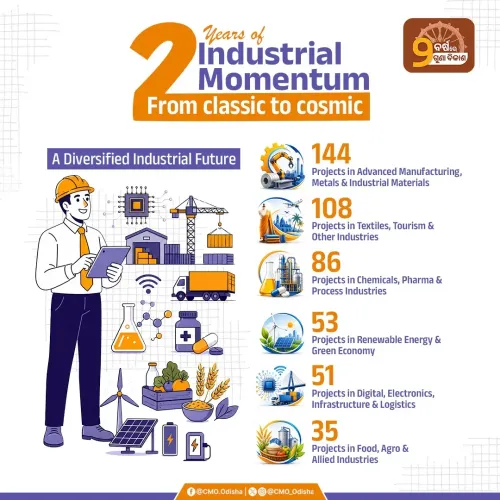
The state's mineral reserves, ports and steel clusters give it structural advantages in competing for heavy industry and downstream manufacturing.
Outcomes of upcoming Make in Odisha summits and fresh MoUs will be the key test of the 'growth frontier' claim.
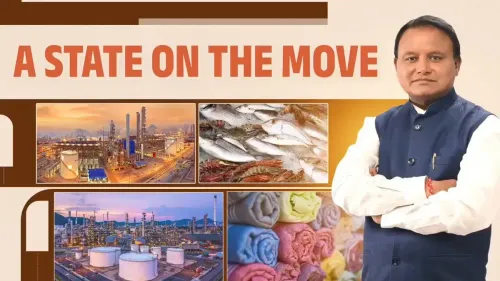
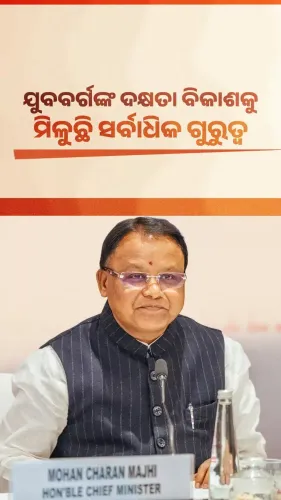
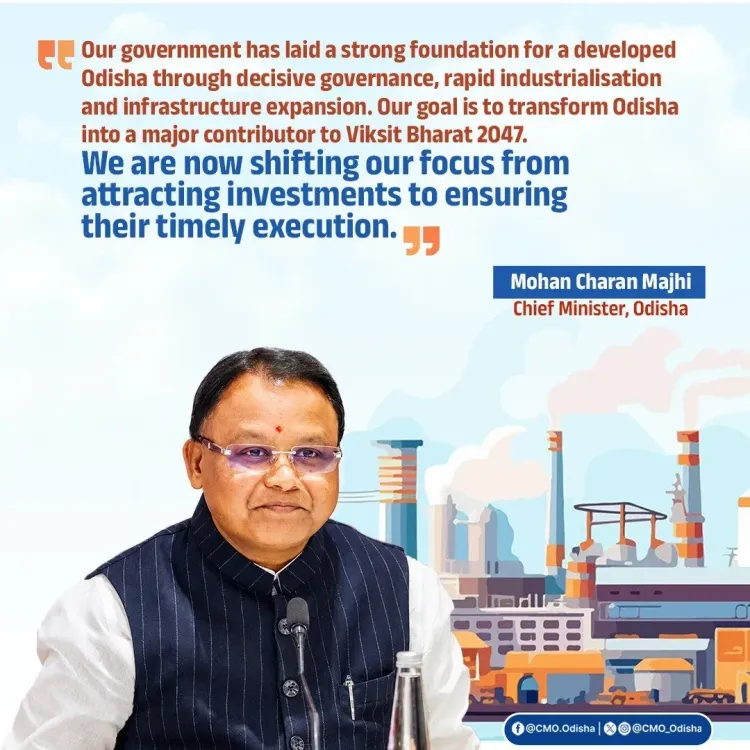
The Chief Minister's Office of Odisha on Friday, 10 July 2026 shared a statement from Chief Minister Mohan Charan Majhi positioning the eastern state as more than an investment destination, declaring it 'India's next growth frontier' anchored in world-class infrastructure and policy-driven governance.
Context
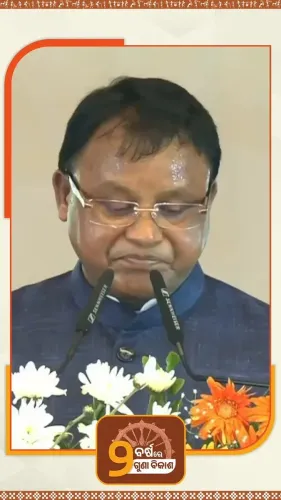
In the statement, CM Majhi said: 'Odisha is no longer just an investment destination; it is emerging as India's next growth frontier. With world-class infrastructure, policy-driven governance and a focus on execution, we are offering industries a long-term competitive advantage while contributing to the vision of Viksit Bharat 2047.'
The remarks signal a deliberate effort by the BJP-led Odisha government, which came to power in June 2024, to reframe the state's industrial identity — moving it from a resource supplier to a full-stack manufacturing and investment hub.
Policy Backdrop
Viksit Bharat 2047 is the national vision articulated by Prime Minister Narendra Modi in 2023, setting the goal of making India a developed economy by the centenary of its independence. State governments across the country have since aligned their industrial messaging and policy frameworks with this overarching target.
Odisha released an updated Industrial Policy Resolution in 2022, offering incentives for large-scale manufacturing and downstream industries. The state's natural advantages — significant mineral reserves, a long coastline with functioning ports, and established steel clusters — have historically made it a preferred destination for metals and heavy manufacturing investment.
CM Majhi's framing also echoes the Centre's Make in India initiative, launched in 2014, which has pushed states to compete on ease of doing business, single-window clearances, and infrastructure readiness.
Stakeholders and Impact
The primary audience for this messaging is industrial investors in sectors such as metals, petrochemicals, and manufacturing. By emphasising 'long-term competitive advantage,' the government is signalling policy stability — a key concern for capital-intensive industries that require decade-long planning horizons.
The approach mirrors the playbook used by Gujarat and Tamil Nadu in earlier years, where a combination of coastal or mineral advantages, predictable governance, and dedicated investment summits converted positioning into binding commitments. Eastern India, with lower land costs and proximity to Southeast Asian trade routes, is increasingly seen as the next theatre for this competition.
Workers and communities in Odisha's industrial corridors stand to benefit from sustained investment inflows, while the state government aims to broaden its tax base and generate employment beyond the primary sector.
What's Next
Attention will now turn to the next edition of the Make in Odisha investment summit and any fresh memoranda of understanding signed for large-scale units in metals, petrochemicals, or allied sectors. The credibility of CM Majhi's 'growth frontier' claim will ultimately be measured against the quantum and quality of investment commitments that follow such high-profile positioning.
As Indian states sharpen their competition for manufacturing capital ahead of 2047, Odisha's ability to convert its natural and policy advantages into on-ground execution will determine whether it leads the next wave of industrial growth or remains a statement of intent.
Point of View
Designed to reposition Odisha in the national and global industrial imagination at a moment when eastern India is gaining traction as a manufacturing alternative to saturated western corridors. By invoking Viksit Bharat 2047, the BJP state government simultaneously signals loyalty to the Centre's economic framework and claims co-ownership of a national aspiration — a dual dividend that strengthens both investor confidence and political messaging. The comparison with Gujarat and Tamil Nadu is implicit but pointed: Odisha is telling capital that it is ready to follow a proven script. Whether the state can sustain this positioning will depend on execution metrics — land acquisition timelines, clearance speeds, and actual MoU conversions — that will become visible over the next 12 to 24 months.
NationPress
10 Jul 2026
Frequently Asked Questions
What did Odisha CM Mohan Majhi say about the state's economy?
CM Mohan Majhi stated on 10 July 2026 that Odisha is 'no longer just an investment destination' but is emerging as 'India's next growth frontier,' citing world-class infrastructure, policy-driven governance and a focus on execution.
What is Viksit Bharat 2047 and how does Odisha fit in?
Viksit Bharat 2047 is Prime Minister Narendra Modi's national vision to make India a developed economy by 2047, the centenary of independence. Odisha's government has aligned its industrial policy with this framework, positioning the state as a key contributor to the goal.
What is Odisha's Industrial Policy Resolution?
Odisha released an updated Industrial Policy Resolution in 2022 that offers incentives for large-scale manufacturing and downstream industries, forming the policy backbone for attracting domestic and foreign investment.
Why is Odisha considered a good investment destination?
Odisha has significant mineral resources, functioning ports, established steel clusters and a coastline that offers logistics advantages. Combined with policy incentives and single-window clearance systems, these factors make it competitive for metals, manufacturing and petrochemical investment.
When did Mohan Majhi become Chief Minister of Odisha?
Mohan Charan Majhi became Chief Minister of Odisha in June 2024 following the BJP's victory in the state assembly elections, with industrial growth as a central plank of his administration.