CM Majhi: Odisha shifting from investment pledges to jobs
Synopsis
Odisha Chief Minister Mohan Charan Majhi says years of investment promises are giving way to factories and jobs under the people's government. He frames a chain from capital to industry to employment as the path to a prosperous Odisha.
Key Takeaways
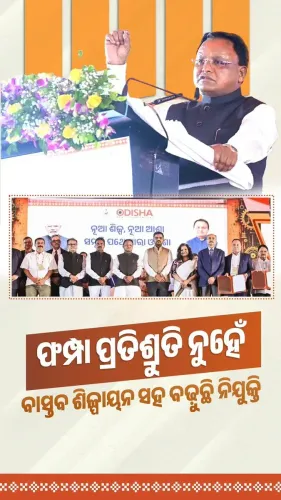
Odisha Chief Minister Mohan Charan Majhi said on 26 November 2026 that investment had long remained a promise with little visible on the ground.
He argued that under Lokanka Sarkar, the people's government, Odisha is shifting from announcements to industries and jobs.
Majhi became Chief Minister in June 2024 after the BJP ended 24 years of Biju Janata Dal rule led by Naveen Patnaik.
Make in Odisha conclaves in 2016 and 2022 were the previous government's flagship investment pitches; the 2022 event announced intentions exceeding Rs 10 lakh crore.
The post named no specific project, rupee figure or hiring target.
The next official snapshot of investment realisation and employment from approved projects will test the claim.
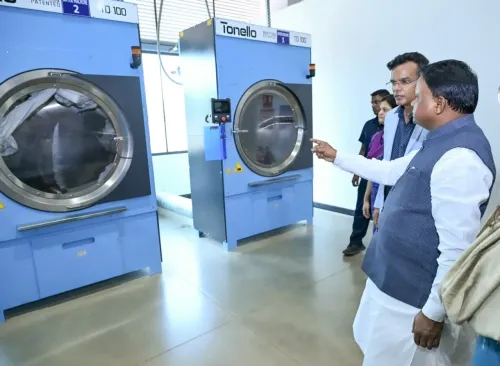
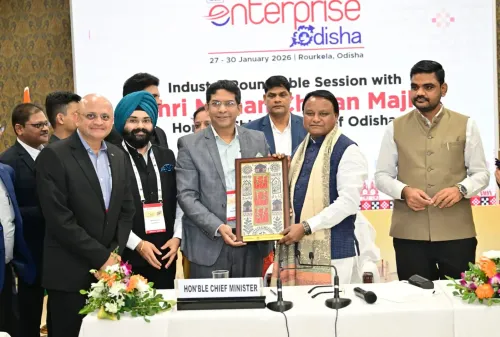
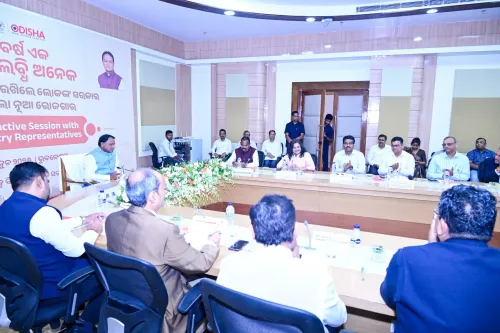
The investment pitch in Odisha used to end at the podium. On Thursday, Odisha Chief Minister Mohan Charan Majhi said that era is over — arguing from Bhubaneswar that his government is converting years of paper pledges into a chain that runs from capital to factory floor to payroll.
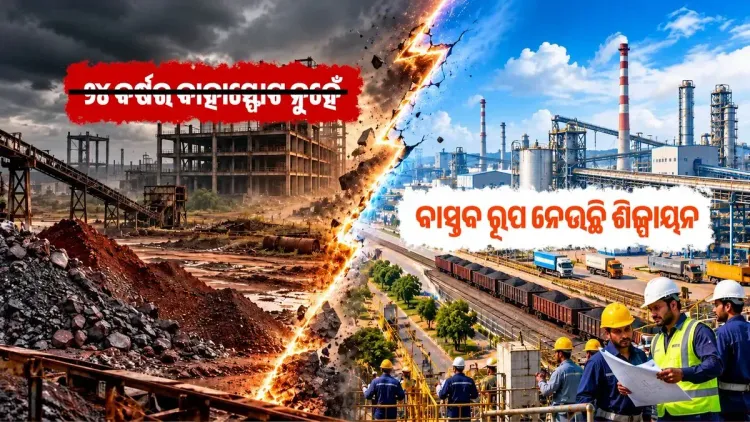
In a bilingual post on X on 26 November 2026, Majhi wrote that for years investment remained only a promise, with little visible on the ground. Under Lokanka Sarkar (people's government), he said, a clear shift from announcements to action is taking shape. His formula, in his own words: investment leading to industries, industries creating jobs, and Odisha moving toward prosperity.
He put the same claim in Odia first: years of investment talk, he said, had not shown results; today the change from declaration to reality is visible. The post named no plant, no rupee figure and no hiring target. It was a political and economic line in the sand.
A 24-year pitch meets a new political clock
The contrast is not accidental. Majhi, a BJP leader who became Chief Minister in June 2024 after the party ended Biju Janata Dal rule, has repeatedly framed his tenure against the long investment-promotion calendar of the previous government.
Naveen Patnaik led Odisha from 2000 to 2024. That stretch produced industrial policies — including the Odisha Industrial Policy 2015 and later amendments — aimed at steel, aluminium and downstream manufacturing, plus high-profile Make in Odisha conclaves in 2016 and 2022.
The 2022 conclave announced investment intentions exceeding Rs 10 lakh crore, with a thick file of MoUs for manufacturing and employment. The standing question around that model never changed: how much of the handshake became a shed, a kiln, a wage?
Investment, then industry, then a paycheque
Majhi's sequence is blunt. Money in. Industry up. Jobs out. That is the standard post-election narrative of converting pledges into ground-level projects — aimed at industrial investors and, more urgently, at Odisha's young workforce.
The state's industrial story has long been metals-heavy. Steel and aluminium still dominate the pitch. Majhi is not unveiling a new policy in this post. He is recasting delivery itself as the test: whether approved projects break ground, and whether the employment they promised actually arrives.
The realisation data that will settle the argument
Watchers of Odisha's industrial file will look for the next official snapshot of investment realisation and jobs generated from approved projects. Until those numbers land, Majhi's message is a claim, not a balance sheet.
A summit can print an MoU overnight. A job takes a factory gate that actually opens.
Point of View
The same slogan becomes a liability. Investors and young job-seekers will read the next realisation data more closely than another social-media pledge.
NationPress
26 Nov 2026
Frequently Asked Questions
What did Odisha CM Mohan Charan Majhi say about investment?
He said that for years investment stayed a promise with little visible on the ground, and that under the people's government Odisha is now moving from announcements to industries and jobs.
What does Lokanka Sarkar mean in Majhi's post?
Lokanka Sarkar is Odia for people's government, the phrase Majhi uses for the BJP-led state administration that took office in June 2024.
Who was Odisha Chief Minister before Mohan Charan Majhi?
Naveen Patnaik of the Biju Janata Dal governed Odisha from 2000 to 2024 before the BJP formed the government in June 2024.
What was announced at the Make in Odisha Conclave 2022?
The 2022 conclave announced investment intentions exceeding Rs 10 lakh crore, with an emphasis on manufacturing MoUs and employment.
Did Majhi name any new factory or job numbers in this post?
No. The post offered no project names, rupee figures or hiring targets; it restated a resolve that investment should become industry and industry should create jobs.