CM Majhi Prioritises Public Health as Odisha Flood Waters Recede
Synopsis
Odisha Chief Minister Mohan Charan Majhi has declared public health the top priority as floodwaters recede, ordering accelerated tube-well disinfection and safe drinking water distribution across affected areas to prevent waterborne disease outbreaks.
Key Takeaways
Odisha CM Mohan Charan Majhi announced the post-flood health response on 3 August 2026 .
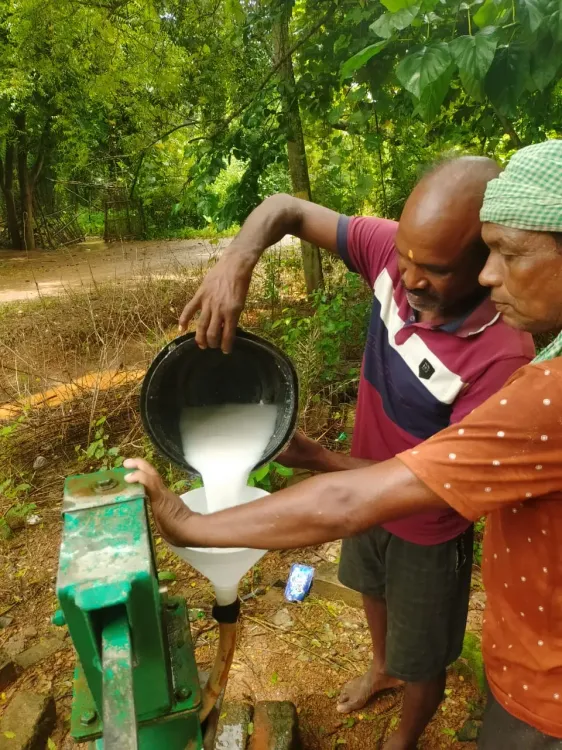
Tube-well and hand-pump sanitisation has been launched across waterlogged areas to prevent contamination.
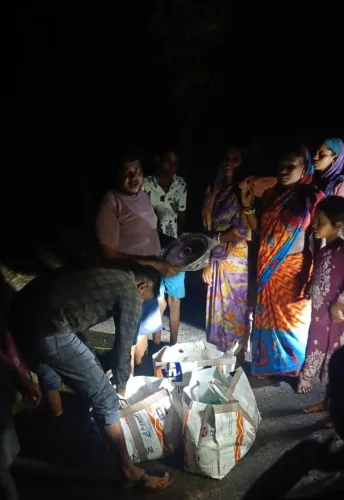
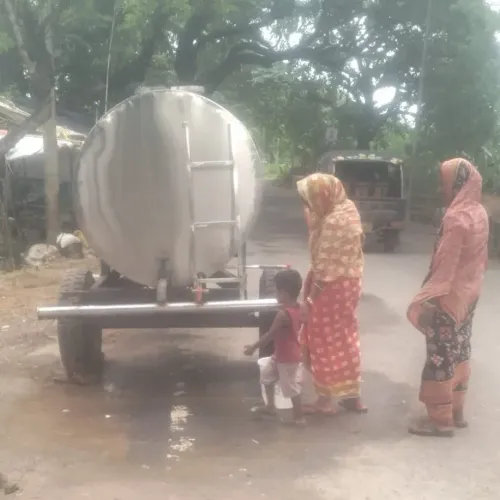
Safe drinking water distribution has been scaled up and accelerated in affected localities.
The administration has stated it remains 'fully alert' to protect citizen safety and health.
Odisha's post-flood health protocols are part of an established state disaster-response framework built over decades.
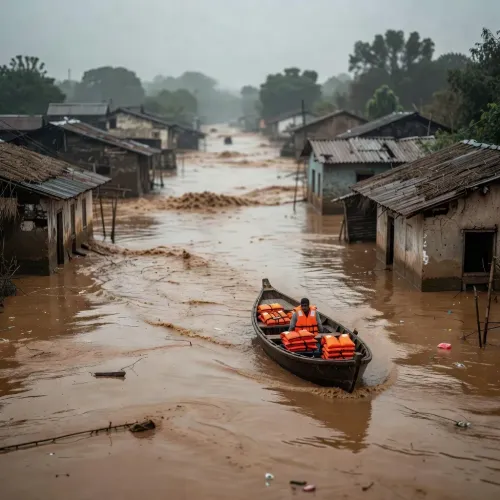
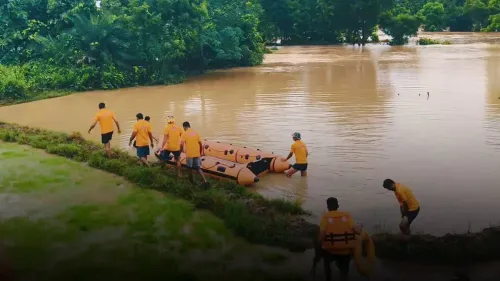
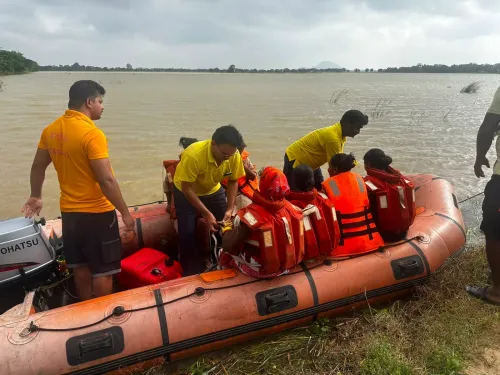
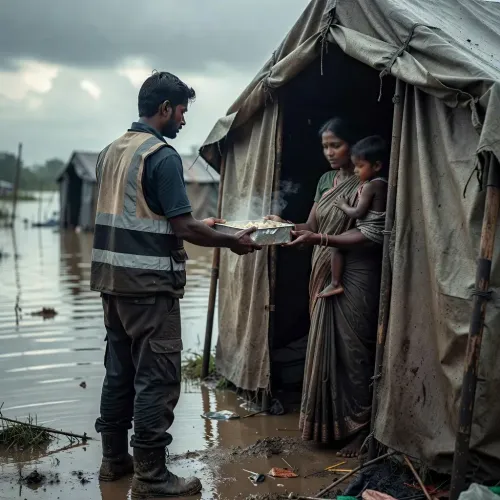
As floodwaters begin to recede across Odisha, the battle shifts from rescue to recovery — and Odisha Chief Minister Mohan Charan Majhi is making clean drinking water the centrepiece of the state's post-flood response.
Posting on Monday, 3 August 2026, Chief Minister Majhi announced that public health protection has been declared the top priority in affected areas. In his words: 'Even as the waterlogging situation improves, sanitation of tube-wells and widespread, accelerated distribution of safe drinking water has been scaled up. The administration remains fully alert and active to ensure the safety and health of citizens.'
Tube-Well Sanitisation at the Core of the Drive
The immediate risk after monsoon flooding is not the water itself — it is what the water leaves behind. Submerged tube-wells and hand pumps become vectors for contamination, seeding communities with cholera, typhoid, and acute diarrhoeal disease within days of waters receding. Majhi's administration has moved to chlorinate and disinfect these sources across affected localities while simultaneously pushing packaged and treated drinking water into the field. Odisha's coastal and low-lying geography makes this a near-annual ritual. Successive state governments have embedded well disinfection and emergency water distribution into standard disaster-response protocols — and the current administration is executing that playbook with visible urgency.A Pattern Built on Hard Lessons
Odisha has spent decades hardening its disaster-management machinery, and post-flood public health drives are among its most practised routines. The logic is straightforward: the window between floodwater retreat and the first outbreak of waterborne disease is narrow. Speed of sanitisation directly determines the scale of the health crisis that follows. By flagging this publicly, CM Majhi is also signalling to district administrations that health metrics — not just relief distribution — will be watched closely in the coming weeks. District-level reports on waterborne disease incidence and the completion status of tube-well cleaning drives in the weeks ahead will be the real measure of how effectively the response has been executed.Point of View
Not just relief optics, will define the government's monsoon report card. Odisha's disaster-management brand has been carefully built over two decades, and the BJP administration is visibly keen to maintain that reputation. The emphasis on speed and scale of the drinking water drive also reflects an awareness that post-flood disease outbreaks carry swift political costs. Whether the on-ground execution matches the stated urgency will become clear in district-level disease surveillance data over the coming weeks.
NationPress
3 Aug 2026
Frequently Asked Questions
What is Odisha CM Mohan Majhi doing after the floods?
CM Mohan Charan Majhi has directed the administration to prioritise public health in flood-affected areas, focusing on tube-well disinfection and accelerated safe drinking water distribution as floodwaters recede.
Why is tube-well sanitisation important after flooding in Odisha?
Submerged tube-wells can become contaminated with pathogens that cause cholera, typhoid, and diarrhoeal diseases. Chlorinating and cleaning them quickly after waters recede is critical to preventing outbreaks.
Which areas in Odisha are affected by waterlogging in 2026?
Specific districts have not been officially confirmed in available information, but Odisha's coastal and low-lying regions are historically the most vulnerable to monsoon waterlogging each year.
How does Odisha handle public health after floods?
Odisha follows established state disaster protocols that include well disinfection, emergency drinking water distribution, and disease surveillance — a system refined over decades of managing cyclone and flood events.
What waterborne diseases are common after flooding in Odisha?
Acute diarrhoeal disease, cholera, and typhoid are the most common waterborne illnesses that emerge in the weeks following flood and waterlogging events in Odisha.