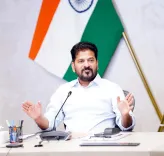
CM Majhi Invites Devotees as Puri Readies for Rath Yatra
Synopsis
Odisha Chief Minister Mohan Charan Majhi declared Puri's Shri Kshetra ready for Rath Yatra on 16 July 2026, inviting crores of devotees to witness the chariot festival and seek Lord Jagannath's divine presence. The state government oversees logistics and security for one of India's largest annual religious gatherings.
Key Takeaways
CM Mohan Charan Majhi posted on 16 July 2026 that Puri 's Shri Kshetra is fully prepared for Rath Yatra .
He invited crores of devotees to seek the divine darshan of Lord Jagannath (referred to by the epithet Kalia Saanta ).
The Rath Yatra is one of India's largest annual religious gatherings, drawing millions to Puri each year.
The Shree Jagannath Temple Administration coordinates the festival under the Shri Jagannath Temple Act of 1955 .
Successive Odisha chief ministers have publicly facilitated the festival, linking it to cultural heritage and tourism.
CM Majhi has been in office since June 2024 following the BJP 's assembly election win in Odisha.
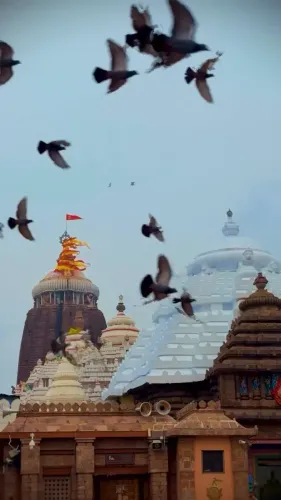
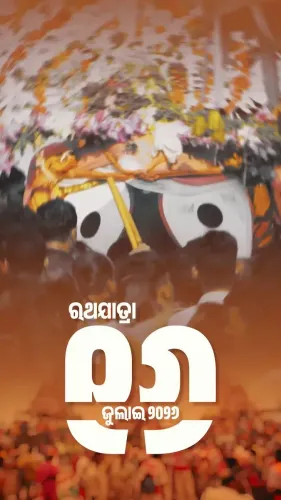
Odisha Chief Minister Mohan Charan Majhi on Thursday, 16 July 2026, extended an open invitation to devotees across the country to witness the Rath Yatra at Puri, declaring that Shri Kshetra — the sacred precinct of the Jagannath Temple — stands fully prepared for the grand chariot festival.
Writing in Odia, the Chief Minister said: 'Bhakti, bishwas o adhyatmikatara sarbasreshtha mahaparbba Rathayatra pai samagra Shrikshetra prastuta' — ('The entire Shri Kshetra is ready for Rath Yatra, the greatest festival of devotion, faith and spirituality'). He added that the long wait of crores of devotees for the divine darshan of Kalia Saanta — a beloved epithet for Lord Jagannath — is now coming to an end. The post concluded with the customary invocation: 'Jai Jagannath.'
Context
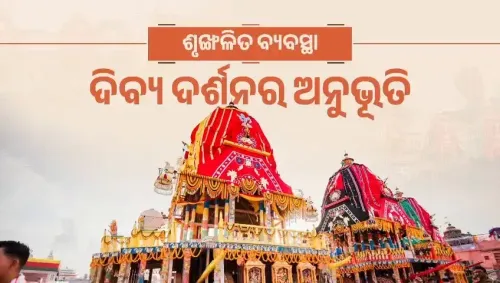
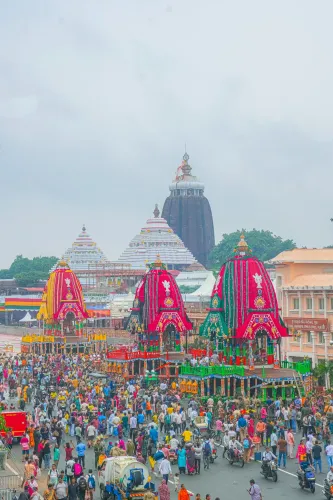
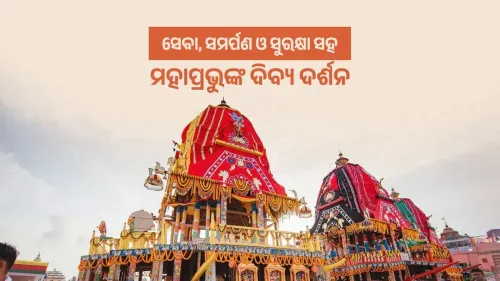
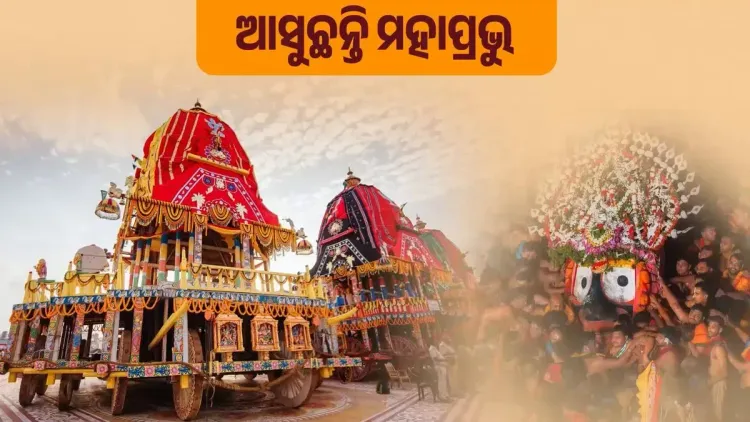
The Rath Yatra is one of India's oldest and largest annual religious gatherings, held each year in Puri along the Bada Danda (Grand Road). The festival sees millions of pilgrims converge on the coastal town to pull the towering wooden chariots of Lord Jagannath, his sister Devi Subhadra, and his brother Lord Balabhadra. The state government, through the Shree Jagannath Temple Administration, coordinates logistics, security and crowd management for the event under the framework of the Shri Jagannath Temple Act of 1955.
Policy Backdrop
Successive Odisha administrations have maintained an active role in facilitating the Rath Yatra, treating it simultaneously as a matter of cultural heritage, religious duty and tourism promotion. Chief ministers routinely issue public statements ahead of the festival, signalling the government's preparedness and encouraging participation. CM Majhi, who assumed office in June 2024 after the BJP's assembly election victory, has continued this tradition, reinforcing the party's emphasis on cultural and religious identity in governance.
Stakeholders and Impact
The primary stakeholders are the crores of pilgrims — domestic and international — who travel to Puri for the darshan, as well as residents, hoteliers, traders and transport operators whose livelihoods are closely tied to the festival season. The Jagannath Temple Administration and state police bear the operational burden of managing one of India's densest annual crowd events. For Puri and the broader Odisha economy, the Rath Yatra represents a significant influx of pilgrimage-linked spending each year.
What's Next
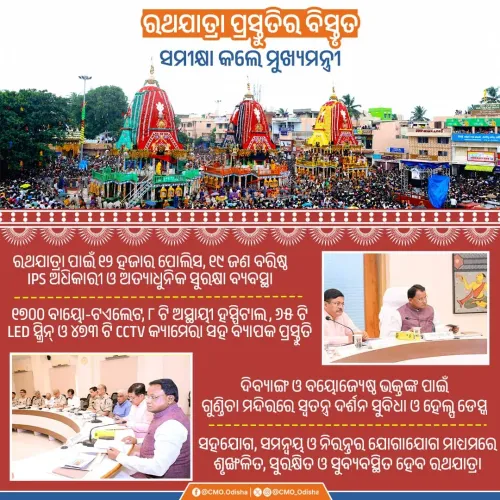
Authorities are expected to release updates on security deployments, darshan protocols and crowd-management arrangements in the days surrounding the festival. The Jagannath Temple Administration is also likely to issue guidelines for pilgrims on entry procedures and facilities. Post-festival, a review of infrastructure and logistics is standard practice, with findings often informing preparations for the following year's edition.
The Rath Yatra's scale and visibility make it a bellwether for the state government's administrative capacity — and CM Majhi's public call for devotees to participate with 'devotion, faith and surrender' sets an expectant tone for what is shaping up to be another landmark edition of the festival.
Point of View
Which has made cultural and religious identity central to its governance brand since taking power in the state in 2024. By personally inviting devotees and invoking the language of devotion and surrender, Majhi is simultaneously performing a religious duty and reinforcing the party's cultural positioning ahead of what is always a high-visibility event. The post signals that the state sees the Rath Yatra not merely as a logistical challenge but as a political and cultural asset worth amplifying at the highest level.
NationPress
15 Oct 2026
Frequently Asked Questions
When is Rath Yatra 2026 in Puri?
Rath Yatra 2026 in Puri falls in July 2026. Odisha CM Mohan Charan Majhi confirmed on 16 July 2026 that Shri Kshetra is fully prepared for the festival.
What is Rath Yatra and why is it celebrated?
Rath Yatra is an annual Hindu chariot festival held in Puri, Odisha , in which the wooden chariots of Lord Jagannath , Devi Subhadra and Lord Balabhadra are pulled by devotees along the Grand Road. It is one of the oldest and largest religious gatherings in India, drawing crores of pilgrims each year.
Who is Mohan Charan Majhi?
Mohan Charan Majhi is the Chief Minister of Odisha and a BJP leader who assumed office in June 2024 after the party's victory in the state assembly elections.
What is Kalia Saanta, the name used by CM Majhi?
'Kalia Saanta' is a beloved Odia epithet for Lord Jagannath , the presiding deity of the Jagannath Temple in Puri . CM Majhi used the term in his post to invoke the divine darshan that crores of devotees await during Rath Yatra.
How does the Odisha government manage Rath Yatra?
The Shree Jagannath Temple Administration , operating under the Shri Jagannath Temple Act of 1955 , coordinates the festival in partnership with state police and district authorities, overseeing security, crowd management, darshan protocols and pilgrim facilities.