CM Majhi Restores Student Union Polls, Cites Viksit Bharat
Synopsis
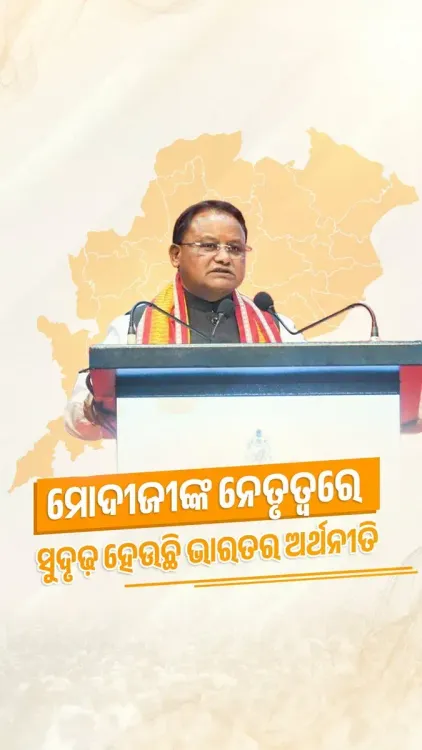
Odisha Chief Minister Mohan Charan Majhi announced the restoration of student union elections on 19 October 2026, fulfilling a 2024 BJP manifesto pledge and linking campus democracy to PM Modi's Viksit Bharat vision for a developed India by 2047.
Key Takeaways
Odisha CM Mohan Charan Majhi announced the restoration of student union elections in colleges across the state on 19 October 2026 .
The move fulfils an explicit BJP manifesto commitment made during the 2024 Odisha assembly elections , which ended the BJD's long rule.
Majhi cited guidance from Prime Minister Narendra Modi and the 'double engine government' framework as driving forces behind the decision.
The announcement directly links campus-level democracy to the national Viksit Bharat vision of making India a developed nation by 2047 .
Rollout timelines and conduct guidelines for the restored elections across Odisha's colleges are yet to be detailed by the state's higher education department.
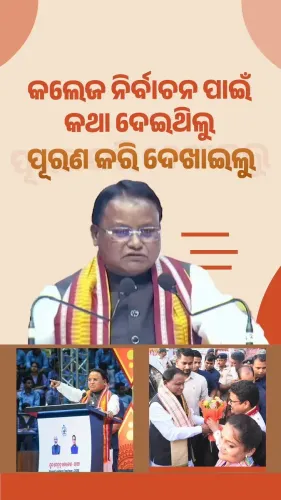
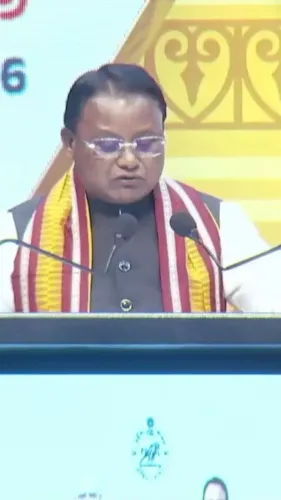
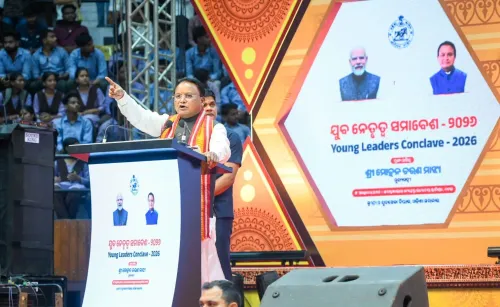
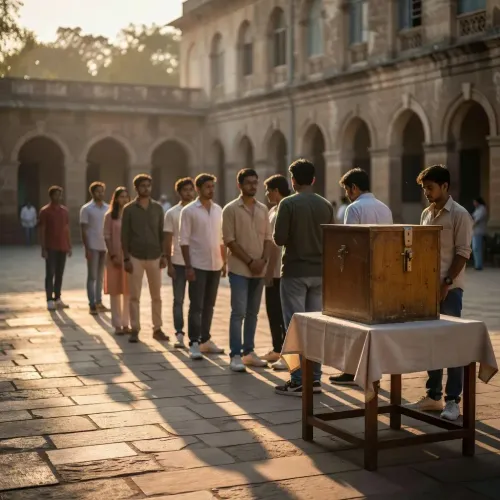
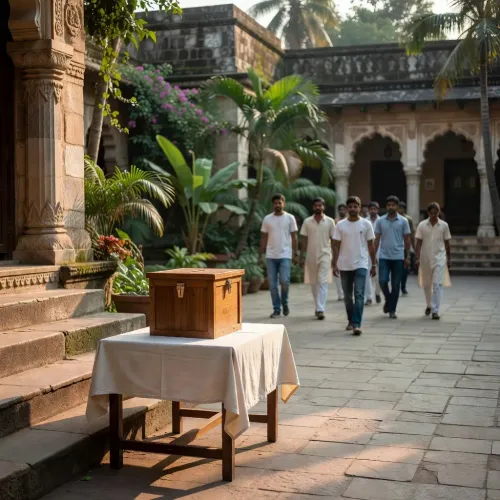
A campaign promise just became policy. Odisha Chief Minister Mohan Charan Majhi announced on Monday, 19 October 2026 that his government has fulfilled its commitment to restore student union elections in the state's colleges and universities — framing the move as a deliberate investment in campus democracy and the next generation of Odisha's leadership.
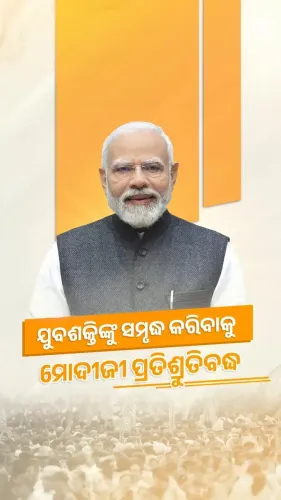
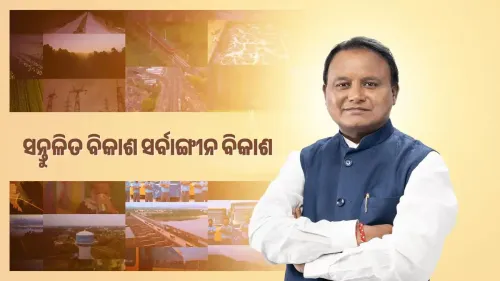
Writing in both Odia and English on X, CM Majhi declared: 'By restoring student union elections, we are strengthening campus democracy and nurturing future leaders for a prosperous Odisha and Viksit Bharat.' He tied the step to the 'double engine government' framework — the BJP's shorthand for aligned governance between a state administration and the Narendra Modi-led Centre — crediting the Prime Minister's guidance as the driving force behind the broader push for youth empowerment, education, and infrastructure development in the state.
A Manifesto Promise Cashed In
When the BJP swept Odisha's assembly elections in 2024, ending Naveen Patnaik's BJD government's long run, its manifesto carried an explicit pledge to revive student union elections. Restoring these polls matters because student bodies across Indian campuses had, in many states, either been suspended or reduced to formality over years of institutional inertia and political concerns about campus unrest. The BJP's bet in Odisha is the opposite: that structured, elected student representation builds civic muscle rather than friction.
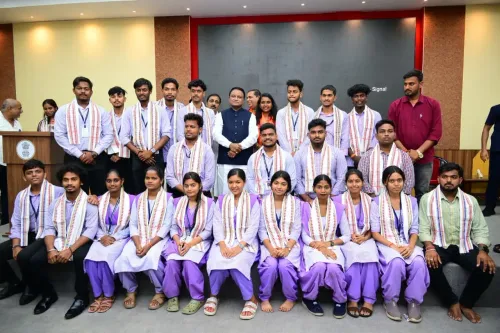
For university students and youth organisations across the state, the restoration signals a return of formal democratic processes to campuses — an arena where many of India's political figures first learned to organise, debate, and lead.
Youth Power as the Spine of 'Viksit Bharat'
CM Majhi's post places this local governance decision inside a much larger frame. Viksit Bharat — the central government's vision for India to become a developed nation by 2047 — demands a pipeline of educated, civically engaged young people. By positioning Odisha's campus elections as a feeder into that national ambition, Majhi is arguing that democratic practice at the college level is not a distraction from development but a prerequisite for it.
In Odia, he wrote: 'ଆଜିର ଛାତ୍ରଛାତ୍ରୀ ହିଁ ଆସନ୍ତାକାଲିର ସମୃଦ୍ଧ ଓଡ଼ିଶା ଓ ବିକଶିତ ଭାରତର ନେତୃତ୍ୱ ନେବେ' — 'Today's students will lead tomorrow's prosperous Odisha and developed India.' The line doubles as political doctrine: student empowerment is not symbolic goodwill; it is infrastructure for the future.
The immediate question now is execution. When exactly elections will be held across Odisha's colleges, what the new conduct guidelines will look like, and how the state ensures these polls are free and fair — those details will determine whether the promise translates into genuine democratic renewal or remains a headline. Watch for the rollout calendar from the state's higher education department in the weeks ahead.
Point of View
Making the Centre a co-author of every local win. The emphasis on campus democracy also serves a dual purpose — it signals institutional normalcy after years of BJD rule while simultaneously cultivating a fresh generation of BJP-aligned student leaders. Whether the restored elections are conducted freely and without partisan interference will be the real test of the governance narrative Majhi is building.
NationPress
19 Oct 2026
Frequently Asked Questions
Has Odisha restored student union elections?
Yes. Odisha Chief Minister Mohan Charan Majhi announced on 19 October 2026 that the state government has restored student union elections in colleges and universities, fulfilling a BJP manifesto pledge from the 2024 assembly elections.
Why were student union elections stopped in Odisha?
The exact period and reasons for the suspension of student union elections in Odisha have not been officially detailed in the announcement. The BJP's 2024 election manifesto had promised to revive them, implying they had lapsed or been discontinued before the new government took office.
What is the 'double engine government' Mohan Majhi refers to?
'Double engine government' is a BJP political phrase referring to the alignment between a BJP-ruled state government and the BJP-led central government under PM Narendra Modi, implying coordinated momentum for development.
What is Viksit Bharat and how does it connect to Odisha student elections?
Viksit Bharat is the central government's vision for India to become a fully developed nation by 2047. CM Majhi linked the restoration of student elections to this goal by arguing that civically trained young leaders at the campus level will drive Odisha's and India's future development.
When will Odisha college student union elections actually be held?
Specific dates and a conduct schedule for the restored elections have not yet been announced. The state higher education department is expected to release rollout timelines and guidelines in the coming weeks.