CM Majhi Marks 2 Years, Vows Balanced Growth for North Odisha
Synopsis
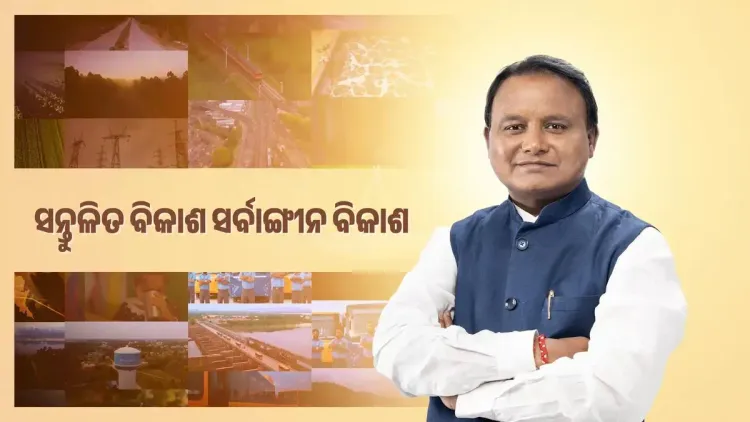
On his government's second anniversary, Odisha Chief Minister Mohan Charan Majhi pledged integrated development for Mayurbhanj and North Odisha, asserting that projects once limited to promises are now becoming reality under BJP rule since June 2024.
Key Takeaways
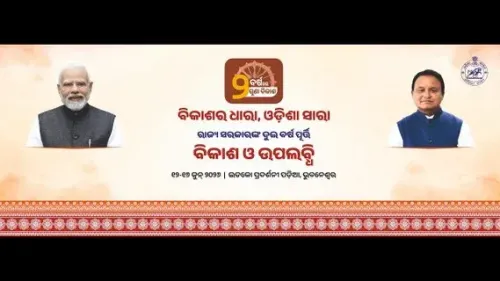
Odisha CM Mohan Charan Majhi marked two years of the BJP-led state government on 11 June 2026 .
The government has identified Mayurbhanj and North Odisha as priority regions for large-scale project investment.
Majhi stated that development previously confined to 'paper and promises' is now taking real shape on the ground.
The BJP won 78 seats in the 2024 Odisha assembly elections, ending 24 years of BJD rule.
Bridging the development gap between coastal districts and interior northern regions is a core governance theme of the current administration.
Fund utilisation and project delivery in Mayurbhanj during the 2026-27 budget cycle will be a key indicator of progress.
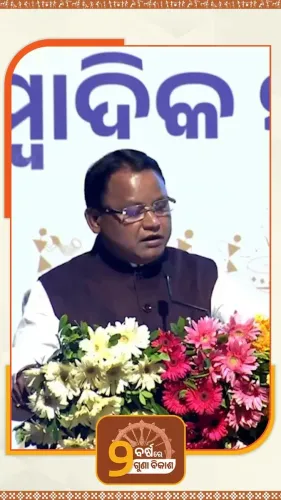
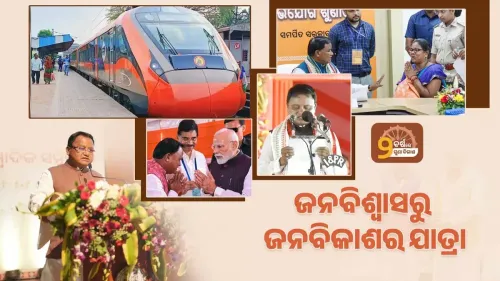
Odisha Chief Minister Mohan Charan Majhi on Thursday, 11 June 2026 reaffirmed his government's commitment to balanced regional development, highlighting large-scale projects initiated in Mayurbhanj and North Odisha as proof that earlier promises are now taking concrete shape. The post, shared on the occasion of the government's two-year anniversary, declared that development once confined to paper and pledges had become reality on the ground.
Context
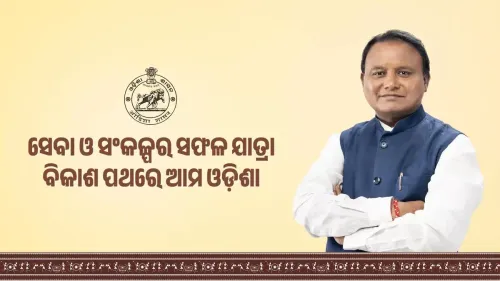
Writing in Odia, Chief Minister Majhi stated: 'ଏକ ସୁସ୍ଥ, ସମୃଦ୍ଧ ଓ ପ୍ରଗତିଶୀଳ ଓଡ଼ିଶା ଗଠନ ଆମ ସରକାରଙ୍କ ମୂଳ ଲକ୍ଷ୍ୟ' ['Building a healthy, prosperous and progressive Odisha is the core objective of our government']. He added that every region of the state was being given equal importance, paving the way for integrated development across all sectors. The post carried the hashtags #2YearsofLokankaSarakar and #BikasharaDharaOdishaSara, marking two years of the BJP-led state government.
The BJP came to power in Odisha in June 2024, winning 78 seats in the assembly elections and ending 24 years of BJD rule under former Chief Minister Naveen Patnaik. Majhi's government has since positioned regional equity — particularly bridging the gap between coastal districts and the interior north — as a central plank of its governance agenda.
Policy Backdrop
Mayurbhanj, Odisha's largest district by area, has a predominantly tribal population and has historically lagged behind the more prosperous coastal belt in infrastructure, healthcare, and industrial investment. The current administration has repeatedly cited the district and the broader North Odisha region as priority zones for public spending and project rollout. Majhi's post specifically noted that 'various large projects' launched for the holistic development of Mayurbhanj and North Odisha would transform the living standards of residents in those areas.
The government's framing — contrasting past promises with present execution — is a direct political counter to the BJD's long tenure, during which critics argued that interior and tribal districts received disproportionately less attention than coastal urban centres. This messaging has been consistent since the BJP's 2024 election campaign.
Stakeholders and Impact
The primary beneficiaries cited are residents of North Odisha, including the large tribal communities of Mayurbhanj. Improved infrastructure, connectivity, and welfare delivery in these areas would have direct implications for livelihoods, access to healthcare, and economic mobility for some of the state's most underserved populations. The Chief Minister's post pledged to ensure that 'true development reaches from the coast to the remotest corner' — 'ଉପକୂଳରୁ ଉପାନ୍ତ ପର୍ଯ୍ୟନ୍ନ'.
Politically, sustained investment in tribal and interior districts is also significant for the BJP, which has been working to consolidate its electoral base in regions that were once strongholds of the BJD. Tribal communities across North Odisha constitute a sizeable vote bloc ahead of future assembly cycles.
What's Next
The critical measure will be whether fund utilisation and project completion timelines for Mayurbhanj and neighbouring northern districts keep pace with the government's rhetoric as the 2026-27 budget cycle progresses. Implementation audits and ground-level delivery reports will determine whether the 'paper to reality' narrative holds up to scrutiny. Analysts will watch for concrete project inaugurations, budget allocations, and tribal welfare outcomes as the government enters its third year.
Point of View
A historically sensitive fault line in Odisha politics. The emphasis on Mayurbhanj and North Odisha signals a deliberate effort to deepen the party's footprint in tribal and interior constituencies that were once reliable BJD territory. This mirrors a broader BJP playbook seen in states like Jharkhand and Chhattisgarh, where post-election governance messaging prioritises visible outreach to marginalised regions. The real test, however, lies in verifiable project outcomes before the next electoral cycle.
NationPress
14 Sept 2026
Frequently Asked Questions
Who is Mohan Charan Majhi and when did he become Odisha Chief Minister?
Mohan Charan Majhi is a BJP leader who became Chief Minister of Odisha in June 2024 after the party won 78 seats in the state assembly elections, ending 24 years of BJD rule.
What is the significance of the #2YearsofLokankaSarakar hashtag?
The hashtag marks the second anniversary of the BJP-led Odisha government, with 'Lokanka Sarkar' translating broadly to 'people's government' in Odia.
Why is Mayurbhanj important for Odisha's development agenda?
Mayurbhanj is Odisha's largest district by area and has a predominantly tribal population that has historically received less infrastructure investment than coastal districts, making it a priority zone for the current government.
What development projects has the Odisha government launched in North Odisha?
CM Majhi referenced 'various large projects' for Mayurbhanj and North Odisha in his post, though specific project names, timelines, and funding details have not been officially detailed in this announcement.
How does the BJP government's approach to North Odisha differ from the previous BJD government?
The BJP government has positioned regional equity — particularly closing the development gap between coastal and interior northern districts — as a central policy priority, contrasting with critics' claims that the BJD era saw disproportionate focus on coastal urban areas.