CM Majhi seeks UNESCO tag for Puri Rath Yatra
Synopsis
Odisha Chief Minister Mohan Charan Majhi has formally appealed to Union Culture Minister Gajendra Singh Shekhawat to support a UNESCO Intangible Cultural Heritage nomination for the Puri Rath Yatra, calling the festival a universal symbol of equality and fraternity.
Key Takeaways
CM Mohan Charan Majhi publicly requested Union Culture Minister Gajendra Singh Shekhawat to support a UNESCO Intangible Cultural Heritage nomination for the Puri Rath Yatra on 3 August 2026 .
The post tagged the Prime Minister's Office , indicating the CM is seeking the highest level of central government backing.
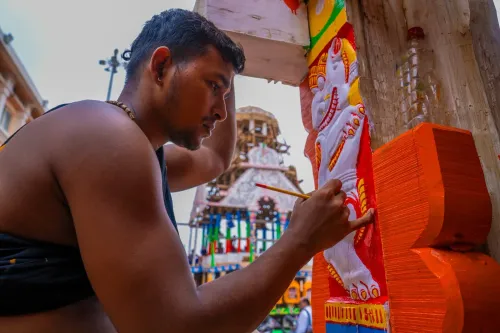
Majhi honoured hereditary chariot-builders ( Maharanas ) and temple servitors ( sevayats ) as the living custodians of the tradition.
India has previously secured UNESCO intangible heritage inscriptions for Kumbh Mela (2017) and Durga Puja (2021) after ratifying the Convention in 2005 .
The critical next step is a formal nomination dossier submitted by India to UNESCO's Intergovernmental Committee .
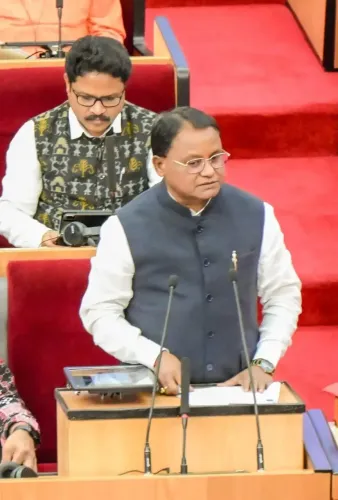
Two words — Jai Jagannath — carry the weight of an entire civilisation. On Monday, 3 August 2026, Odisha Chief Minister Mohan Charan Majhi turned those words into a diplomatic ask, publicly calling on Union Culture Minister Gajendra Singh Shekhawat to support a bid for UNESCO's Intangible Cultural Heritage of Humanity recognition for the world-famous Puri Rath Yatra.
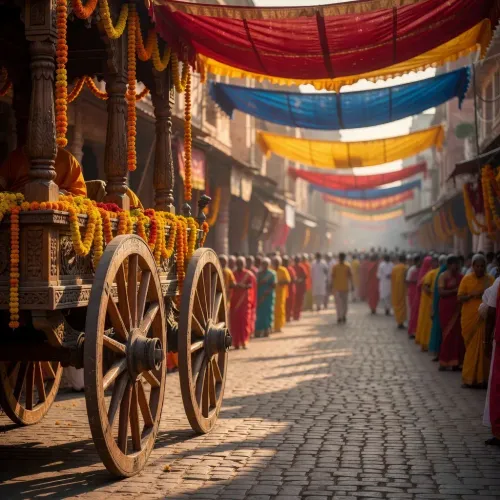
Writing in Odia, CM Majhi framed the Rath Yatra not merely as a religious procession but as 'the greatest symbol of equality and unconditional love for humanity.' He described the moment devotees' tears and chants merge in the dust of Badadanda — Puri's Grand Road — as 'an extraordinary chapter being written.' The post tagged both Shekhawat's handle and the Prime Minister's Office, signalling the CM is seeking the highest level of federal support.
What a UNESCO inscription would mean for Puri
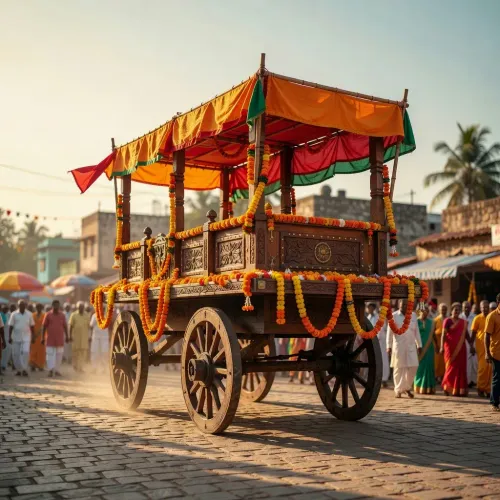
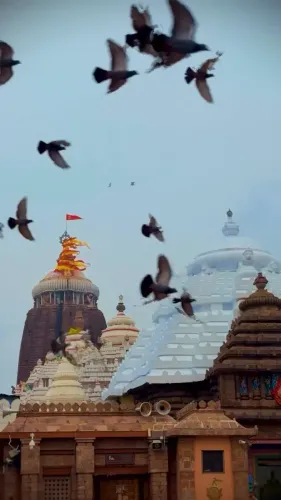
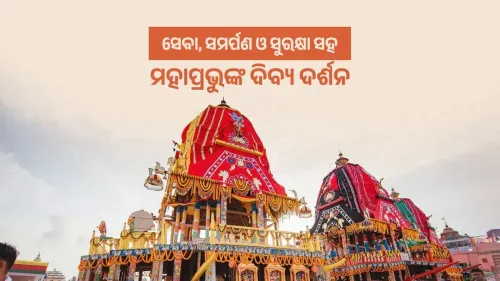
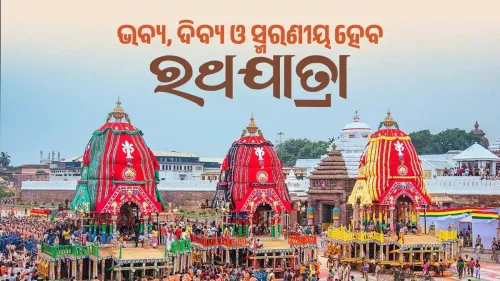
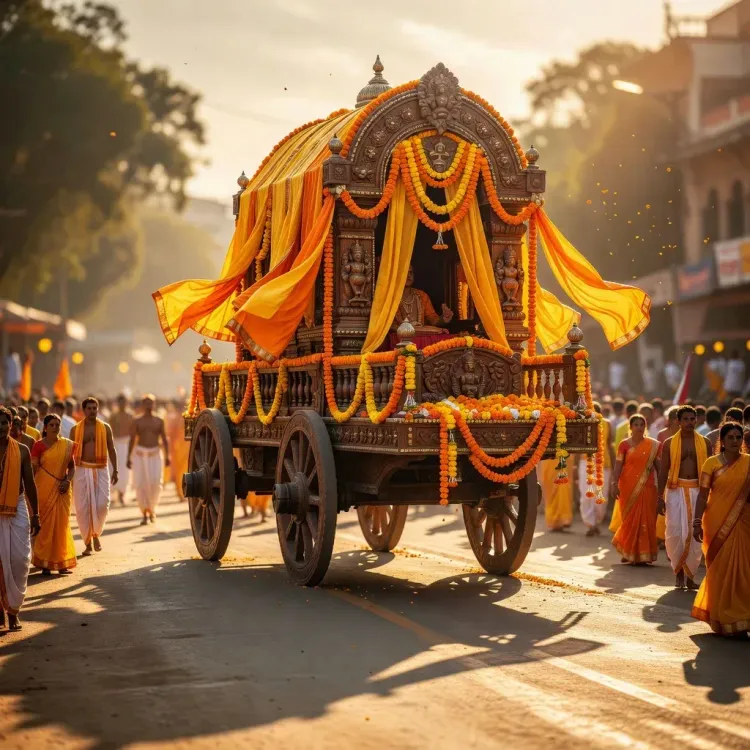
The Jagannath Temple in Puri, a 12th-century structure at the heart of this tradition, draws millions of devotees each year for the annual chariot procession. CM Majhi specifically honoured three groups who keep the tradition alive: the Maharanas — hereditary craftsmen who build the chariots across generations — the sevayats (temple servitors), and Jagannath devotees spread across every corner of the world.
A UNESCO Intangible Cultural Heritage listing would place the Rath Yatra alongside Kumbh Mela, inscribed in 2017, and Durga Puja, inscribed in 2021 — India's most recent additions to the list since ratifying the UNESCO Convention for the Safeguarding of Intangible Cultural Heritage in 2005. The recognition would give Puri's festival a formal global platform, amplifying its reach and the international visibility of Odisha's artisan communities.
Odisha's push inside India's cultural diplomacy playbook
India has steadily built its UNESCO intangible heritage portfolio as a tool of cultural diplomacy, with state governments routinely partnering with the Union Ministry of Culture to assemble nomination dossiers. CM Majhi's public appeal follows that established playbook — using political visibility to accelerate a process that requires coordinated federal paperwork before a formal submission reaches UNESCO's Intergovernmental Committee for the Safeguarding of the Intangible Cultural Heritage.
The next step to watch is whether the Culture Ministry formally initiates a nomination dossier — the detailed document UNESCO requires before any inscription can be considered. That process, once begun, typically unfolds over one to two annual committee cycles.
For millions of devotees who chant Jai Jagannath from Puri to every continent, the Chief Minister's ask is simple: let the world formally recognise what they have always known.
Point of View
Especially in a state the party won for the first time in 2024. The explicit tagging of the PMO alongside the Culture Ministry suggests Majhi is looking to fast-track federal buy-in rather than wait for routine bureaucratic channels. Whether the Centre responds with a formal dossier process will be the real measure of this bid's momentum.
NationPress
3 Aug 2026
Frequently Asked Questions
What is the Puri Rath Yatra and why is it significant?
The Puri Rath Yatra is an annual chariot festival held at the Jagannath Temple in Puri, Odisha , one of India's most sacred sites. Millions of devotees from across the world gather each year to witness the deities pulled along Badadanda , the Grand Road, on massive wooden chariots built by hereditary craftsmen called Maharanas.
What did CM Majhi request regarding UNESCO?
Odisha Chief Minister Mohan Charan Majhi has requested Union Culture Minister Gajendra Singh Shekhawat to support India's nomination of the Puri Rath Yatra for inclusion in UNESCO's Intangible Cultural Heritage of Humanity list, calling it a symbol of equality and universal brotherhood.
Which Indian festivals already have UNESCO Intangible Cultural Heritage status?
India has secured UNESCO intangible heritage inscriptions for Kumbh Mela in 2017 and Durga Puja in 2021 , among others, after ratifying the UNESCO Convention for the Safeguarding of Intangible Cultural Heritage in 2005 .
What is the process for getting UNESCO Intangible Cultural Heritage recognition?
A country must first prepare and submit a formal nomination dossier to UNESCO's Intergovernmental Committee for the Safeguarding of the Intangible Cultural Heritage . The committee reviews submissions across annual sessions before granting inscription. State governments typically coordinate with the Union Ministry of Culture to build the nomination.
Who are the Maharanas and sevayats mentioned by CM Majhi?
Maharanas are hereditary craftsmen in Odisha who build the giant wooden chariots for the Rath Yatra across generations, passing down the craft as a sacred duty. Sevayats are the traditional temple servitors of the Jagannath Temple, Puri , who perform ritualised services for the deity.