CM Majhi heads to Delhi to woo industry giants for Odisha

Synopsis
Odisha Chief Minister Mohan Charan Majhi left for New Delhi on 6 August 2026 to meet top industrialists and sign MoUs with NALCO, Indian Oil Corporation, Jindal Steel, and Haier India across steel, aluminium, refining, consumer goods, and textiles sectors.
Key Takeaways
CM Mohan Charan Majhi departed for New Delhi on 6 August 2026 on a pre-scheduled investment outreach visit.
MoUs are expected to be signed with NALCO, Haier India, Indian Oil Corporation, and Jindal Steel .
Target sectors include food processing, aluminium, steel, consumer products, refining, and textiles .
The initiative aims to create large-scale youth employment across Odisha's industrial districts.
Odisha's reserves of iron ore, bauxite, and coal underpin its long-standing appeal to metal and energy investors.
The visit aligns with the national Make in India framework and the BJP government's push to establish economic momentum since its 2024 election victory.
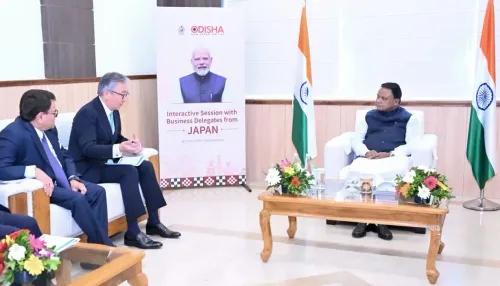
A new chapter in Odisha's industrial ambitions opened on Thursday, 6 August 2026, as Odisha Chief Minister Mohan Charan Majhi departed for New Delhi to hold high-stakes investment talks with some of India's most powerful corporate names — meetings he says will add 'a new page' to the state's industrial journey.
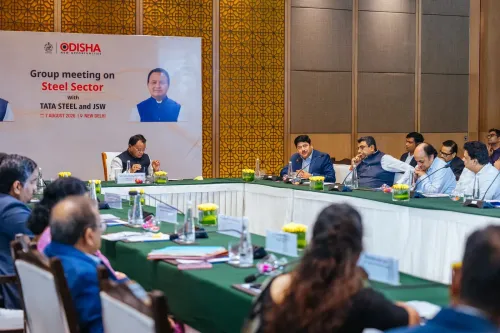
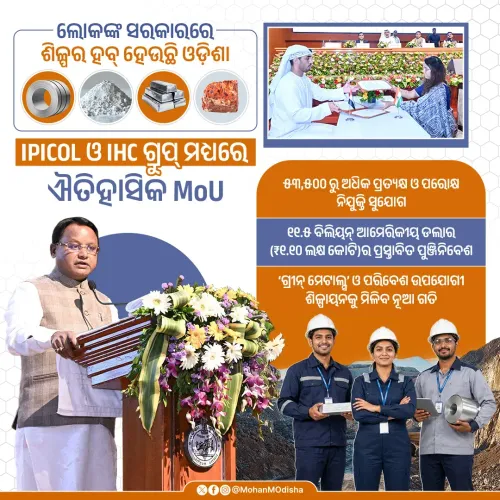
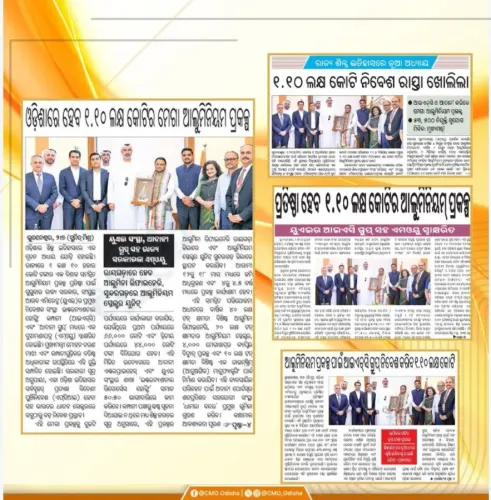
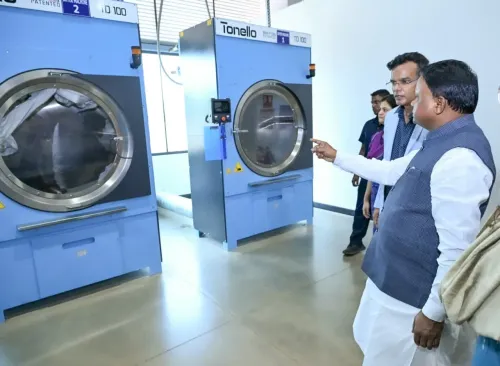
In a post on X, CM Majhi wrote: 'Amara sarakaranka drudha icchhashakti o druta karyayanvayan, Odishaare eka nutana shilpa biplab arambha karichi' — ('Our government's firm resolve and swift implementation have begun a new industrial revolution in Odisha.') He confirmed that discussions and Memoranda of Understanding (MoUs) are expected to be signed with companies including NALCO, Haier India, Indian Oil Corporation, and Jindal Steel, spanning sectors from food processing and textiles to aluminium, steel, consumer products, and refining.
The companies on the table — and what they bring to Odisha
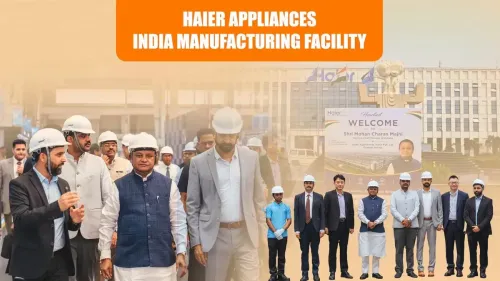
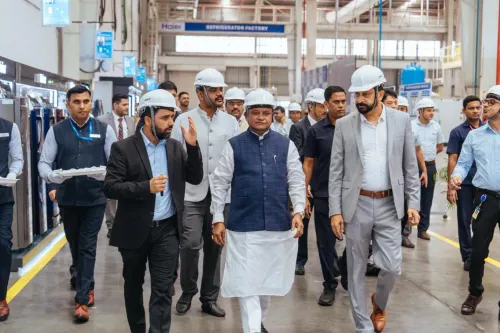
NALCO (National Aluminium Company Limited) is a central public-sector undertaking with deep roots in Odisha — its bauxite mines and aluminium smelters are among the largest in Asia. Indian Oil Corporation operates the Paradip Refinery, one of India's biggest, already anchoring Odisha's energy sector. Jindal Steel has existing and expanding plants in the state's mineral-rich interior districts. The addition of Haier India to the list signals a push beyond heavy industry into consumer electronics manufacturing — a deliberate diversification play.
Odisha's endowment of iron ore, bauxite, and coal has made it a magnet for metal and energy projects for over two decades. What the current government is attempting, however, is to layer downstream and consumer-facing industries on top of that resource base — turning raw material wealth into finished goods, and mining jobs into factory jobs.
Why Delhi, and why now
Chief ministers holding direct corporate roadshows in the national capital is a well-worn playbook in Indian competitive federalism — but the timing matters. The BJP-led Odisha government, which came to power in 2024 after ending the Naveen Patnaik era, is approaching the two-year mark and needs visible economic momentum. Locking in MoUs with household-name companies — before a potential investors' summit — gives the administration a concrete scorecard to point to.
The approach also fits within the national Make in India framework, launched in 2014, which explicitly encourages states to develop sector-specific industrial ecosystems and compete aggressively for private capital. Odisha has historically used single-window clearance mechanisms and targeted sector policies to convert resource advantages into investment commitments; the Delhi outreach is the latest iteration of that strategy.
Jobs for youth — the political promise behind the pitch
CM Majhi was direct about the end goal: 'This effort will strengthen the state's economy and create extensive employment opportunities for the youth.' That framing is not incidental. Odisha's young population — and the pressure to generate quality employment beyond agriculture and informal labour — sits at the centre of the government's political calculus. Every MoU signed in Delhi will ultimately be judged on how many jobs it produces on the ground in Angul, Jharsuguda, Paradip and beyond.
The real test begins after the signatures dry: project approvals, land allocation, and actual construction timelines will determine whether this Delhi visit becomes a milestone or a footnote.
Point of View
Pairing legacy resource industries like aluminium and steel with consumer-facing names like Haier, suggests a deliberate attempt to broaden Odisha's industrial narrative beyond raw materials. MoUs signed at this stage are political markers as much as economic ones; their credibility will be tested by how quickly land, clearances, and hiring follow. If the pipeline converts to ground-level projects, it strengthens the BJP's case in Odisha ahead of the next electoral cycle.
NationPress
20 Sept 2026
Frequently Asked Questions
Why is Odisha CM Mohan Majhi visiting Delhi in August 2026?
CM Majhi is visiting New Delhi to hold investment discussions and sign MoUs with major companies including NALCO, Indian Oil Corporation, Jindal Steel, and Haier India, targeting sectors such as aluminium, steel, refining, consumer products, food processing, and textiles.
Which companies will sign MoUs with Odisha during CM Majhi's Delhi visit?
The companies expected to sign MoUs or hold key discussions include NALCO, Haier India, Indian Oil Corporation, and Jindal Steel, among other leading enterprises.
What sectors is Odisha targeting for new investment in 2026?
Odisha is targeting food processing, aluminium, steel, consumer products, refining, and textiles for fresh capital investment under the current government's industrial push.
What is NALCO's connection to Odisha?
NALCO, or National Aluminium Company Limited, is a central public-sector undertaking with major bauxite mining and aluminium smelting operations in Odisha, making it one of the state's most significant industrial partners.
How does the Odisha government plan to create jobs for youth through these investments?
CM Majhi stated that the investment drive aims to strengthen Odisha's economy and generate extensive employment opportunities for young people across the newly targeted industrial sectors.