CM Manik Saha Inaugurates Paddy Procurement at Kakraban, Udaipur
Synopsis
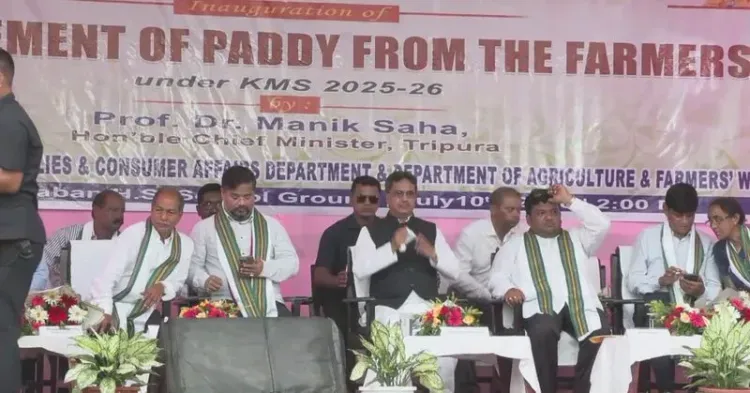
Tripura Chief Minister Dr. Manik Saha inaugurated paddy procurement at Kakraban, Udaipur on 10 July 2026, formally launching the seasonal MSP-based purchase drive for farmers in southern Tripura. The move extends India's federal agricultural support framework to remote farming communities in the northeast.
Key Takeaways
Manik Saha inaugurated paddy procurement at Kakraban, Udaipur on 10 July 2026 .
Procurement is conducted at Minimum Support Price (MSP) , guaranteeing farmers a price floor for their produce.
Udaipur district in southern Tripura is a significant paddy-growing region with small and marginal farmers as the primary beneficiaries.
Tripura has operated decentralised procurement centres since at least the early 2000s to overcome geographic barriers in the northeast.
The drive forms part of India's broader federal agricultural support system, implemented seasonally by central and state agencies.
State agriculture department announcements on procurement targets and MSP payment timelines are expected to follow.
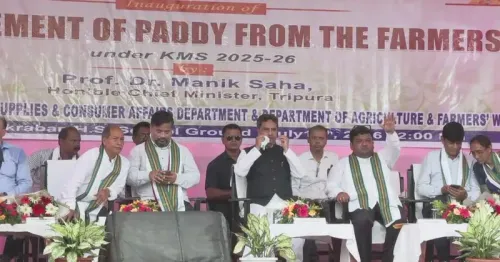
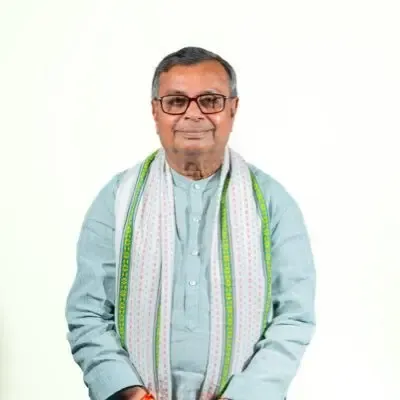
Tripura Chief Minister Dr. Manik Saha on Friday, 10 July 2026, inaugurated the procurement of paddy from farmers at Kakraban in Udaipur district, southern Tripura, marking the formal launch of the seasonal paddy purchase drive in the region.
Context
The inauguration at Kakraban signals the opening of a state-run paddy procurement centre in Udaipur, one of Tripura's agriculturally active southern districts. Such centres are designed to allow paddy farmers to sell their produce directly to government agencies at the Minimum Support Price (MSP), shielding them from distress sales to private traders at below-market rates.
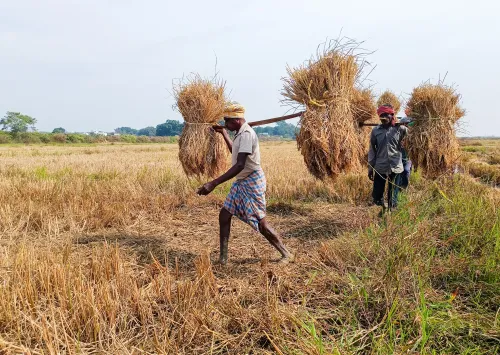
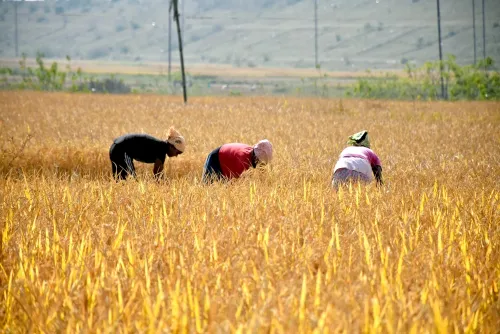
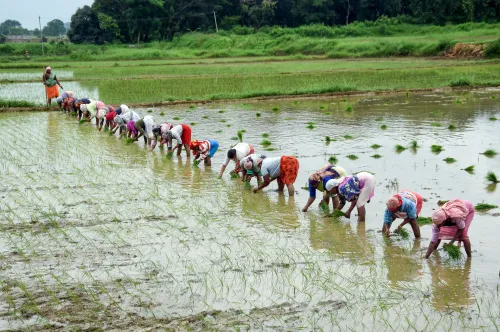
Paddy is a primary crop in Tripura, and procurement drives are especially significant for small and marginal farmers in the state's remote and hilly terrain, where access to open markets is limited.
Policy Backdrop
India's paddy procurement framework at MSP has been in operation since the mid-1960s, administered through the Food Corporation of India (FCI) and state-level agencies. Tripura has run decentralised procurement centres since at least the early 2000s to extend the reach of this system to farmers who cannot easily access central mandis.
Under BJP governance in Tripura since 2018, seasonal paddy procurement has continued as a core component of agricultural support policy. Decentralised centres in areas like Kakraban are part of a broader effort to ensure MSP realisation at the village level, reducing the dependence of rural households on exploitative intermediaries.
Stakeholders and Impact
The primary beneficiaries of the procurement drive are paddy farmers and rural cooperatives in the Udaipur belt. By guaranteeing purchase at MSP, the state provides a price floor that directly supports farm incomes and rural livelihoods in one of India's northeastern states, where agricultural margins are often thin.
Logistical and geographic challenges unique to northeastern India — including difficult road connectivity and dispersed farm holdings — make government-run local procurement centres a critical intervention rather than a supplementary one. The Kakraban centre addresses exactly this last-mile gap.
What's Next
Attention will now turn to announcements from the Tripura state agriculture department on total procurement targets for the season, timelines for MSP payments to registered farmers, and whether additional procurement centres will be opened in other districts across the state.
A successful and transparent rollout at Kakraban could serve as a template for expanding decentralised procurement to other underserved agricultural pockets in Tripura, reinforcing the state government's rural welfare commitments ahead of the next crop cycle.
Point of View
But it carries political weight in a state where agricultural welfare is a key voter concern. The BJP-led state government has consistently used MSP procurement events as visible demonstrations of its rural outreach, particularly in southern Tripura where Congress and Left parties have historically held influence. Decentralised procurement in remote areas like Kakraban also addresses a structural gap that national-level food policy has long struggled to close in the northeast. The real test will be the speed and transparency of MSP payments to farmers once the procurement season concludes.
NationPress
10 Jul 2026
Frequently Asked Questions
What is paddy procurement at MSP and how does it help farmers in Tripura?
Paddy procurement at MSP means the government buys paddy directly from farmers at a fixed Minimum Support Price, preventing distress sales. In Tripura, this is especially important for small and marginal farmers in remote areas who lack access to competitive open markets.
Where is Kakraban and why was paddy procurement inaugurated there?
Kakraban is an area in Udaipur district in southern Tripura. It was chosen as a procurement site to bring MSP-based purchase closer to local farming communities, addressing the logistical challenges of the region.
Who inaugurated the paddy procurement at Kakraban in July 2026?
Tripura Chief Minister Dr. Manik Saha inaugurated the paddy procurement drive at Kakraban, Udaipur on 10 July 2026.
Which agency handles paddy procurement in Tripura?
Paddy procurement in India is managed by the Food Corporation of India and state-level agencies. In Tripura, the state agriculture department sets up decentralised centres to implement the MSP purchase drive at the local level.
What happens after the paddy procurement inauguration in Tripura?
After inauguration, the state agriculture department is expected to announce total procurement targets, timelines for MSP payments to registered farmers, and any expansion of centres to other districts in Tripura.