CM Manik Saha joins Mahashtami celebrations across Mandai pandals
Synopsis
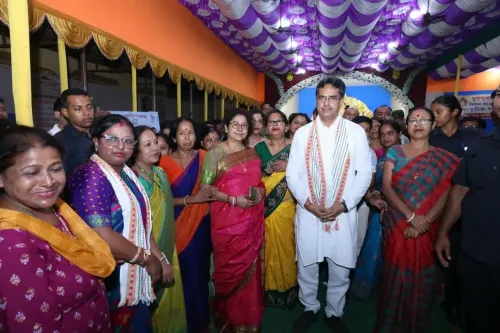
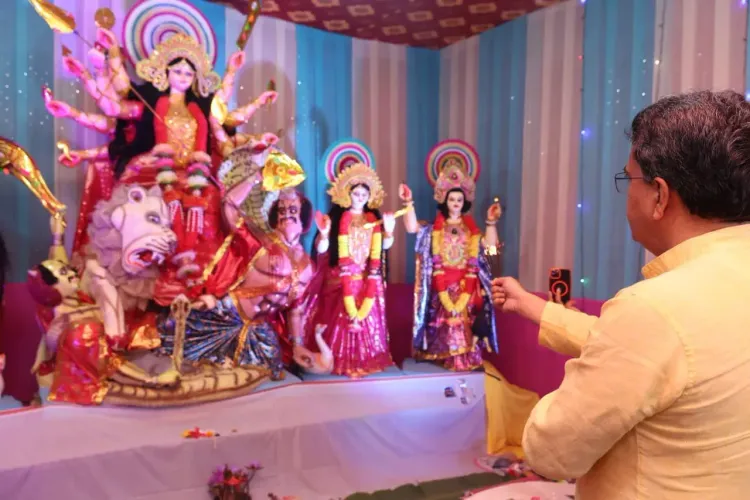
Tripura Chief Minister Dr. Manik Saha visited several Durga Puja pandals in Mandai on Mahashtami, celebrating with residents across all communities and invoking Maa Durga's blessings for peace, harmony, and prosperity in the state.
Key Takeaways
Manik Saha visited multiple Durga Puja pandals in Mandai on Mahashtami, October 19, 2026 .
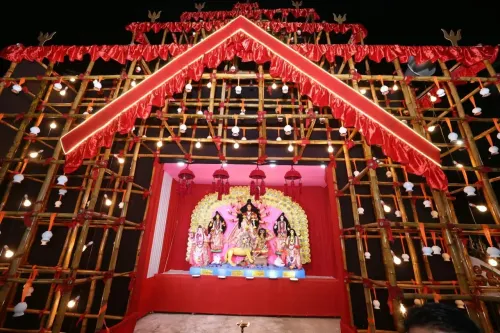
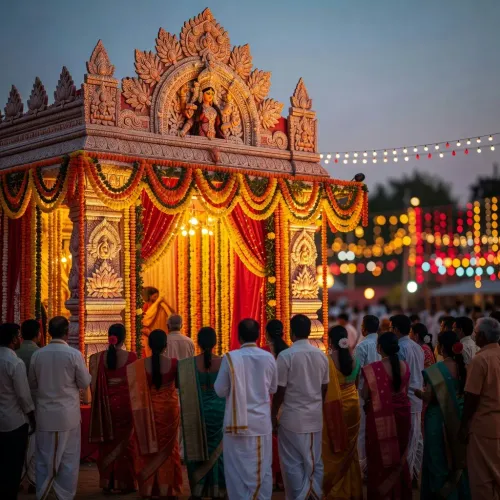
Venues visited include Integration Club, Aitorma Club, Adventure Club, Yakharai, Aichukni Pahor, Radhakrishna Mandir , and Play Centre .
The CM emphasised participation 'irrespective of caste or tribe,' highlighting Tripura's diverse Bengali and indigenous tribal communities.
He invoked Maa Durga's blessings for 'peace, harmony, and prosperity' in the state.
The visit continues a long-standing practice among northeast Indian leaders of using Durga Puja as a platform for cross-community outreach.
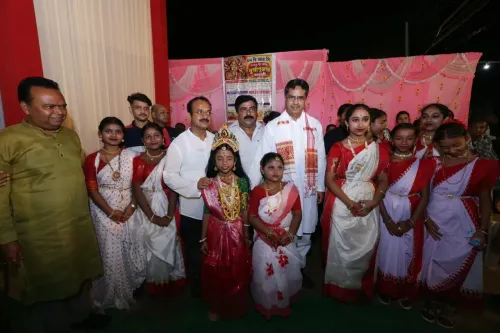
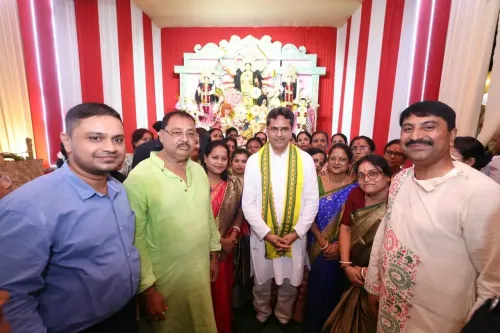
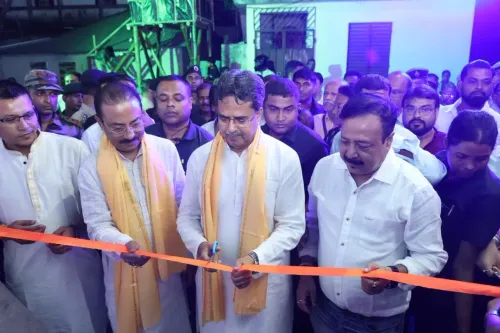
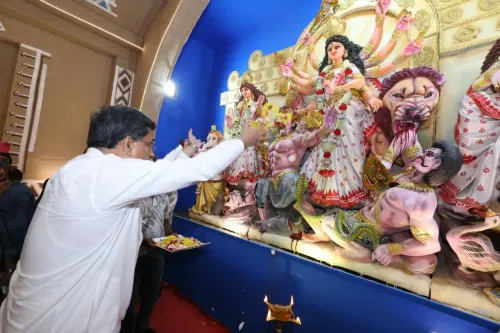
On the auspicious occasion of Mahashtami, Tripura Chief Minister Dr. Manik Saha stepped out into the heart of Mandai on Monday, October 19, 2026, visiting multiple Durga Puja pandals and joining residents from all communities in the festival's joy — a vivid snapshot of the state's plural culture on one of Bengal's most sacred nights.
Writing in Bengali on X, Dr. Saha described the day as one made 'even more joyful' by the warmth and affection of people he met at venues including Integration Club, Aitorma Club, Adventure Club, Yakharai, Aichukni Pahor, Radhakrishna Mandir, and Play Centre. He noted that he participated in the festivities 'with all brothers and sisters, irrespective of caste or tribe' — jati-janajati nirbisheshe — a phrase that carries deliberate weight in a state defined by both its Bengali and indigenous tribal identities.
Mandai as a microcosm of Tripura's diversity
Tripura is one of India's most ethnically layered northeastern states, home to a substantial Bengali-speaking population alongside numerous indigenous tribal communities. Durga Puja, while rooted in Bengali Hindu tradition, has long been observed across this demographic spectrum, with pandals in both urban centres and tribal-majority localities. The Chief Minister's circuit through several neighbourhood clubs on Mahashtami — the eighth and considered most powerful night of the festival — underscores that layered reality.
Dr. Saha, who has led the state since 2022, has consistently used high-visibility cultural moments to emphasise communal harmony. His post closed with a prayer: that Maa Durga's blessings strengthen the flow of 'peace, harmony, and prosperity' — shanti, samprity o samriddhi — in Tripura. It is a refrain state leaders in the northeast return to often, but one that carries specific resonance in a region that has lived through decades of ethnic tension and insurgency before arriving at its current relative stability.
A tradition of pandal-hopping as political outreach
Visiting Durga Puja pandals on Mahashtami is a deeply established practice among elected leaders across West Bengal, Tripura, and Assam. It serves simultaneously as a cultural gesture, a show of accessibility, and an act of political visibility. The range of venues Dr. Saha visited — from a Radhakrishna temple to neighbourhood adventure and play clubs — signals an effort to be present across different social strata of Mandai, not merely at flagship or well-funded pandals.
Durga Puja in Tripura draws participants from Hindu, tribal animist, and secular backgrounds alike, making it one of the state's most genuinely cross-community events. As Navami and Dashami approach in the coming days, the government is expected to continue cultural engagement across the state's districts.
One festival, one state, many faces — and a Chief Minister making sure he is seen at all of them.
Point of View
Which saw prolonged ethnic tensions before stabilising, offers leaders a meaningful backdrop for harmony messaging. Repeated use of festival moments to reinforce state cohesion suggests the government views cultural visibility as integral governance, not mere optics. Whether sustained policy attention to tribal welfare matches the symbolic outreach remains the sharper question.
NationPress
19 Oct 2026
Frequently Asked Questions
What is Mahashtami and why is it significant during Durga Puja?
Mahashtami is the eighth day of Durga Puja and is considered one of the most sacred nights of the festival, marked by special rituals and the peak of community celebrations across Bengal and Tripura.
Where did CM Manik Saha visit on Mahashtami 2026?
Chief Minister Dr. Manik Saha visited several Durga Puja pandals in Mandai, Tripura, including Integration Club, Aitorma Club, Adventure Club, Yakharai, Aichukni Pahor, Radhakrishna Mandir, and Play Centre.
How does Durga Puja bring together communities in Tripura?
Tripura has both a large Bengali-speaking population and numerous indigenous tribal communities; Durga Puja is celebrated across these groups, making it one of the state's most cross-community festivals.
Who is Dr. Manik Saha and when did he become Chief Minister of Tripura?
Dr. Manik Saha is a BJP leader who became Chief Minister of Tripura in 2022. He is a dentist by profession and was elected to the state assembly before assuming the chief ministerial role.
What did CM Manik Saha say about peace and harmony in Tripura?
On Mahashtami, CM Saha prayed that Maa Durga's blessings further strengthen the flow of peace, harmony, and prosperity in Tripura, emphasising the state's diverse but united character.