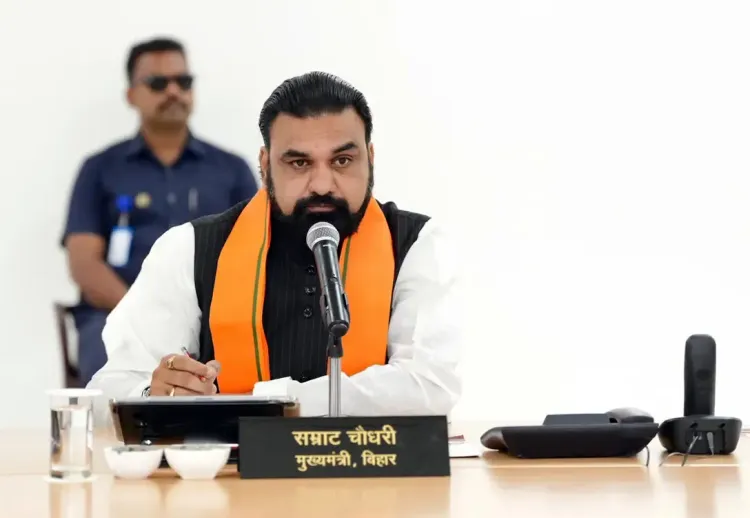
Bihar CM Samrat Choudhary pledges zero forced migration for labour by 2030
Synopsis
Bihar Chief Minister Samrat Choudhary has set a 2030 deadline to end forced labour migration from the state — one of India's biggest migrant-sending states. Backed by 211 new degree colleges launched in a single day and a stadium-in-every-block pledge, the announcement signals an ambitious but undetailed development gamble ahead of Bihar's political calendar.
Key Takeaways
Bihar CM Samrat Choudhary pledged on 19 October 2026 that no Bihari will be forced to migrate for manual labour by 2030 .
Voluntary migration for jobs, business, or career advancement will face no restrictions .
Bihar launched 211 new degree colleges simultaneously on 15 July 2026 , up from a base of 272 .
700 Model Schools-cum-Saraswati Vidya Niketans have been set up, offering online coaching for competitive exams.
A stadium in every block of Tarapur Assembly constituency will be built, with construction to begin within two months .
The announcement was made at a football tournament in Kahua village, Munger , held annually since 1962 .
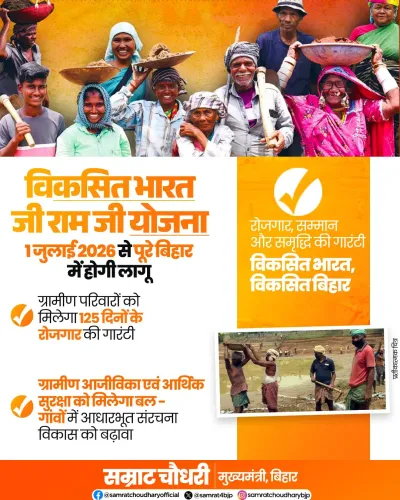
Bihar Chief Minister Samrat Choudhary on Monday, 19 October 2026, set a landmark target: no resident of Bihar should be compelled to migrate to another state solely to earn a livelihood through manual labour by 2030. Addressing a gathering in his native district of Munger, Choudhary pledged that adequate employment opportunities would be generated within the state to make this a reality.
What Choudhary Announced
Speaking at a football event in Kahua village, Sangrampur block, Tarapur Assembly constituency, the Chief Minister drew a careful distinction: while forced migration for manual labour must end by 2030, there would be no restrictions on young Biharis relocating for better jobs, business ventures, or professional careers of their choice. He framed his commitment as a tribute to Prime Minister Narendra Modi's vision of a 'Viksit Bharat' (Developed India) and former Chief Minister Nitish Kumar's vision of a 'Samriddh Bihar' (Prosperous Bihar), saying he would dedicate his life to fulfilling both.
Education and Infrastructure Push
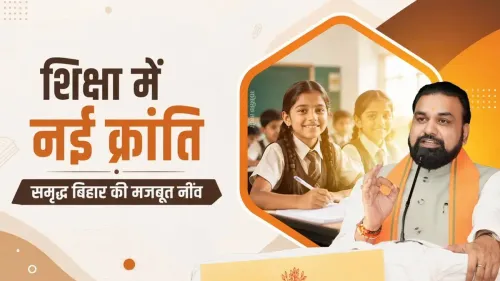
Choudhary highlighted significant recent strides in Bihar's education landscape. The state, which previously had only 272 colleges, saw 211 new degree colleges launched simultaneously on 15 July 2026. Additionally, 700 'Model Schools-cum-Saraswati Vidya Niketans' have been established across Bihar, offering online classes to help students in rural areas prepare for competitive examinations without leaving their localities.
Sports Development in Every Block
At the final of an annual football tournament — held at the sports ground named after Vasuki Rai, the first MLA from the Tarapur region — Choudhary announced that a stadium would be constructed in every block of the Tarapur Assembly constituency to promote sports and nurture rural athletic talent. Construction is expected to commence within the next two months. In this year's final, TTC Manikpur defeated Patam to lift the trophy, with the tournament having been held annually since 1962.
Context: Bihar's Migration Crisis
Bihar has historically been one of India's largest source states for inter-state labour migration, with millions travelling to states such as Delhi, Punjab, Maharashtra, and Gujarat for construction, agriculture, and other manual work. The 2030 target, if achieved, would represent a structural transformation of the state economy. Notably, this announcement comes amid Bihar's ongoing infrastructure expansion and a visible political push ahead of the state's long-term development narrative. Critics, however, will likely demand a concrete roadmap — including sector-specific job creation targets and investment timelines — before the pledge can be assessed credibly.
What Comes Next
Choudhary reiterated that employment generation, education, and sports development are the three pillars of Bihar's path to self-reliance. The government has not yet released a detailed policy document outlining how the 2030 migration-free target will be monitored or measured. Announcements on stadium construction timelines and further college launches are expected in the coming months.
Point of View
Not just a sports stadium, to be taken seriously.
NationPress
19 Oct 2026
Frequently Asked Questions
What is Bihar CM Samrat Choudhary's 2030 migration pledge?
Chief Minister Samrat Choudhary has announced that by 2030, no resident of Bihar should be forced to migrate to another state solely for manual labour earnings. He stated that adequate employment opportunities will be created within Bihar itself, though voluntary migration for careers or business will face no restrictions.
How many new colleges has Bihar opened recently?
Bihar launched 211 new degree colleges simultaneously on 15 July 2026, more than doubling the state's earlier base of 272 colleges. Additionally, 700 Model Schools-cum-Saraswati Vidya Niketans have been established to provide online coaching for competitive exams in rural areas.
What sports infrastructure did Choudhary announce?
Choudhary announced that a stadium will be built in every block of the Tarapur Assembly constituency, with construction expected to begin within two months. The announcement was made at the final of a football tournament in Kahua village, Munger, held annually since 1962.
Why is Bihar's labour migration seen as a major issue?
Bihar is historically one of India's largest sources of inter-state labour migrants, with millions travelling to states like Delhi, Punjab, Maharashtra, and Gujarat for construction and agricultural work. The 2030 target aims to reverse this pattern by generating sufficient employment within the state.
What is the broader political context of Choudhary's announcements?
Choudhary linked his development vision to Prime Minister Narendra Modi's 'Viksit Bharat' (Developed India) and former CM Nitish Kumar's 'Samriddh Bihar' (Prosperous Bihar) frameworks. The announcements come as Bihar's ruling coalition seeks to demonstrate tangible progress on economic development ahead of future electoral cycles.