CM Mohan Yadav Addresses Balram Krishi Mahotsav in Chhindwara
Synopsis
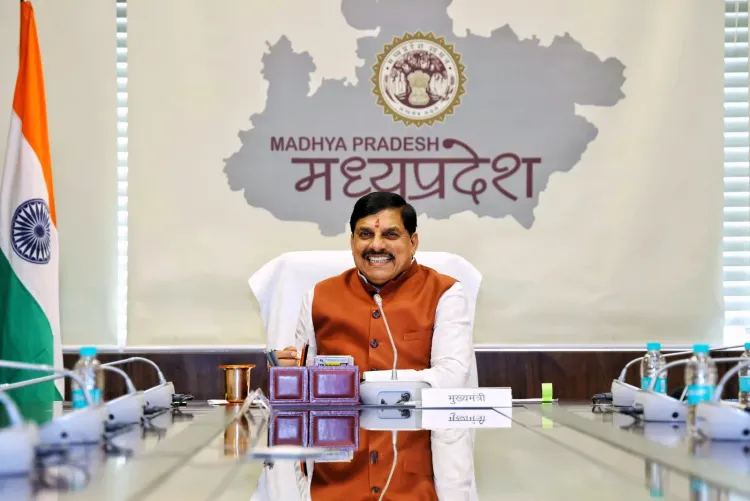
MP Chief Minister Dr. Mohan Yadav virtually addressed the Balram Krishi Mahotsav in Chhindwara on 3 November 2026, spotlighting MSP procurement for tribal forest produce, a proposed irrigation expansion covering 1 lakh hectares, and Chhindwara's growing identity in millets and floriculture.
Key Takeaways
Balram Krishi Mahotsav was held in Chhindwara on 3 November 2026 under the Krishak Kalyan Varsh-2026 framework, with CM Dr.
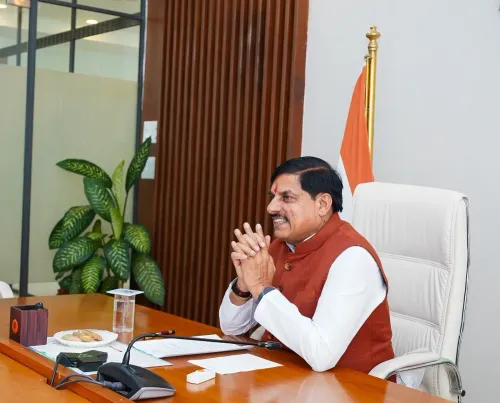
Mohan Yadav joining virtually.
Minor forest produce and Kodo-Kutki millets are being procured at Minimum Support Price (MSP) , providing assured income to tribal collectors and small farmers.
The Chhindwara Irrigation Complex Project , once complete, is projected to irrigate over 1 lakh hectares and raise irrigation coverage from 29% to 54% .
Chhindwara is diversifying beyond its traditional maize and orange base into Shriann (millets) and floriculture .
Dairy farmers excelling in milk production were recognised under the Gopal-Krishna Gram Puraskar Pratiyogita .
The government is working on storage facilities, processing units, and new market linkages specifically for maize cultivators in the district.
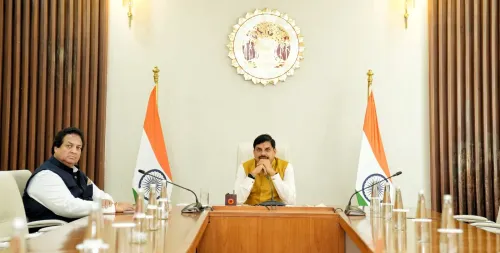
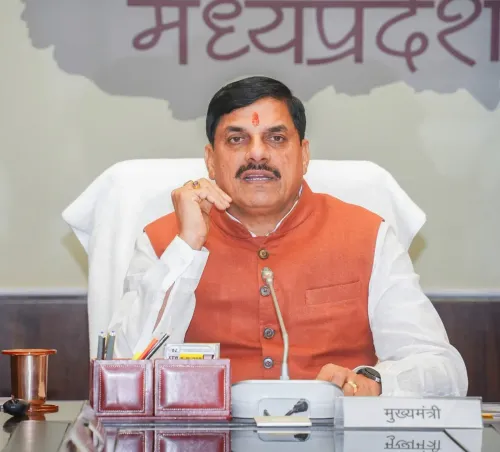
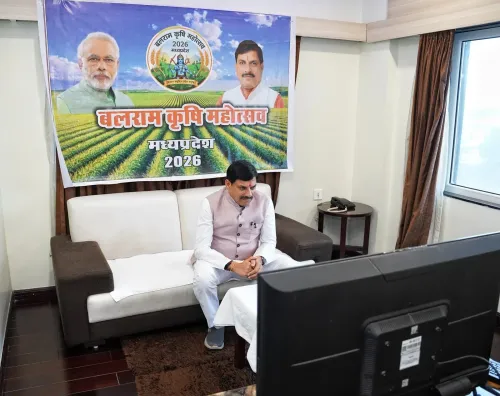
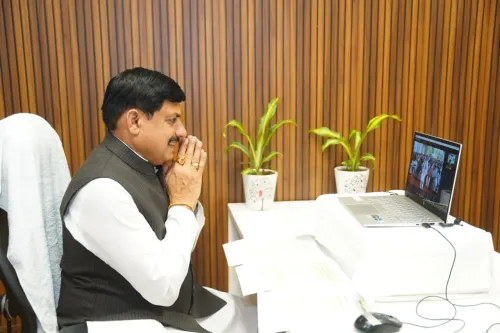
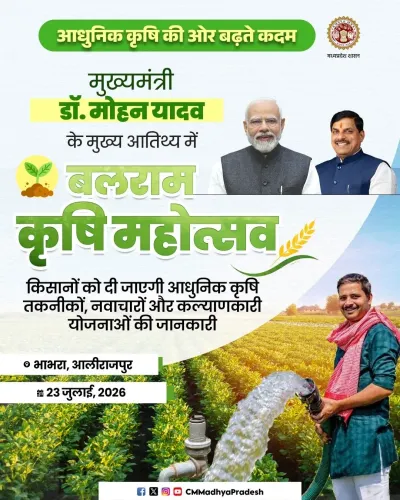
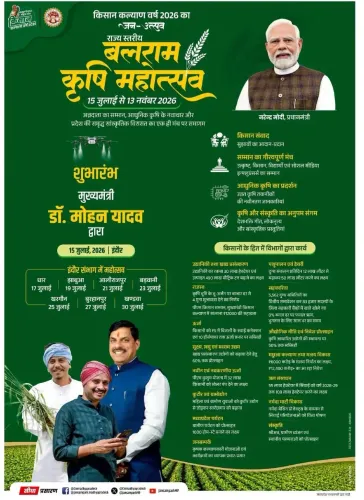
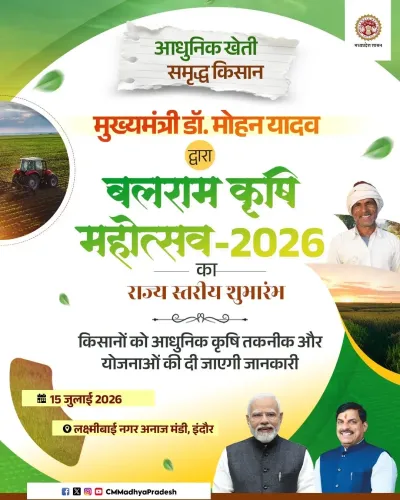
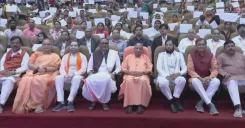
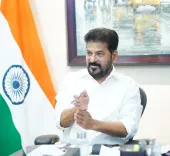
A district once defined entirely by maize fields and orange groves is quietly rewriting its agricultural identity. Madhya Pradesh Chief Minister Dr. Mohan Yadav on Tuesday, 3 November 2026, addressed farmers in Chhindwara virtually at the 'Balram Krishi Mahotsav' — a flagship event under the state's 'Krishak Kalyan Varsh-2026' — marking the district's expanding push into millets, floriculture, and assured tribal procurement.
Chhindwara's Shift from Maize to Millets and Flowers
Chhindwara has long been Madhya Pradesh's maize and orange heartland, but CM Yadav's address signalled a deliberate pivot. The state is now promoting Shriann (millets) cultivation and flower farming as complementary income streams for the district's farmers. This aligns with a broader national push — rooted in the momentum of the International Year of Millets in 2023 — to embed millet farming into mainstream agricultural planning, particularly in tribal-dominated belts of central India.
MSP for Forest Produce and the Kodo-Kutki Procurement Drive
At the heart of the event was a direct promise to tribal gatherers and small farmers: their labour will get a fair price. The Chief Minister highlighted that procurement of minor forest produce at Minimum Support Price (MSP), along with the purchase of Kodo and Kutki millets, is already channelling assured income to tribal collectors across the district. This procurement framework draws from the foundation laid by centrally-sponsored Van Dhan schemes since 2018, which introduced value addition and guaranteed offtake for forest-based livelihoods in central India's tribal corridors.
1 Lakh Hectare Irrigation Target and the Capacity Doubling Plan
The single most consequential announcement from the mahostav floor was about water. CM Yadav stated that on completion of the Chhindwara Irrigation Complex Project, more than 1 lakh hectares of farmland will come under irrigation — pushing the district's irrigation coverage from 29% to 54%. For a district where large swathes of tribal and small-farmer land remain rain-dependent, that jump is transformative. Reliable water access directly reduces the distress migration that has long drained Chhindwara's rural workforce.
Dairy Producers Recognised at Gopal-Krishna Gram Puraskar Event
The mahostav also featured an interaction with livestock farmers who excelled in milk production under the Gopal-Krishna Gram Puraskar Pratiyogita — a competitive awards scheme designed to incentivise dairy farming at the village level. CM Yadav engaged directly with these animal husbandry practitioners, reinforcing the state's strategy of treating dairy as a parallel rural income pillar alongside crop farming.
Storage, Processing, and New Markets for Maize Growers
Even as Chhindwara diversifies, its maize farmers remain central to the state's plans. The CM affirmed that the government is working continuously to provide maize cultivators with better facilities, storage infrastructure, processing units, and new market linkages. The combination of value-chain investment and diversification signals a two-track approach: protect the existing staple crop base while building new revenue streams around it.
Chhindwara's transformation — from a single-crop story to a multi-commodity, irrigation-secured district — is being written one policy lever at a time. The real test will be in the fields when the irrigation complex is complete and the millet procurement numbers come in.
Point of View
With direct implications for reducing distress migration. Together, these moves reflect a state government aligning tribal welfare optics with structural agri-infrastructure investments ahead of the next electoral cycle.
NationPress
3 Nov 2026
Frequently Asked Questions
What is the Balram Krishi Mahotsav in Chhindwara?
The Balram Krishi Mahotsav is an agricultural festival held in Chhindwara, Madhya Pradesh, under the state's Krishak Kalyan Varsh-2026 initiative, aimed at engaging farmers on welfare schemes, MSP procurement, and agricultural diversification.
What is Krishak Kalyan Varsh-2026 in Madhya Pradesh?
Krishak Kalyan Varsh-2026 is a Madhya Pradesh government programme dedicated to farmer welfare, under which events, scheme announcements, and agricultural outreach activities are being conducted across the state in 2026.
What is the Chhindwara Irrigation Complex Project?
The Chhindwara Irrigation Complex Project is a state infrastructure initiative that, upon completion, is projected to bring over 1 lakh hectares of farmland under irrigation and raise the district's irrigation coverage from 29% to 54%.
What is Shriann and why is it being promoted in Chhindwara?
Shriann is the collective term for millets, including Kodo and Kutki, which are being promoted in tribal areas of Madhya Pradesh like Chhindwara under MSP-linked procurement to diversify farmer incomes and build on the national millet push.
What is the Gopal-Krishna Gram Puraskar Pratiyogita?
The Gopal-Krishna Gram Puraskar Pratiyogita is a competitive awards scheme in Madhya Pradesh that recognises village-level livestock farmers for outstanding performance in milk production, encouraging dairy farming as a rural income source.