CM Revanth Reddy Orders Talks With Maharashtra on Tummidihatti Barrage
Synopsis
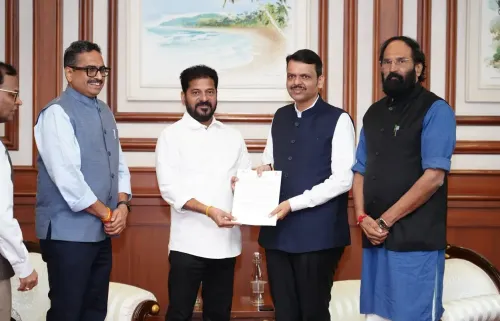
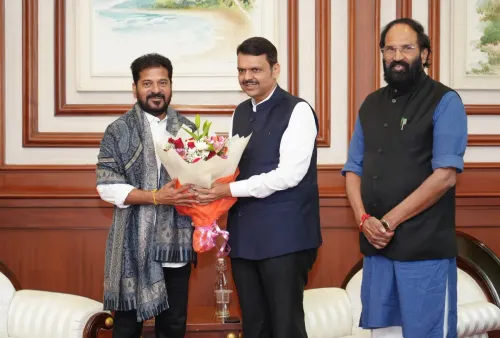
Chief Minister Revanth Reddy on 3 November 2026 directed Telangana irrigation officials to continuously consult Maharashtra on the Tummidihatti Barrage, offering compensation for submerged lands via a joint account and approving a Maharashtra-led submergence survey.
Key Takeaways
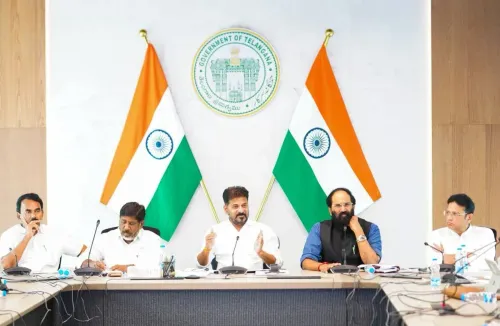
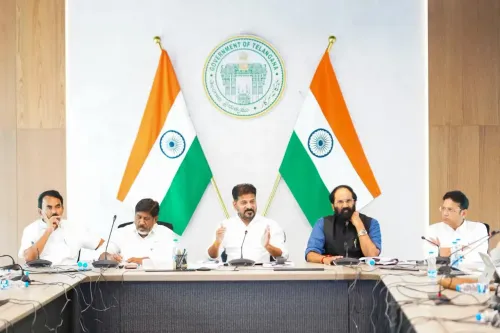
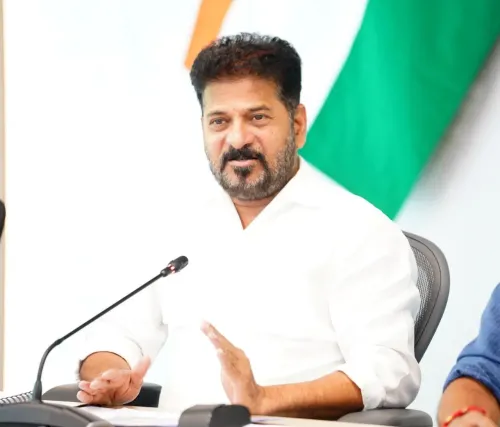
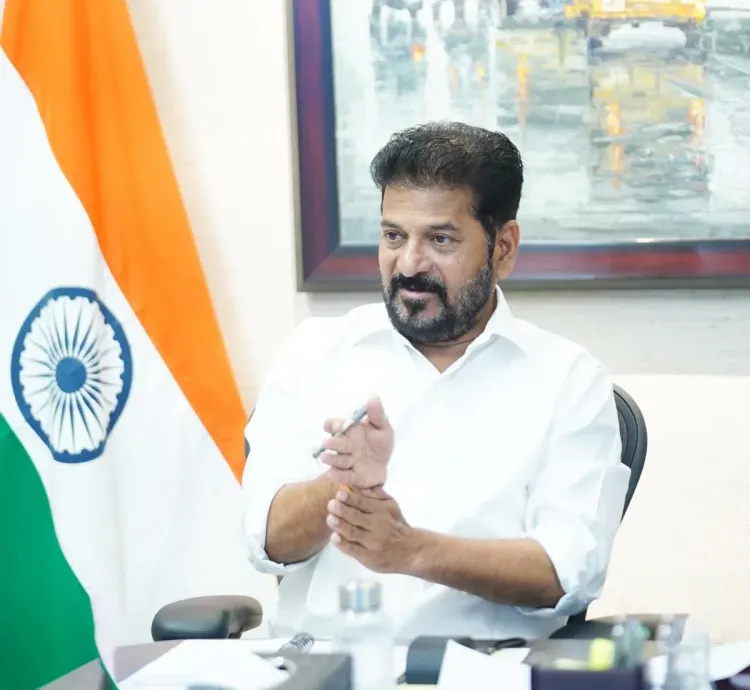
CM Revanth Reddy chaired a high-level review on Tummidihatti Barrage at his Jubilee Hills residence on 3 November 2026 .
Telangana declared readiness to pay adequate compensation to Maharashtra landowners affected by submergence.
Funds for compensation will be deposited in a joint account for transparency.
Telangana raised no objection to Maharashtra conducting its own independent survey of submergence-affected land.
Officials directed to hand over all documents related to prior agreements to the Maharashtra government.
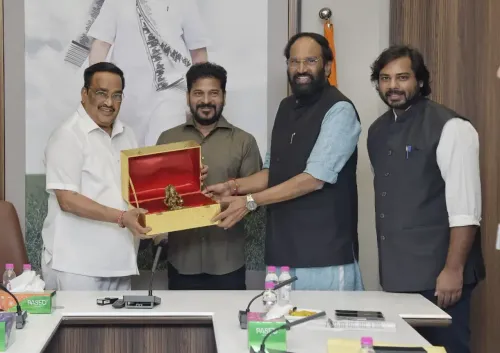
Irrigation Advisor Adityanath Das and senior officials attended alongside Irrigation Minister Uttam Kumar Reddy .
Telangana is putting its cards on the table. Chief Minister Revanth Reddy on Tuesday, 3 November 2026, directed irrigation officials to maintain continuous consultations with Maharashtra over the proposed Tummidihatti Barrage on the Godavari River — and made a pointed offer: Telangana is ready to pay compensation for submerged Maharashtra lands and park the funds in a joint account.
The Chief Minister's Office of Telangana posted the directive after Revanth Reddy chaired a high-level review meeting at his Jubilee Hills residence alongside Irrigation Minister Uttam Kumar Reddy and senior officials, including Irrigation Advisor Adityanath Das. The session focused squarely on breaking the logjam that has dogged this inter-state infrastructure project: the submergence of Maharashtra farmland that the barrage would cause upstream.
Telangana's Three-Point Offer to Maharashtra
The directives Revanth Reddy issued are precise and consequential. First, officials must compile ముంపు వివరాలు (complete submergence details) and hand over all documents relating to previously concluded agreements to the Maharashtra government. Second, Telangana has declared it is 'ready to pay adequate compensation' to landowners in Maharashtra whose fields would be submerged — and willing to deposit the necessary funds in a joint account for transparency. Third, and significantly, the Chief Minister stated Telangana has no objection to Maharashtra conducting its own independent survey of the affected lands.
That last point matters. Allowing a neighbouring state to conduct a survey on land that will be submerged by your own project is a confidence-building gesture — one that signals Telangana wants to move this project forward rather than fight a prolonged inter-state legal battle.
Why the Tummidihatti Barrage Has Been a Pressure Point
The Tummidihatti Barrage is a proposed structure on the Godavari River, designed to harness irrigation potential for Telangana. But because the Godavari flows through both states, any reservoir-level rise on the Telangana side creates submergence risks for agricultural land on the Maharashtra bank. Inter-state river infrastructure of this kind requires bilateral agreement under Indian water law, and negotiations typically run through both technical and political channels.
Godavari basin inter-state coordination has been a live issue since Telangana's formation in 2014, building on older tribunal awards and project-level discussions. Tummidihatti sits within that longer arc of Godavari water diplomacy — but its submergence footprint in Maharashtra has made final clearances elusive.
What Officials Must Do Before the Next Round
The Chief Minister's instructions were operational, not aspirational. Irrigation officials have been told to remain prepared with full submergence data at all times, furnish Maharashtra officials with whatever information they need on a rolling basis, and formalise the handover of existing agreement documents. The joint-account mechanism for compensation funds — once formalised — would remove one of Maharashtra's core concerns: that commitments made now may not be honoured later.
The next concrete test is Maharashtra's response to Telangana's survey offer and whether both sides can agree on the joint-account structure. If they do, Tummidihatti moves from stalled negotiation into active construction pipeline. The Godavari is patient; the farmers waiting on both banks are not.
Point of View
Telangana attempts to pre-empt Maharashtra's trust deficit without ceding sovereign control of the project. The move also reflects political pragmatism: with both states needing federal goodwill on water tribunals, bilateral resolution is cheaper than a protracted legal fight. Whether Maharashtra's response matches Telangana's conciliatory posture will determine if Tummidihatti finally crosses from blueprint to barrage.
NationPress
3 Nov 2026
Frequently Asked Questions
What is the Tummidihatti Barrage project?
The Tummidihatti Barrage is a proposed structure on the Godavari River in Telangana designed to boost irrigation capacity, but it would submerge farmland on the Maharashtra side of the river, requiring inter-state agreement before construction can proceed.
Why is Maharashtra involved in the Tummidihatti Barrage dispute?
Because the Godavari River flows through both Telangana and Maharashtra, the reservoir created by the barrage would flood agricultural land in Maharashtra, making the state a key stakeholder whose consent and compensation are legally required.
What compensation did Telangana offer Maharashtra for Tummidihatti?
Chief Minister Revanth Reddy stated on 3 November 2026 that Telangana is ready to pay adequate compensation to Maharashtra landowners affected by submergence and will deposit the necessary funds in a joint account.
Did Telangana agree to Maharashtra conducting a survey for Tummidihatti?
Yes. CM Revanth Reddy explicitly stated that Telangana has no objection to Maharashtra carrying out its own independent survey of the lands that would be submerged by the Tummidihatti Barrage.
Who attended the Tummidihatti review meeting with CM Revanth Reddy?
Irrigation Minister Uttam Kumar Reddy, Irrigation Advisor Adityanath Das, and senior irrigation department officials attended the review held at the Chief Minister's Jubilee Hills residence on 3 November 2026.