Odisha CM Majhi: ₹1.17 lakh crore in clean energy MoUs at BRES 2026
Synopsis
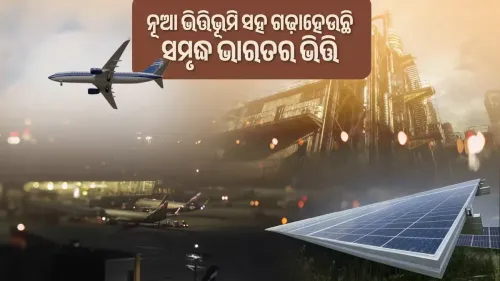
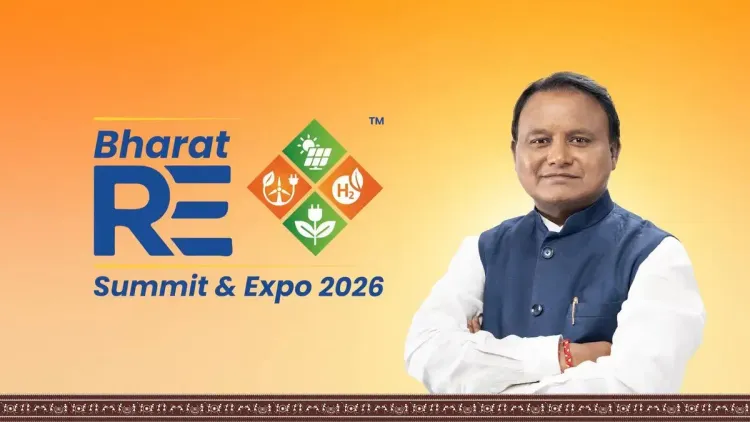
Chief Minister Mohan Charan Majhi announced 18 MoUs worth over ₹1.17 lakh crore at the Bharat Renewable Energy Summit and Expo 2026, framing the deals as a cornerstone of Odisha's Samruddha Odisha 2036 blueprint and India's Viksit Bharat 2047 goal.
Key Takeaways
18 MoUs worth over ₹1.17 lakh crore were signed at the Bharat Renewable Energy Summit & Expo 2026 in Odisha.
Chief Minister Mohan Charan Majhi , in office since June 2024 , described the deals as marking a 'new phase of industrial and clean energy growth.' The investments are aligned with Samruddha Odisha 2036 , the state's long-term prosperity vision.
Odisha linked its renewable push to Prime Minister Modi's Viksit Bharat 2047 national development goal.
India's national target of 500 GW non-fossil capacity by 2030 is a key driver of state-level clean-energy competition.
The National Green Hydrogen Mission (2023) adds further policy tailwind for large-scale renewable investments in states like Odisha.
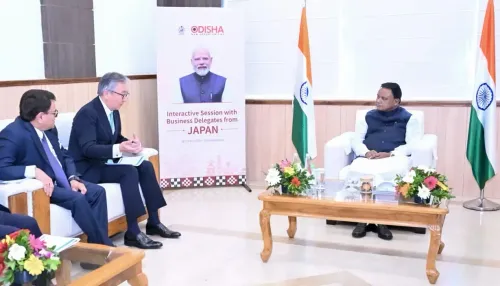
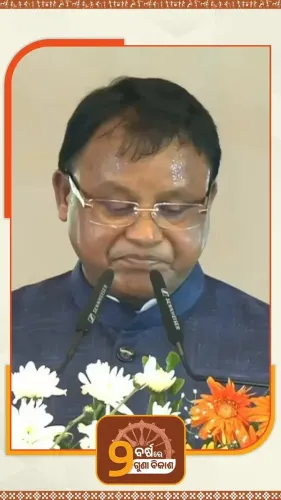
Eighteen investment agreements worth over ₹1.17 lakh crore — signed in a single summit — signal that Odisha is no longer content to be India's mineral belt alone. The Chief Minister's Office of Odisha on Tuesday, November 3, 2026, quoted Chief Minister Shri Mohan Charan Majhi declaring a 'new phase of industrial and clean energy growth' for the state, off the back of the Bharat Renewable Energy Summit & Expo 2026.
Eighteen MoUs and the ₹1.17 lakh crore bet on renewables
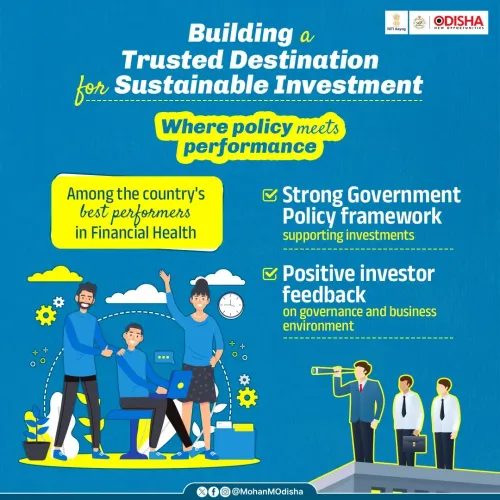
The headline number is hard to ignore. ₹1.17 lakh crore across 18 MoUs at a single expo represents one of the largest single-event investment mobilisations Odisha has announced in the clean-energy space. CM Majhi, who has led the BJP-led state government since June 2024, positioned the commitments as the financial spine of the state's long-term blueprint — Samruddha Odisha 2036, a vision for a prosperous Odisha by 2036.
The MoUs span renewable energy and industrial projects, reflecting the state's deliberate pivot: Odisha has historically relied on coal, steel, and mineral extraction, but the current government is now stacking clean-energy assets alongside that legacy base. The logic is diversification — and insurance against a carbon-constrained future.
Where Odisha fits in India's 500 GW renewables race
India has set a national target of 500 GW of non-fossil energy capacity by 2030, and the pressure on states to carry that load is intense. Indian states have been locked in a competitive sprint to attract private renewable investment, and Odisha — with its coastline, land availability, and industrial infrastructure — has structural advantages it is now actively marketing.
The move also dovetails with the National Green Hydrogen Mission, launched in 2023, which pushed states to build renewable supply chains capable of feeding hydrogen production. An Odisha bulked up on solar, wind, or hybrid projects becomes a more credible green-hydrogen hub — precisely the kind of upstream anchor large investors look for before committing to downstream facilities.
Tying Odisha's ambition to Viksit Bharat 2047
CM Majhi explicitly linked the summit's outcomes to Prime Minister Narendra Modi's national vision of Viksit Bharat 2047 — the goal of India becoming a fully developed economy by the centenary of independence. The framing is deliberate: state-level investment pipelines are increasingly being narrated as building blocks of the national target, giving both political cover and additional legitimacy to the pitch made to investors.
The real test, as always, lies ahead. MoUs are intent, not outcomes. Whether these 18 agreements achieve financial closure and move to commissioning — and whether Odisha's 2026-27 budget session delivers the policy incentives investors need — will determine how much of the ₹1.17 lakh crore pledge becomes generating capacity on the ground.
Odisha has a record of turning summits into steel plants. Now it is trying to repeat that feat with clean energy. The ambition is declared; the grid is waiting.
Point of View
It would materially shift the state's renewable profile and strengthen its case as a green-hydrogen supply-chain anchor in eastern India.
NationPress
3 Nov 2026
Frequently Asked Questions
What is the Bharat Renewable Energy Summit and Expo 2026?
The Bharat Renewable Energy Summit and Expo 2026 is a clean-energy investment conclave at which Odisha signed 18 MoUs worth over ₹1.17 lakh crore to attract renewable and industrial projects to the state.
What is Samruddha Odisha 2036?
Samruddha Odisha 2036 is the Odisha state government's long-term vision for a prosperous, developed Odisha by the year 2036, with clean energy and industrial diversification as key pillars.
Who is Mohan Charan Majhi?
Mohan Charan Majhi is the Chief Minister of Odisha, heading the BJP-led state government since June 2024 after the party's victory in the 2024 Odisha assembly elections.
How does Odisha's clean energy push connect to Viksit Bharat 2047?
Viksit Bharat 2047 is Prime Minister Narendra Modi's vision for India to become a developed economy by 2047; CM Majhi framed Odisha's ₹1.17 lakh crore in renewable MoUs as a state-level contribution to that national goal.
What is India's renewable energy target for 2030?
India has set a target of 500 GW of non-fossil energy capacity by 2030, which is driving intense competition among states, including Odisha, to attract private investment in solar, wind, and green hydrogen projects.