CM Mohan Yadav approves 200 new Sandipani Vidyalayas in MP
Synopsis
Madhya Pradesh CM Dr. Mohan Yadav approved 200 new Sandipani Vidyalayas on October 21, 2026, taking the state's total toward 569. A separate 200 new school buildings were announced specifically for tribal regions of the state.
Key Takeaways
369 Sandipani Vidyalayas are currently operational in Madhya Pradesh.
Mohan Yadav approved 200 new Sandipani Vidyalayas on October 21, 2026 .
An additional 200 new Sandipani buildings will be constructed exclusively in tribal areas of MP.
The approvals represent a roughly 54 percent jump in the sanctioned school count.
The tribal-area tranche targets longstanding infrastructure gaps in Scheduled Tribe-dominated districts.
Funding allocation, construction timelines, and teacher deployment remain the critical next steps.
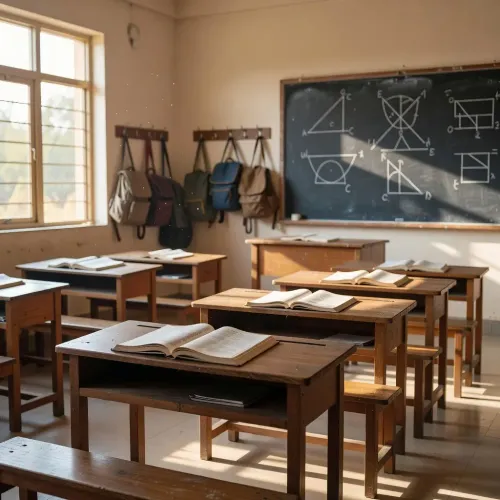
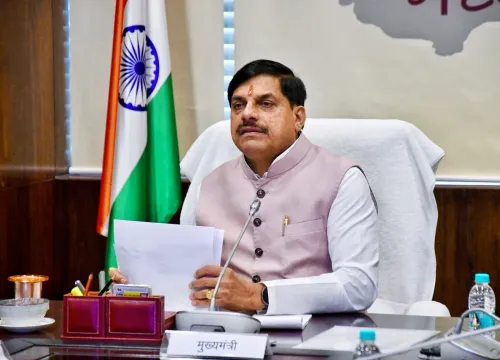
Madhya Pradesh's school network just got a significant push: Madhya Pradesh Chief Minister Dr. Mohan Yadav on Wednesday, October 21, 2026, announced approval for 200 new Sandipani Vidyalayas — and a separate tranche of 200 new Sandipani school buildings earmarked specifically for the state's tribal regions.
From 369 to nearly 600: the scale of expansion
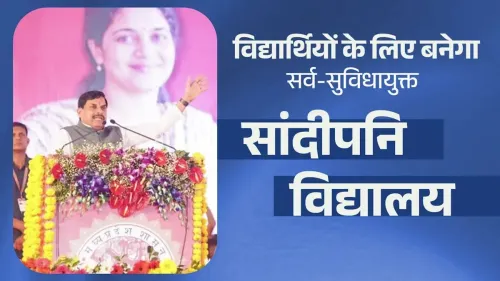
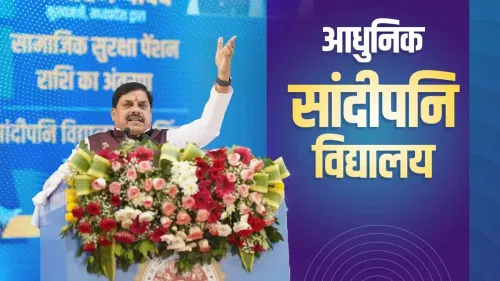
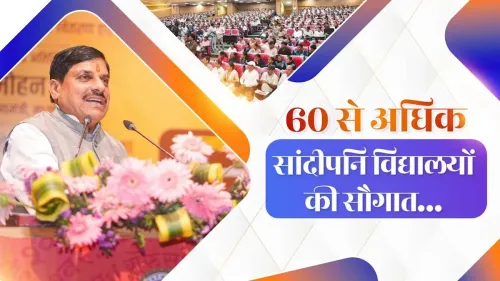
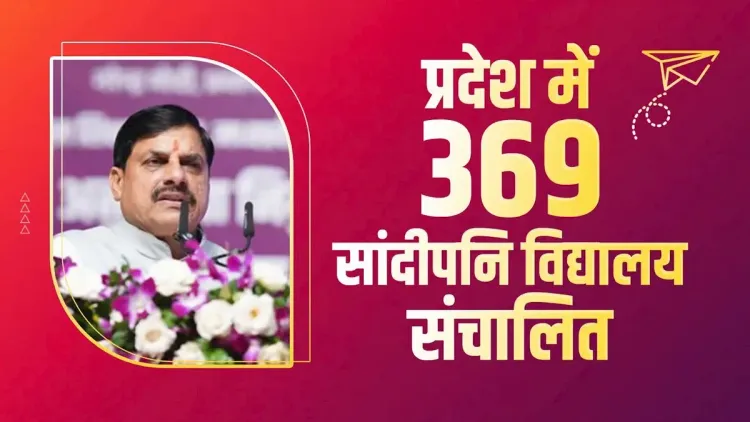
Madhya Pradesh currently operates 369 Sandipani Vidyalayas across the state. With today's approval, that number is set to climb toward the 569-school mark — a jump of roughly 54 percent in sanctioned institutions in a single announcement. CM Yadav stated plainly: 'प्रदेश में 369 सांदीपनि विद्यालय संचालित हैं। आज 200 नए सांदीपनि विद्यालयों को मंजूरी दे रहे हैं' ('369 Sandipani Vidyalayas are operational in the state. Today we are approving 200 new Sandipani Vidyalayas').
The numbers are straightforward — but the geographic intent sharpens the picture. The 200 additional Sandipani buildings are directed at tribal areas of Madhya Pradesh, a deliberate signal that infrastructure gaps in the state's Scheduled Tribe-dominated districts are a priority this phase.
Why tribal districts are the sharper half of this announcement
Madhya Pradesh is home to one of India's largest tribal populations, concentrated in districts such as Balaghat, Mandla, Dindori, Jhabua, and the Satpura belt. Access to quality school infrastructure in these areas has historically lagged behind urban and semi-urban districts. A dedicated tranche of 200 school buildings for these regions targets that structural gap head-on.
The announcement separates two distinct deliverables — new school approvals and new buildings. That distinction matters: it suggests existing infrastructure constraints, and that tribal areas may receive new construction even as the broader 200-school approval moves through administrative channels.
Approvals on paper, construction on the ground
State-level school expansion announcements live or die on execution: funding allocation, land acquisition, contractor timelines, and eventual teacher deployment. The October 21 announcement marks the approval stage — the critical path from sanction to functional classroom is what students and parents in underserved districts will be watching next.
For the roughly 7 crore-plus students enrolled across Madhya Pradesh's government school system, more institutions mean reduced travel distances and better enrolment incentives — outcomes that carry real weight in a state where school dropout rates in tribal belts have been a persistent policy challenge.
Point of View
And dedicated buildings for tribal areas specifically — reflects a pattern in BJP-governed states of pairing headline numbers with targeted outreach to tribal constituencies ahead of political cycles. Madhya Pradesh's significant Scheduled Tribe voter base makes education infrastructure in these districts both a governance imperative and a political asset. The real test will be how quickly approvals translate into functional schools, since similar announcements in the past have faced long gaps between sanction and delivery. Analysts will track whether this round comes with ring-fenced budget lines or relies on existing departmental allocations.
NationPress
21 Oct 2026
Frequently Asked Questions
What are Sandipani Vidyalayas in Madhya Pradesh?
Sandipani Vidyalayas are a network of government-run schools operating across Madhya Pradesh. As of October 2026, 369 such schools are operational in the state.
How many new Sandipani Vidyalayas were approved by CM Mohan Yadav?
200 new Sandipani Vidyalayas were approved by Chief Minister Dr. Mohan Yadav on October 21, 2026 , in addition to 200 new buildings for tribal areas.
Which areas will get the new Sandipani school buildings in MP?
The 200 new Sandipani buildings are specifically earmarked for tribal areas of Madhya Pradesh, targeting districts with historically limited school infrastructure.
What will be the total number of Sandipani Vidyalayas after the expansion?
After the approval of 200 new schools , the total sanctioned count of Sandipani Vidyalayas in Madhya Pradesh will rise to approximately 569 , a jump of around 54 percent.
What is the difference between the 200 new schools and the 200 new buildings announced?
The 200 new Sandipani Vidyalayas are newly approved institutions for the state broadly, while the 200 new buildings are physical construction projects directed specifically at tribal regions of Madhya Pradesh.