CM Mohan Yadav extends Bhavantar Yojana to paddy at Seoni event
Synopsis
Chief Minister Dr. Mohan Yadav announced at Seoni's Dhan Mahotsav on 1 July 2026 that Madhya Pradesh's Bhavantar Yojana price-support scheme will now cover paddy farmers, while also distributing Kodo-Kutki bonuses and inaugurating development works in the district.
Key Takeaways
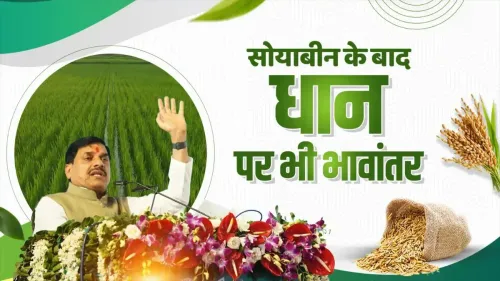
Bhavantar Yojana will now cover paddy (rice) crops , as announced by CM Dr.
Mohan Yadav on 1 July 2026 .
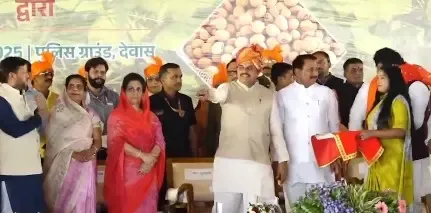
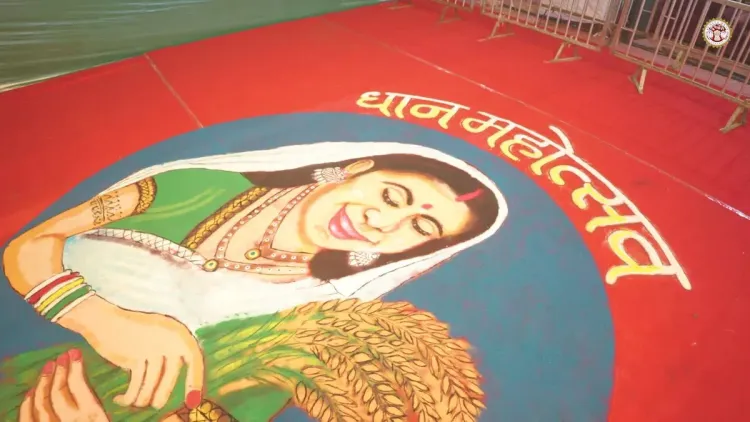
The announcement was made at the Dhan Mahotsav in Seoni district , eastern Madhya Pradesh.
The same event included distribution of bonuses to Kodo-Kutki (minor millet) farmers in the tribal belt.
Several development projects in Seoni received inaugurations and ground-breakings at the programme.
Bhavantar Yojana was originally launched in 2017 for oilseeds and has been progressively expanded to pulses and now paddy.
Operational details and payment modalities for paddy's inclusion are yet to be officially notified.
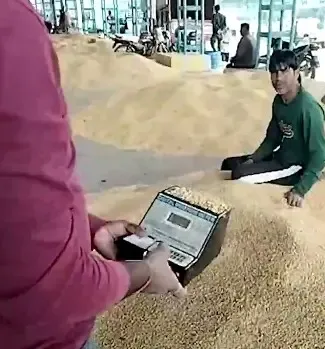
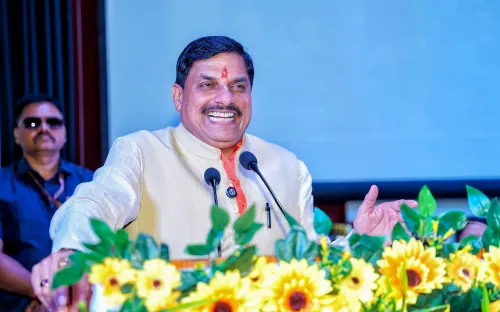
The Chief Minister's Office of Madhya Pradesh announced on Wednesday, 1 July 2026 that the state's price-deficiency payment scheme, Bhavantar Yojana, will now cover paddy (rice) farmers as well, with Chief Minister Dr. Mohan Yadav making the declaration at a farmer-welfare event in Seoni district.
Context
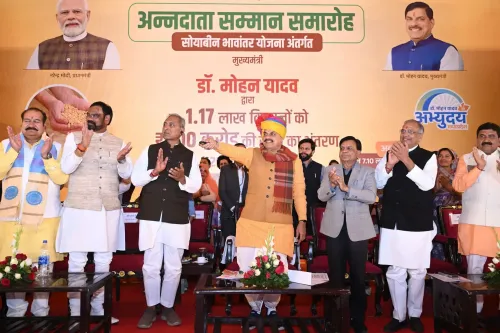
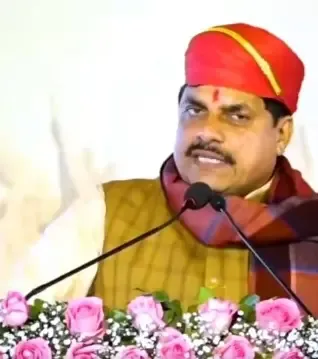
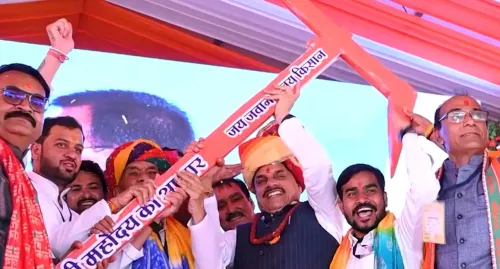
Dr. Mohan Yadav participated in the Dhan Mahotsav (Paddy Festival) in Seoni, an event that also included the distribution of bonuses for Kodo-Kutki (minor millet) growers and the inauguration and ground-breaking of several development projects in the district. The Chief Minister's announcement — 'Dhan ki fasal par bhi milega Bhavantar Yojana ka labh' ('Paddy crops will also get the benefit of Bhavantar Yojana') — signals a significant expansion of the scheme's coverage.
Seoni district in eastern Madhya Pradesh has a sizeable tribal population and is a notable centre of both paddy and coarse-grain cultivation, making it a symbolically apt venue for the announcement.
Policy Backdrop
Bhavantar Yojana was first launched in 2017 to protect soybean and select oilseed farmers from price crashes below the Minimum Support Price (MSP). The scheme works by paying farmers the difference between the MSP and the actual market price, directly into their bank accounts. Over successive state budgets, its coverage was extended to pulses and other crops.
Separately, Madhya Pradesh introduced millet-specific incentives and procurement bonuses after 2018, particularly targeting tribal belt farmers who grow Kodo and Kutki — two minor millets with high nutritional value. State agricultural policy from 2020 onward emphasised crop diversification and the extension of price-support mechanisms to paddy in eastern districts, making the 1 July announcement a continuation of that documented trajectory.
The move also aligns with the national push for farmer income security and fits within the broader Kharif harvest cycle, during which state governments typically roll out procurement and bonus announcements.
Stakeholders and Impact
The primary beneficiaries are paddy farmers in Madhya Pradesh — particularly those in eastern districts such as Seoni — who have historically lacked the price-floor protection that oilseed and pulse growers enjoyed under Bhavantar. For Kodo-Kutki cultivators, the bonus distribution at the same event signals continued state support for minor millets, which are central to food security in tribal areas.
The combined format of the event — scheme expansion, bonus disbursement, and infrastructure ground-breaking — reflects the state government's strategy of bundling welfare and development announcements for maximum outreach in district-level programmes. The Union Ministry of Agriculture (@AgriGoI) and the Madhya Pradesh Agriculture Department (@minmpkrishi) were tagged in the official post, suggesting coordination with central agricultural authorities.
What's Next
The operational details of paddy's inclusion under Bhavantar Yojana — including payment scales, eligible varieties, registration windows, and Kharif 2026 coverage modalities — are yet to be formally notified. Watchers of Madhya Pradesh farm policy will look to the state's next agriculture budget session and official gazette notifications for the fine print.
If implemented at scale, the extension of Bhavantar to paddy could reshape procurement dynamics in eastern Madhya Pradesh, reducing farmer dependence on distress sales and strengthening the state's position as a model for price-deficiency payment schemes ahead of the 2027 state assembly cycle.
Point of View
As rice-growing communities in eastern districts have long sat outside the scheme's price-protection umbrella. By packaging the announcement within a district-level festival that also delivered millet bonuses and infrastructure ground-breakings, the Yadav administration follows a well-worn template of combining welfare optics with tangible local development. The tagging of central agriculture authorities signals an attempt to position the move within the national farm-income security narrative. However, the absence of notified operational details means the announcement's real impact will depend on how quickly the state translates the declaration into gazette notifications and farmer registrations before the Kharif 2026 harvest arrives.
NationPress
1 Jul 2026
Frequently Asked Questions
What is Bhavantar Yojana and how does it help farmers?
Bhavantar Yojana is a Madhya Pradesh government scheme that pays farmers the difference between the Minimum Support Price (MSP) and the actual market price when crop prices fall below MSP, directly crediting the amount to their bank accounts. It was launched in 2017 for oilseeds and has since been expanded to pulses and, as announced on 1 July 2026, to paddy.
Will paddy farmers in Madhya Pradesh get Bhavantar Yojana benefits?
Yes. Chief Minister Dr. Mohan Yadav announced at the Dhan Mahotsav in Seoni on 1 July 2026 that paddy crops will now be covered under Bhavantar Yojana. Detailed eligibility criteria and payment modalities are yet to be officially notified.
What is Kodo-Kutki and why are bonuses given for it?
Kodo and Kutki are minor millets cultivated primarily by tribal farming communities in Madhya Pradesh. The state government provides procurement bonuses for these crops to support farmer incomes and promote millet cultivation in tribal belt districts like Seoni.
Where was the Dhan Mahotsav held and what happened there?
The Dhan Mahotsav (Paddy Festival) was held in Seoni district of eastern Madhya Pradesh on 1 July 2026. Chief Minister Dr. Mohan Yadav attended the event, which included the Bhavantar Yojana expansion announcement, Kodo-Kutki bonus distribution, and inauguration and ground-breaking of development projects.
When was Bhavantar Yojana launched in Madhya Pradesh?
Bhavantar Yojana was launched in Madhya Pradesh in 2017, initially covering soybean and select oilseed crops. It was subsequently expanded to pulses and other crops, and the July 2026 announcement extends it further to paddy.