CM Mohan Yadav Honours Officials, Opens Panchayat Hall in Ujjain
Synopsis
Madhya Pradesh CM Dr. Mohan Yadav visited Gram Dhediya in Ujjain on 8 November 2026, felicitating officials for the district's second-place finish under Mukhyamantri Registry Yojana, inaugurating a ₹2.20 crore panchayat hall, and spotlighting village women earning ₹12,000–₹15,000 monthly through tailoring.
Key Takeaways
74,791 beneficiaries have received home registrations under the Mukhyamantri Registry Yojana statewide so far.
Ujjain district ranks second in Madhya Pradesh for registrations completed under the scheme.
Revenue officers — tehsildars and patwaris — in Ujjain were publicly honoured at Gram Dhediya for outstanding implementation.
A Gram Panchayat Bhawan cum Marriage Garden costing ₹2.20 crore was inaugurated, designed to generate rental income for the panchayat.
Women of Gram Dhediya working in tailoring earn between ₹12,000 and ₹15,000 per month , cited by CM Yadav as a model of rural self-reliance.
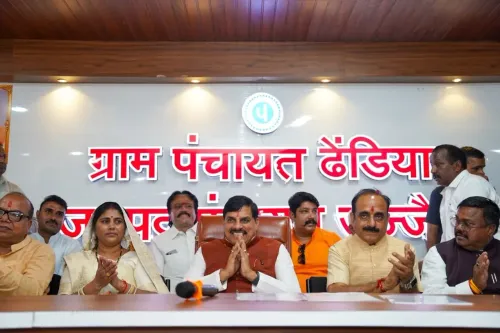
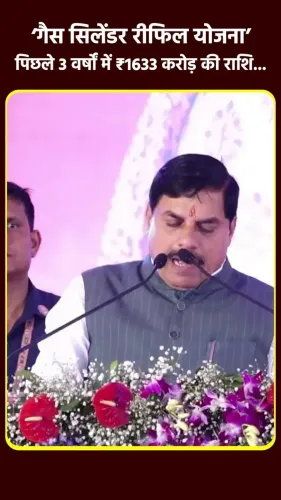
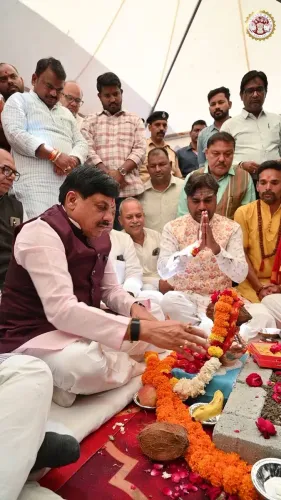
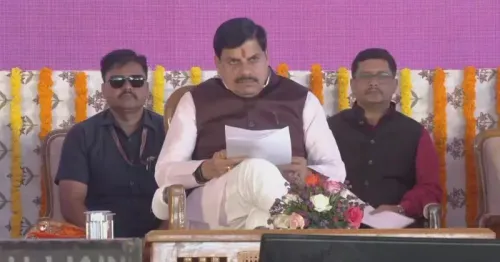
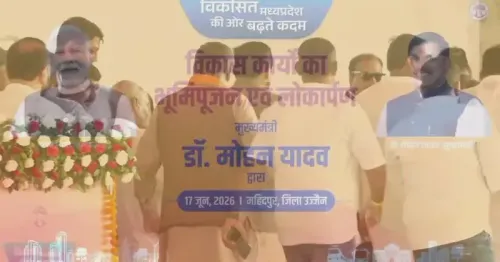
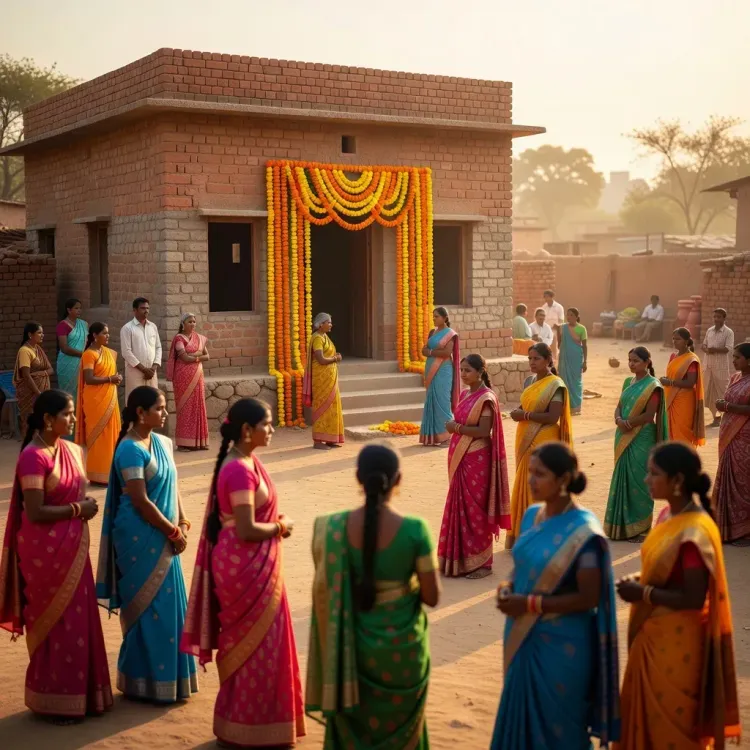
A village in Ujjain district became the stage for three converging signals of rural ambition on Sunday, 8 November 2026, as Madhya Pradesh Chief Minister Dr. Mohan Yadav honoured frontline revenue officials, inaugurated a new community facility, and held up a group of village women earning their own wage as a model for the state.
Ujjain Climbs to Second Place in the Registry Drive
The Mukhyamantri Registry Yojana — the state scheme that cuts through bureaucratic layers to deliver property registration directly to rural homeowners — has now covered 74,791 beneficiaries across Madhya Pradesh, according to Chief Minister Dr. Yadav. Within that statewide count, Ujjain district has secured second position in terms of registrations completed, a performance the Chief Minister publicly credited to its revenue administration.
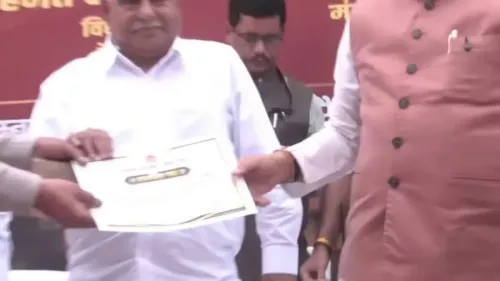
At Gram Dhediya, Dr. Yadav felicitated the tehsildars (sub-divisional revenue officers) and patwaris (village-level land record officials) whose ground-level work drove that ranking. The public recognition is itself a governance signal — that implementation quality at the last mile will be seen and rewarded, not just announced from the top.
A ₹2.20 Crore Building That Earns Its Keep
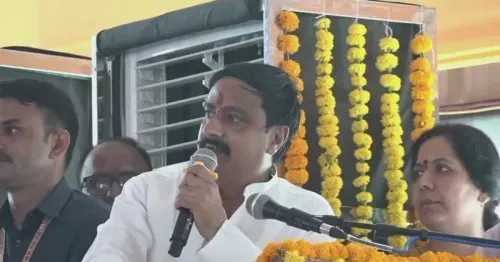
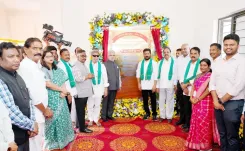
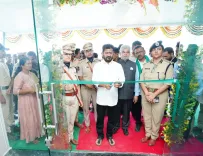
The centrepiece inauguration of the day was a newly constructed Gram Panchayat Bhawan cum Marriage Garden at Gram Dhediya, built at a cost of ₹2.20 crore. The design is deliberately dual-purpose: the structure functions as the panchayat's administrative office while its marriage garden portion can be rented out for social functions at affordable rates.
That rental revenue flows back to the gram panchayat itself — an embedded financing model intended to push village bodies toward fiscal self-reliance rather than perpetual dependence on state grants. 'Gram panchayats will become self-reliant,' Dr. Yadav noted, framing the building not as a gift but as a tool.
Village Women, Needle and Thread, ₹12,000–₹15,000 a Month
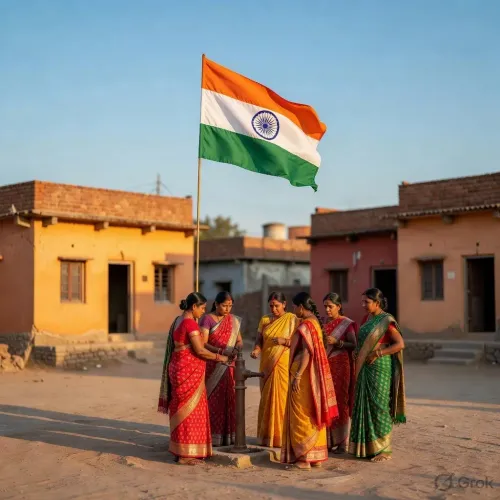
The sharpest human detail in Dr. Yadav's account was about the women of Gram Dhediya working in the textile and tailoring sector and taking home between ₹12,000 and ₹15,000 per month. No external programme was cited as the vehicle — the emphasis was on the outcome: women earning an independent income inside their own village.
The Chief Minister described them as 'aatmnirbharta ki prerna' — 'an inspiration for self-reliance' — and broadened the frame into a thesis: rural empowerment and women's economic independence are, in his formulation, 'the strong foundation of a prosperous and developed Madhya Pradesh.'
Three moments — a ranking, a ribbon-cutting, and a wage — stitched together into a single argument about what the state's development model is supposed to look like at ground level. Whether that argument holds across Madhya Pradesh's thousands of other villages is the question the government has now set itself to answer.
Point of View
A visible infrastructure ribbon-cutting, and a human-interest story about women's earnings into one event that travels well on social media. The public felicitation of patwaris and tehsildars is a less-noticed but significant governance move — incentivising last-mile implementation without changing the scheme's design. The self-financing panchayat hall model, if replicated at scale, could incrementally reduce the fiscal dependency of village bodies, though that outcome depends on demand for the facility and consistent local governance. Taken together, these moves position CM Yadav ahead of ongoing rural outreach cycles as Madhya Pradesh's BJP government seeks to consolidate its grassroots support with demonstrable, nameable results.
NationPress
8 Nov 2026
Frequently Asked Questions
What is Mukhyamantri Registry Yojana in Madhya Pradesh?
Mukhyamantri Registry Yojana is a Madhya Pradesh state scheme that simplifies and facilitates property registration for rural homeowners, bringing the registration process closer to beneficiaries at the village level.
How many beneficiaries have been registered under Mukhyamantri Registry Yojana so far?
According to CM Dr. Mohan Yadav's post on 8 November 2026, 74,791 beneficiaries have had their home registrations completed under the scheme statewide.
What rank does Ujjain district hold in Mukhyamantri Registry Yojana?
Ujjain district holds second place in Madhya Pradesh for the number of property registrations completed under the Mukhyamantri Registry Yojana.
What was inaugurated at Gram Dhediya by CM Mohan Yadav?
CM Dr. Mohan Yadav inaugurated a newly built Gram Panchayat Bhawan cum Marriage Garden at Gram Dhediya in Ujjain district, constructed at a cost of ₹2.20 crore .
How much are women in Gram Dhediya earning from tailoring work?
Women in Gram Dhediya working in the textile and tailoring sector are earning between ₹12,000 and ₹15,000 per month , according to CM Yadav's statement during his visit.