CM Mohan Yadav joins anti-addiction drive in Barwani on Sharad Purnima
Synopsis
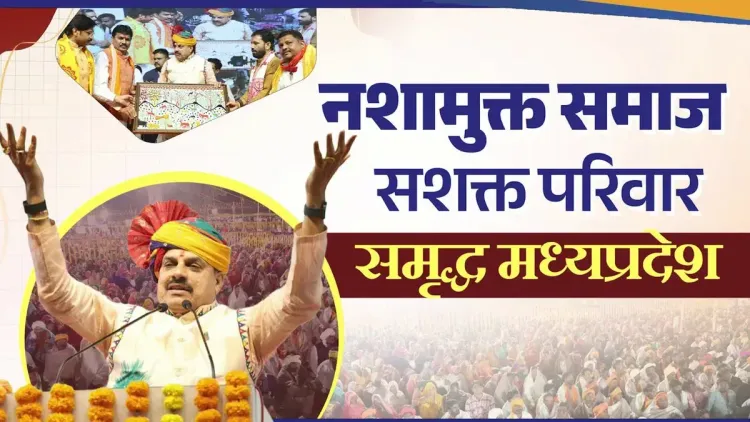
Chief Minister Dr. Mohan Yadav participated in a Shivpanth Satsang de-addiction event in Barwani's Ajgaria on Sharad Purnima, praising community efforts and urging a drug-free, prosperous Madhya Pradesh.
Key Takeaways
Mohan Yadav attended a de-addiction programme at Ajgaria, Barwani district on 26 October 2026 .
The event was organised by Shivpanth Satsang , a community spiritual organisation active in de-addiction work in western Madhya Pradesh.
The visit coincided with the festival of Sharad Purnima , leveraging a large voluntary gathering for public-health messaging.
CM Yadav praised Shivpanth Satsang's efforts and called for a 'drug-free society, empowered family, and prosperous Madhya Pradesh.' Barwani is a tribal-dense district in western MP, a priority zone under the national Nasha Mukt Bharat Abhiyan launched in 2020 .
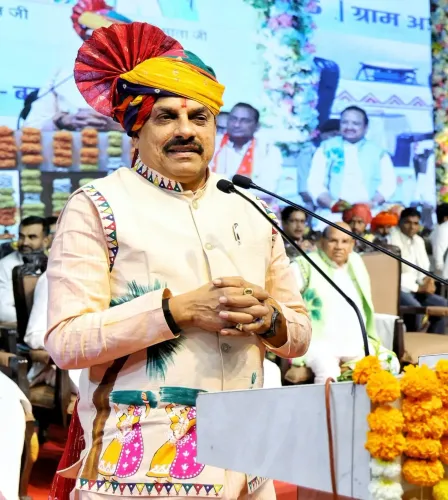
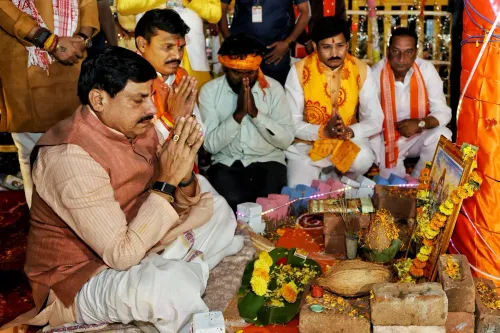
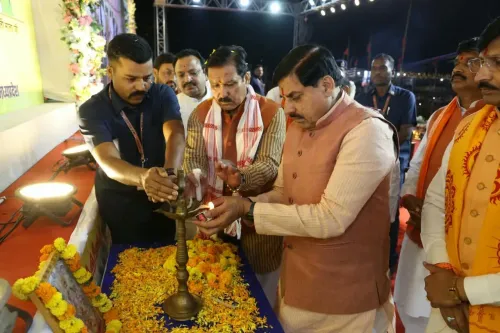
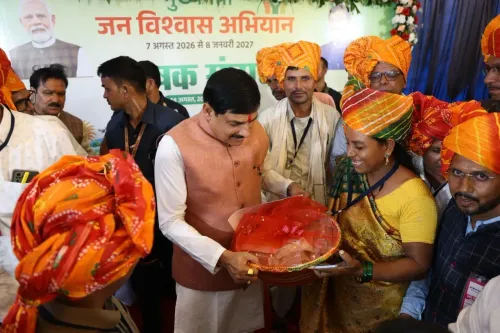
On the auspicious night of Sharad Purnima, Chief Minister Dr. Mohan Yadav travelled to Ajgaria in Barwani district to participate in a de-addiction programme organised by the spiritual body Shivpanth Satsang — a gathering where faith and public-health messaging converged in one of Madhya Pradesh's most tribal-dense western districts.
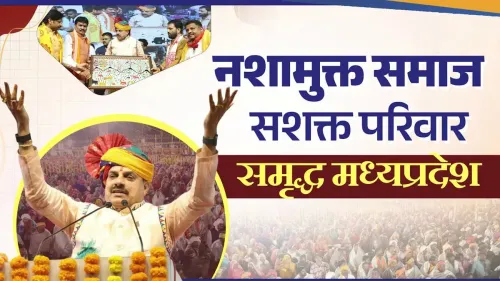
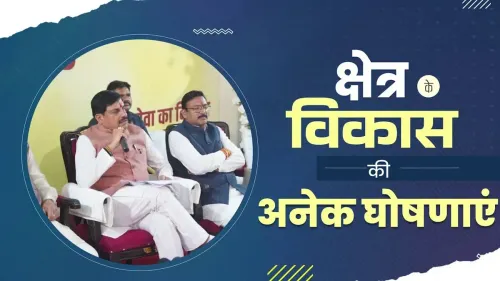
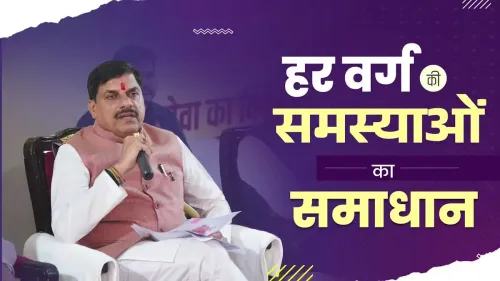
The Chief Minister's Office shared the visit on 26 October 2026, framing it around a three-part vision: 'Nashamukt samaj, sashakt parivar aur samridh Madhya Pradesh' — a drug-free society, an empowered family, and a prosperous Madhya Pradesh. Dr. Yadav praised Shivpanth Satsang's sustained work in community de-addiction and used the platform to urge citizens to keep their distance from substance abuse.
Why Barwani, and why a satsang platform?
Barwani district sits in western Madhya Pradesh with a significant tribal population — precisely the demographic that national and state policymakers have flagged as vulnerable to substance abuse. India's Nasha Mukt Bharat Abhiyan, launched in 2020 by the Ministry of Social Justice and Empowerment, identified tribal and rural belts as priority zones for awareness outreach. State governments, including Madhya Pradesh, have since leaned on local satsang and religious networks to carry that message deeper into villages than any government campaign van can reach.
Shivpanth Satsang is one such network — a community-rooted spiritual organisation that has built trust in the region over years of quiet, consistent programming. A Chief Minister appearing on that stage is not a routine courtesy call; it is a deliberate amplification of grassroots credibility with the weight of the state behind it.
Sharad Purnima as a strategic moment for the message
The timing is pointed. Sharad Purnima draws large voluntary gatherings — families, elders, and youth alike — in a spirit already oriented toward reflection and spiritual renewal. State governments across India routinely use festival congregations to embed welfare messaging because the audience is self-assembled and receptive. Choosing this occasion in a tribal district signals that Dr. Yadav's administration is linking cultural touchstones to its social-welfare calendar rather than confining anti-addiction work to formal health-department events.
For rural youth and tribal families in western Madhya Pradesh, the presence of the Chief Minister at a local satsang carries a direct signal: the state is watching, supporting, and showing up — not just issuing orders from Bhopal.
Point of View
Maximising political and policy optics simultaneously. The real test will be whether such high-visibility visits translate into sustained district-level de-addiction infrastructure.
NationPress
26 Oct 2026
Frequently Asked Questions
What is the Nasha Mukt Bharat Abhiyan?
The Nasha Mukt Bharat Abhiyan is a national campaign launched in 2020 by India's Ministry of Social Justice and Empowerment to reduce substance abuse, with a focus on awareness and de-addiction support in vulnerable rural and tribal communities.
Who is Shivpanth Satsang?
Shivpanth Satsang is a community-rooted spiritual organisation operating in western Madhya Pradesh that conducts de-addiction and social welfare programmes, including the event CM Dr. Mohan Yadav attended in Ajgaria, Barwani.
Why did CM Mohan Yadav visit Barwani for a de-addiction event?
Barwani is a western Madhya Pradesh district with a significant tribal population identified as a priority area for anti-addiction outreach. CM Yadav participated in the Shivpanth Satsang programme on Sharad Purnima to amplify the state's drug-free message in the region.
What did CM Mohan Yadav say at the Ajgaria de-addiction programme?
CM Dr. Mohan Yadav praised Shivpanth Satsang's de-addiction efforts and urged citizens to stay away from drugs, framing his message around the vision of a drug-free society, an empowered family, and a prosperous Madhya Pradesh.
What is the significance of holding the event on Sharad Purnima?
Sharad Purnima draws large voluntary community gatherings, making it an effective occasion for welfare messaging. State governments across India use such festival congregations to embed public-health and social campaigns when audiences are self-assembled and receptive.