CM Conrad Sangma Reviews Ïewduh Market Redevelopment
Synopsis
Meghalaya CM Conrad Sangma reviewed the redevelopment of Ïewduh, Shillong's historic Bara Bazaar, covering street paving, water supply, utility ducts, toilets and waste management — and directed the Urban Affairs Department to accelerate work for vendors, customers and tourists.
Key Takeaways
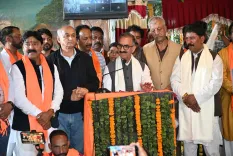
CM Conrad Sangma chaired a review meeting with the Urban Affairs Department on October 26, 2026 .
The review covered street paving, water supply, utility ducts, public toilets , and solid waste management at Ïewduh. Ïewduh, also known as Bara Bazaar , is one of the largest traditional markets in Northeast India and a major cultural landmark in Shillong .
Sangma described the project as 'extensive' and acknowledged work is underway, but directed the team to expedite progress.
The stated beneficiaries are vendors, customers, and tourists who use the market daily.
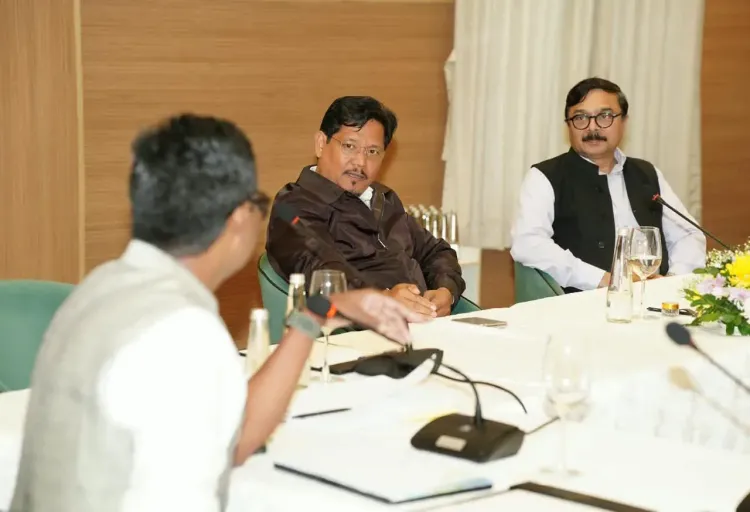
Shillong's most storied marketplace is getting a hard look from the top. Meghalaya Chief Minister Conrad Sangma chaired a review meeting with the Urban Affairs Department on Monday, October 26, 2026, to assess progress on the redevelopment of Ïewduh — the city's centuries-old commercial heart, also known as Bara Bazaar — and ordered the team to pick up the pace.
What the review covered: from cobblestones to waste bins
The meeting was not a ceremonial check-in. Sangma walked through a range of physical components: street paving, water supply lines, utility ducts, public toilets, and solid waste management systems — essentially the full spine of a functioning urban market. That breadth signals the project's ambition: a ground-up infrastructure overhaul, not a cosmetic facelift.
Describing the scale himself, Sangma noted that 'the task is extensive and work is underway,' but made clear that extensive does not mean leisurely. The team has been directed to expedite execution, with three groups named as the priority — vendors, customers, and tourists.
Why Ïewduh matters beyond commerce
Ïewduh is not just a market. Nestled in the heart of Shillong, it is one of the largest traditional markets in Northeast India and a living cultural institution, drawing both locals who have traded here for generations and tourists who visit for the textures, produce, and energy the place radiates. Disruption to its daily rhythm carries political and social weight far beyond a construction delay.
Meghalaya's urban modernisation drive has long tried to thread this needle — upgrading aging infrastructure without choking the trade activity that the upgrades are meant to serve. Improvements to water supply and waste management directly address quality-of-life complaints that vendors and shoppers have raised over the years.
The expedite order and what comes next
The Chief Minister's instruction to 'expedite' is the operative word. Review meetings that end with acceleration orders typically signal that progress has lagged against an internal timeline — and that political will is now being applied directly. Vendor consultations, state budget allocations, and updated project timelines will be the next markers to watch.
For the hundreds of daily traders who set up stalls at Ïewduh and the visitors who crowd its lanes, the real measure will be how quickly the dust settles and the new infrastructure holds up. Sangma has drawn the line — now the Urban Affairs Department has to deliver.
Point of View
And that the political cost of visible market disruption in a culturally significant site is being taken seriously. Integrating street-level utilities like waste management and public toilets into a market upgrade also signals alignment with national urban mission priorities, positioning the project within a larger resource-mobilisation frame. How quickly the Urban Affairs Department translates the CM's directive into on-ground progress will test Meghalaya's execution capacity on urban works.
NationPress
26 Oct 2026
Frequently Asked Questions
What is Ïewduh market in Shillong?
Ïewduh, also called Bara Bazaar, is a historic and culturally significant market in the heart of Shillong, Meghalaya. It is one of the largest traditional markets in Northeast India, frequented by locals, vendors and tourists.
What work is being done at Ïewduh market?
The redevelopment covers street paving, water supply lines, utility ducts, public toilets and solid waste management systems, constituting a comprehensive infrastructure overhaul of the market area.
Why did CM Conrad Sangma hold a review meeting on Ïewduh?
Sangma met the Urban Affairs Department on October 26, 2026, to assess progress on the redevelopment project and directed the team to accelerate work for the benefit of vendors, customers and tourists.
Which department is handling the Ïewduh redevelopment?
The Meghalaya Urban Affairs Department is the nodal agency overseeing the redevelopment and infrastructure upgrades at Ïewduh market in Shillong.
When will the Ïewduh market redevelopment be completed?
No official completion date has been confirmed publicly. CM Sangma described the task as extensive and has asked the Urban Affairs Department to expedite the ongoing work.