CM Sai Approves Key Irrigation Projects for Bastar, Raipur
Synopsis
Chhattisgarh Chief Minister Vishnu Deo Sai announced the approval of significant irrigation projects for Bastar and Raipur divisions on 9 July 2026, pledging to expand farm water access and strengthen the agricultural sector across the state, including its historically underserved tribal south.
Key Takeaways
Chief Minister Vishnu Deo Sai announced approval of irrigation projects for Bastar and Raipur divisions on 9 July 2026 .
Bastar has historically had lower irrigation coverage than central Chhattisgarh , with tribal farmers most dependent on rain-fed agriculture.
The approvals align with the Central government's Pradhan Mantri Krishi Sinchayee Yojana , launched in 2015 .
Expanded irrigation is expected to raise cropping intensity and rural incomes in both divisions.
Tribal communities in Bastar are among the primary intended beneficiaries, with potential to reduce distress migration.
Project execution timelines, tendering, and budget allocations are the immediate milestones to watch.
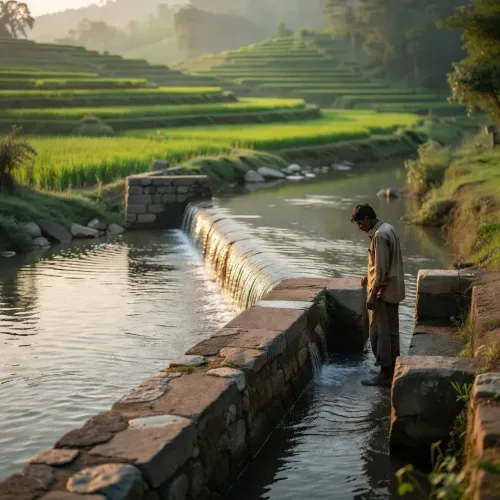
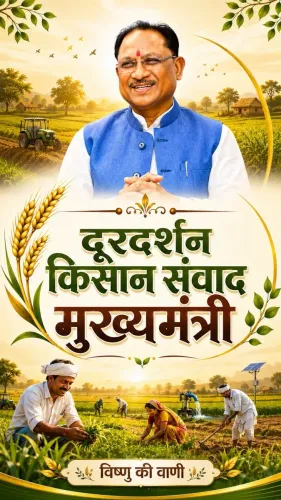
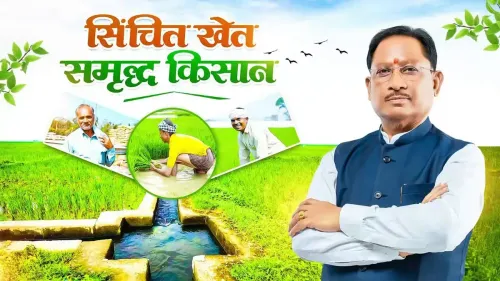
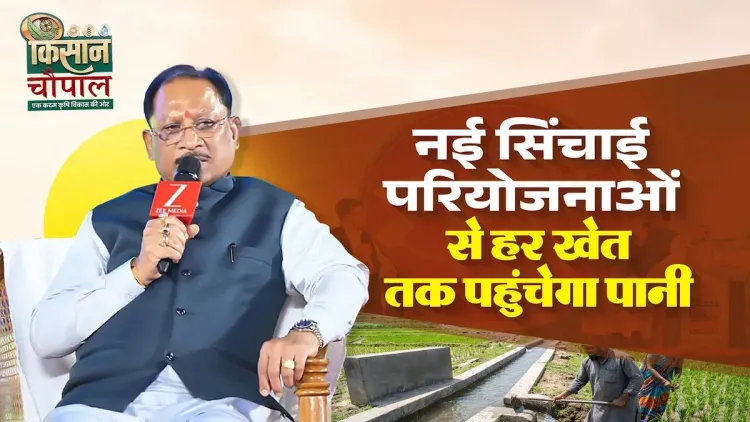
Chhattisgarh Chief Minister Vishnu Deo Sai on Thursday, 9 July 2026 announced that his government has approved significant irrigation projects in the Bastar and Raipur divisions, reaffirming its commitment to ensuring water access for every farm and prosperity for every farmer in the state.
Posting on X, Chief Minister Sai wrote: 'हर खेत तक पानी पहुंचे और हर किसान समृद्ध बने' ['Water should reach every farm and every farmer should prosper'] — framing the approvals as part of a sustained policy resolve rather than a one-off administrative decision. He noted that the projects would expand the scope of irrigation and bring new strength to the agricultural sector.
Context
Bastar, a large southern division of Chhattisgarh, has historically suffered from limited irrigation infrastructure relative to the state's central plains. The region is home to a substantial tribal population whose livelihoods depend heavily on rain-fed agriculture, making it particularly vulnerable to erratic monsoons. Raipur division, which includes the state capital, encompasses significant cultivated land that can benefit from enhanced canal and tank networks.
Chhattisgarh's irrigation coverage in its southern and tribal districts has lagged behind national averages for decades. Successive state governments have attempted to address this gap through canal, tank, and micro-irrigation schemes, but progress has been uneven, especially in conflict-affected parts of Bastar.
Policy Backdrop
The approvals align with the Central government's Pradhan Mantri Krishi Sinchayee Yojana (PMKSY), launched in 2015, which aims to accelerate irrigation coverage and improve water-use efficiency across states, including Chhattisgarh. The scheme operates on the principle of 'Har Khet Ko Pani, Har Drop More Crop,' a philosophy that Chief Minister Sai's announcement directly echoes.
After the 2023 Chhattisgarh assembly elections, the BJP government identified irrigation expansion in Bastar and other divisions as a priority for rural and agricultural growth. The latest approvals represent a concrete administrative step toward that stated goal, channelling policy intent into project sanctions.
Stakeholders and Impact
The primary beneficiaries are farmers and tribal communities across Bastar and Raipur divisions. Enhanced irrigation is expected to raise cropping intensity — enabling double or even triple cropping in areas currently dependent on a single monsoon crop — thereby boosting rural incomes and food security.
Tribal farmers in Bastar, who constitute a large share of the region's agricultural workforce, stand to gain disproportionately from reduced dependence on rainfall. Improved water access can also reduce distress migration from tribal villages to urban centres, a persistent socioeconomic challenge in southern Chhattisgarh.
What's Next
Attention will now shift to state budget allocations, tendering timelines, and any central funding releases under ongoing irrigation schemes for the approved projects. The speed of project execution will be a key measure of the government's delivery capacity, particularly in Bastar, where logistical and infrastructure challenges have historically slowed implementation.
Broader agricultural outcomes — including changes in cropping patterns, farmer incomes, and irrigation coverage ratios — will serve as longer-term benchmarks for the success of this initiative. If executed effectively, the projects could help narrow the longstanding development gap between Chhattisgarh's tribal south and its more prosperous central districts.
Point of View
With irrigation approvals for Bastar serving a dual purpose: agricultural uplift and political outreach to tribal communities ahead of future electoral cycles. The focus on Bastar is particularly significant — it is the state's most politically and developmentally complex region, where improved infrastructure can shift both livelihoods and perceptions of governance. Framing the approvals around the 'har khet tak pani' slogan ties state action directly to Central BJP policy, reinforcing a narrative of federal alignment. The real test, however, lies in execution: Bastar's difficult terrain and historical implementation gaps mean that project sanctions alone will not move the needle without sustained administrative follow-through.
NationPress
7 Oct 2026
Frequently Asked Questions
What irrigation projects did Chhattisgarh CM Vishnu Deo Sai approve?
Chief Minister Vishnu Deo Sai announced the approval of significant irrigation projects in the Bastar and Raipur divisions of Chhattisgarh on 9 July 2026, aimed at expanding farm water access and strengthening the agricultural sector. Specific project names and costs were not disclosed in the announcement.
Why is irrigation in Bastar significant for Chhattisgarh?
Bastar is a large, predominantly tribal division in southern Chhattisgarh where irrigation coverage has historically been far below the state average, leaving farmers heavily dependent on monsoon rainfall. Improved irrigation can raise cropping intensity, boost incomes, and reduce distress migration from the region.
How does this relate to the Pradhan Mantri Krishi Sinchayee Yojana?
The Pradhan Mantri Krishi Sinchayee Yojana, launched by the Central government in 2015, aims to expand irrigation coverage and water-use efficiency across India, including Chhattisgarh. The state government's latest approvals are in line with this national framework and may draw on central funding under the scheme.
Who benefits from the new irrigation approvals in Chhattisgarh?
Farmers and tribal communities in the Bastar and Raipur divisions are the primary beneficiaries. Tribal farmers in Bastar, who rely heavily on rain-fed single-crop agriculture, stand to gain the most from reduced dependence on monsoon water.
What should we watch for after this irrigation announcement in Chhattisgarh?
Key developments to watch include state budget allocations for the approved projects, tendering timelines, and any central funding releases under irrigation schemes. Longer-term indicators include changes in cropping patterns, farmer incomes, and irrigation coverage ratios in Bastar and Raipur.