CM Mohan Yadav Launches Gwalior TMZ Phase 2, Eyes ₹3600 Cr
Synopsis
Madhya Pradesh CM Dr. Mohan Yadav and Union Minister Jyotiraditya Scindia launched Phase 2 of Asia's first Telecom Manufacturing Zone in Gwalior at Bhopal's Telecom Manufacturing Zone Investor Meet 2026, issuing Letters of Intent to 25 firms targeting ₹3,600 crore in investment and over 22,500 jobs.
Key Takeaways
Phase 2 of the Gwalior Telecom Manufacturing Zone was launched at a Bhopal investor meet on 19 November 2026 .
The zone spans approximately 450.45 acres and is billed as Asia's first dedicated telecom manufacturing cluster.
25 companies received Letters of Intent, representing proposed investments of approximately ₹3,600 crore .
The investments are projected to create approximately 22,583 employment opportunities in Madhya Pradesh.
Union Minister Jyotiraditya Scindia co-presided, signalling central government alignment with the initiative.
The project aligns with India's PLI scheme for telecom products (2021) and the broader Atmanirbhar Bharat manufacturing push.
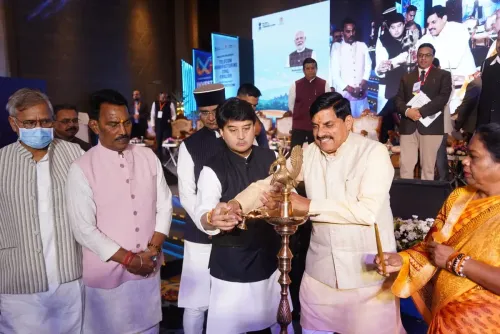
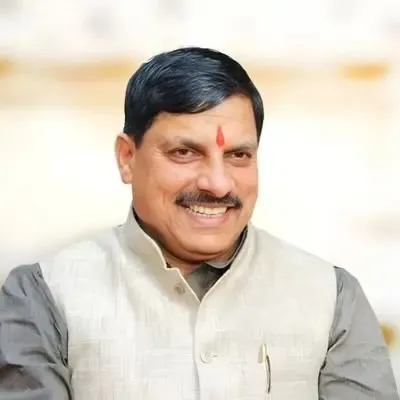
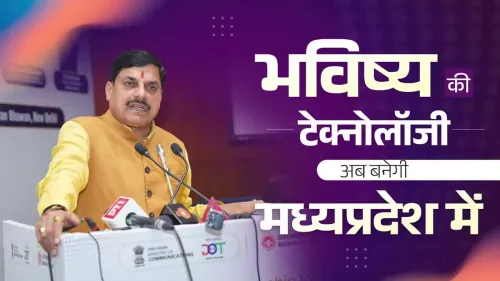
Asia's first Telecom Manufacturing Zone just got bigger. Madhya Pradesh Chief Minister Dr. Mohan Yadav on Thursday, 19 November 2026, launched the second phase of the Gwalior Telecom Manufacturing Zone (TMZ) at a high-profile Investor Meet in Bhopal — a moment that signals Madhya Pradesh's sharpest bid yet to plant itself on India's electronics manufacturing map.
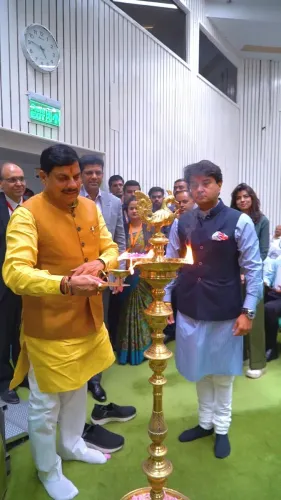
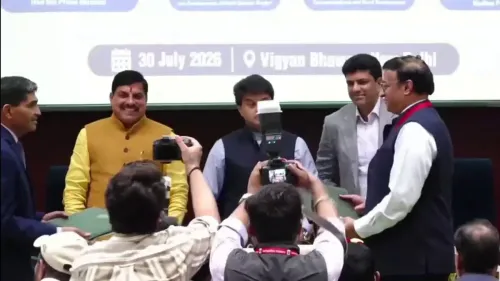
Joining the Chief Minister at the event was Union Minister Jyotiraditya Scindia, whose presence underlined the Centre's stake in this project. The two leaders together handed over Letters of Intent (LoI) to 25 companies, converting declared interest into the first formal step toward factory floors. The proposed investments are pegged at approximately ₹3,600 crore, with the potential to generate close to 22,583 jobs in and around Gwalior.
450 Acres, One Ambitious Blueprint
Spread across approximately 450.45 acres on the outskirts of Gwalior, the TMZ is billed as Asia's first dedicated telecom manufacturing cluster — a distinction the Madhya Pradesh government has anchored its pitch firmly around. The zone is designed to consolidate the entire telecom and electronics value chain under one industrial roof: components, devices, testing, and ancillary services, all in proximity.
Phase 2's launch signals that Phase 1 has cleared enough ground — literally and administratively — for the state to invite the next wave of investors. Cabinet ministers Chetanya Kashyap, Tulsi Silawat, Pradhuman Singh Tod, and Vishvas Sarang were present, giving the event visible political weight from across the state cabinet.
Where Gwalior Fits in India's Self-Reliance Push
The Gwalior TMZ sits squarely inside the larger Atmanirbhar Bharat (self-reliant India) framework. India's Production Linked Incentive (PLI) scheme for telecom and networking products, launched in 2021, was designed precisely to seed this kind of domestic manufacturing muscle — reducing import dependence on Chinese components and building an export-capable supply chain.
Madhya Pradesh is now racing to position Gwalior as the northern anchor of that ecosystem. The state has competition: Tamil Nadu, Uttar Pradesh, and Telangana have all moved aggressively to attract semiconductor and electronics investments. But a dedicated, Asia-first TMZ tag is a rare differentiator — if the Letters of Intent translate into working units on schedule.
From LoIs to Live Factories: The Real Test Ahead
An LoI is a declaration of intent, not a sod-turning ceremony. The critical metric over the next 12 to 24 months will be how many of the 25 companies that received letters today progress to binding agreements, begin construction, and ultimately hire from Gwalior's workforce. India's industrial history is littered with investment summits where promised crores moved slowly from pledge to plant.
What gives this round more credibility than a typical roadshow is the physical infrastructure already underway across those 450.45 acres — roads, power, and utilities that lower the first-mover risk for manufacturers. The state's ability to clear regulatory hurdles quickly will determine whether the ₹3,600 crore headline becomes a factory floor or a footnote.
Gwalior has the zone, the acreage, and now the political backing of both a Chief Minister and a Union Minister. The only question left is whether industry delivers on the ink.
Point of View
Reducing investor hesitancy. The ₹3,600 crore figure and 22,583-jobs target are the kind of round-number ambitions that benchmarks future political accountability — Yadav has set a bar his administration will be measured against. For Gwalior itself, success here would mark a structural economic transformation, shifting the city from its heritage and agricultural identity toward an industrial one at a pace not seen since liberalisation.
NationPress
19 Nov 2026
Frequently Asked Questions
What is the Gwalior Telecom Manufacturing Zone?
The Gwalior Telecom Manufacturing Zone (TMZ) is Asia's first dedicated telecom and electronics manufacturing cluster, being developed across approximately 450.45 acres in Gwalior, Madhya Pradesh, to attract private investment in telecom component and device manufacturing.
What happened at the Telecom Manufacturing Zone Investor Meet 2026 in Bhopal?
On 19 November 2026, Madhya Pradesh CM Dr. Mohan Yadav and Union Minister Jyotiraditya Scindia launched Phase 2 of the Gwalior TMZ at an investor meet in Bhopal, issuing Letters of Intent to 25 companies with projected investments of ₹3,600 crore and 22,583 jobs.
How many jobs will the Gwalior TMZ Phase 2 create?
According to the state government, the Letters of Intent issued to 25 companies at the Phase 2 launch are projected to generate approximately 22,583 employment opportunities in Madhya Pradesh.
How does the Gwalior TMZ relate to the PLI scheme for telecom?
India's Production Linked Incentive (PLI) scheme for telecom and networking products, launched in 2021 under the Atmanirbhar Bharat initiative, is designed to boost domestic manufacturing of the kind the Gwalior TMZ is built to host — the zone serves as a physical infrastructure anchor for companies seeking PLI benefits.
Why is Jyotiraditya Scindia involved in the Gwalior TMZ launch?
Jyotiraditya Scindia is a Union Minister and has strong political and historical ties to Gwalior. His presence at the Phase 2 launch signals central government support for the project and reinforces coordination between the Madhya Pradesh state government and New Delhi on industrial development.