CM Mohan Yadav Orders Bhopal Memorial, Biometric Reforms
Synopsis
Madhya Pradesh CM Dr. Mohan Yadav on 2 July 2026 ordered a work-plan for a grand memorial on the former Union Carbide site in Bhopal, biometric attendance in key secretariats, Home Guard temple deployments, and a 20% Agniveer quota in Special Armed Force recruitment.
Key Takeaways
Mohan Yadav issued multiple governance directives via X on 2 July 2026 .
Officials are directed to prepare a work-plan for a grand memorial on the former Union Carbide land in Bhopal, site of the 1984 gas tragedy .
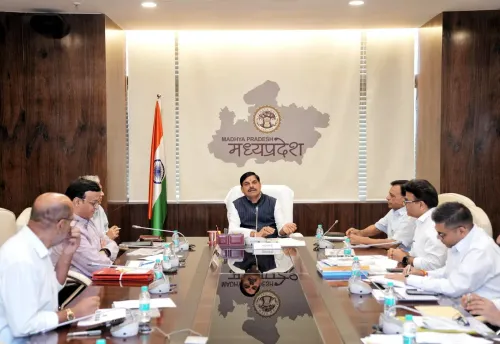
Biometric attendance systems are to be implemented at Mantralaya, Satpura Bhawan, and Vindhyachal Bhawan to strengthen administrative accountability.
Home Guards are to be recruited and posted at major temples across Madhya Pradesh.
A 20% reservation for Agniveers is to be ensured in Special Armed Force constable recruitment, aligning with the Central government's Agnipath scheme of 2022.
Formal government orders and recruitment notifications will be the key indicators of implementation progress.
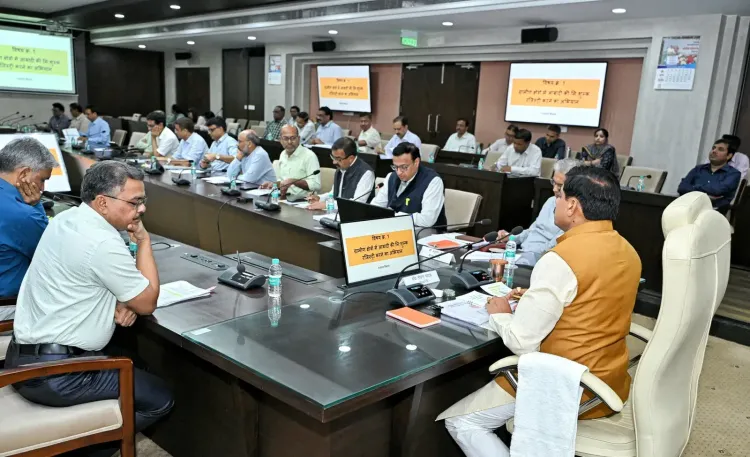
Madhya Pradesh Chief Minister Dr. Mohan Yadav on Thursday, 2 July 2026, issued a series of governance directives covering a grand memorial on the former Union Carbide land in Bhopal, biometric attendance in key secretariat buildings, Home Guard deployment at major temples, and a 20% reservation for Agniveers in Special Armed Force constable recruitment.
Context
Posting on X, Dr. Mohan Yadav directed officials to 'yooнion carbide ki bhoomi par bhavy smarak nirman ki karyayojana taiyar karein' — 'prepare a work-plan for constructing a grand memorial on the Union Carbide land.' The post also called for biometric attendance systems to be implemented at the Mantralaya, Satpura Bhawan, and Vindhyachal Bhawan secretariat complexes to strengthen good governance.
The 1984 Bhopal Gas Tragedy, caused by a toxic leak at the Union Carbide pesticide plant, killed thousands and left lasting health damage across generations. The former plant site has been the subject of memorial and remediation proposals by successive Madhya Pradesh governments since the 1990s, with renewed momentum after 2010.
Policy Backdrop
Biometric attendance systems were first introduced in Madhya Pradesh secretariats from around 2015 onward under earlier administrations to improve employee accountability. The current directive extends or reinforces that framework across the three major administrative buildings in Bhopal.
On the Agniveer front, the Agnipath scheme, launched by the Central government in 2022, offers four-year defence service terms and encourages states to provide reservation or preference to Agniveers in police and armed forces recruitment. Several BJP-governed states have moved to formalise such quotas; Madhya Pradesh is now directed to ensure a 20% reservation in Special Armed Force constable posts for this category.
Home Guards in Madhya Pradesh have historically been deployed at major religious sites and during large events under successive state governments. The new directive formalises their recruitment and posting at prominent temples.
Stakeholders and Impact
Survivors of the Bhopal Gas Tragedy and advocacy groups have long demanded a dignified, permanent memorial at the Union Carbide site. A formal work-plan order from the Chief Minister could accelerate a process that has stalled repeatedly over three decades.
Madhya Pradesh government employees across the three secretariat complexes will be directly affected by the biometric rollout, which is designed to improve punctuality and reduce absenteeism. Agniveers completing their four-year tenures stand to benefit from a structured quota pathway into state armed forces, providing greater post-service security.
Home Guards seeking regular deployment will see new postings at major temples, while religious sites gain a dedicated auxiliary security presence. The combined set of directives signals the BJP-led state government's intent to link administrative efficiency, historical acknowledgement, and central scheme alignment in a single policy push.
What's Next
The immediate watch-points are the issuance of formal government orders or tenders for the Union Carbide memorial construction and the biometric system rollout. Recruitment advertisements specifying the 20% Agniveer quota and Home Guard temple postings will indicate how quickly the directives translate into operational action.
The pace of follow-through will determine whether these announcements mark a decisive governance shift or join the long list of unimplemented proposals on Bhopal's most sensitive piece of land.
Point of View
Potentially softening opposition among ex-servicemen communities in Madhya Pradesh. Whether the memorial announcement breaks the three-decade cycle of stalled proposals will be the real test of political will.
NationPress
2 Jul 2026
Frequently Asked Questions
What did MP CM Mohan Yadav announce about the Union Carbide land in Bhopal?
On 2 July 2026, CM Dr. Mohan Yadav directed officials to prepare a work-plan for constructing a grand memorial on the former Union Carbide plant land in Bhopal, the site of the 1984 gas tragedy.
What is the biometric attendance order for Madhya Pradesh secretariats?
CM Yadav directed that biometric attendance systems be implemented at Mantralaya, Satpura Bhawan, and Vindhyachal Bhawan in Bhopal to improve employee accountability and strengthen good governance.
What reservation has Madhya Pradesh announced for Agniveers?
The CM directed that a 20% reservation be ensured for Agniveers — personnel completing service under the Central government's Agnipath scheme — in Special Armed Force constable recruitment in Madhya Pradesh.
What is the role of Home Guards in the new MP government directive?
The directive calls for fresh recruitment of Home Guards and their deployment at major temples across Madhya Pradesh, formalising a practice that has existed informally under successive state governments.
What is the current status of the Bhopal Union Carbide memorial plan?
Madhya Pradesh governments have announced memorial plans at the Union Carbide site periodically since the 1990s; the July 2026 directive orders a fresh work-plan, but formal government orders and tenders are yet to be issued.