CM Mohan Yadav Pays Tribute to Mangal Pandey on Birth Anniversary
Synopsis
Madhya Pradesh Chief Minister Dr. Mohan Yadav on 19 July 2026 honoured Mangal Pandey, the 1857 revolt hero, on his birth anniversary, saying India will remain indebted to him for eternity and calling his legacy a message of dedication and self-respect for every Indian.
Key Takeaways
Mohan Yadav , Chief Minister of Madhya Pradesh , paid tribute to Mangal Pandey on his birth anniversary on 19 July 2026 .
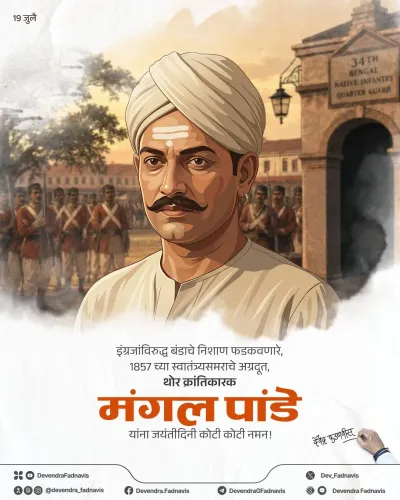
Mangal Pandey was a sepoy in the 34th Bengal Native Infantry whose defiance in March 1857 is seen as an early spark of the First War of Independence.
The Chief Minister described Pandey's sacrifice as a message of 'dedication and self-respect towards the motherland' for every Indian.
He stated that 'the nation will remain indebted to him for eternity.' The tribute comes weeks ahead of Independence Day on 15 August , a period of heightened patriotic commemoration across India.
No new state government scheme or programme tied specifically to the 2026 anniversary has been announced.
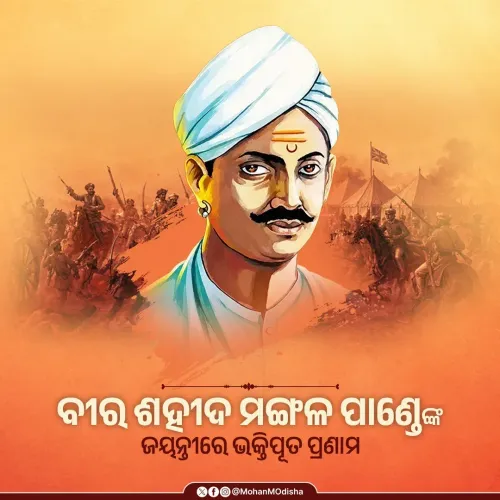
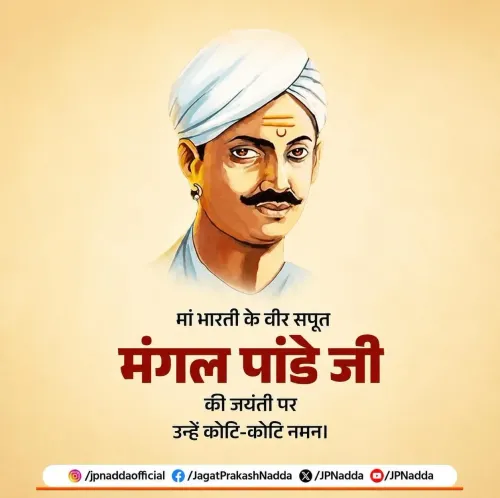
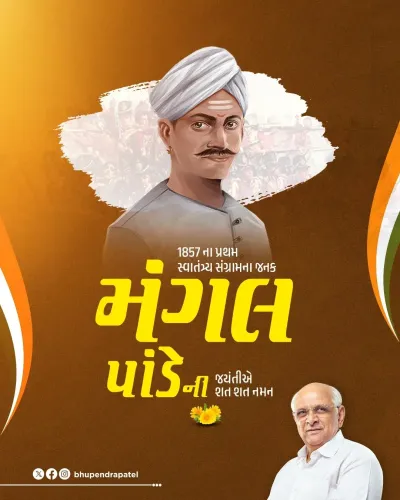
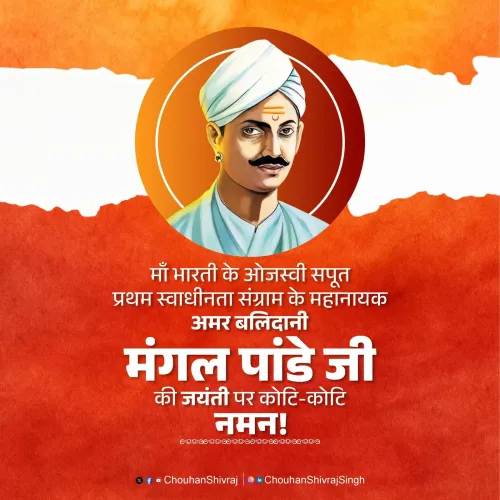
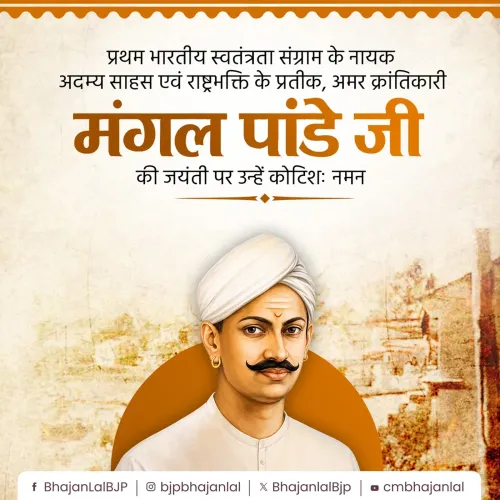
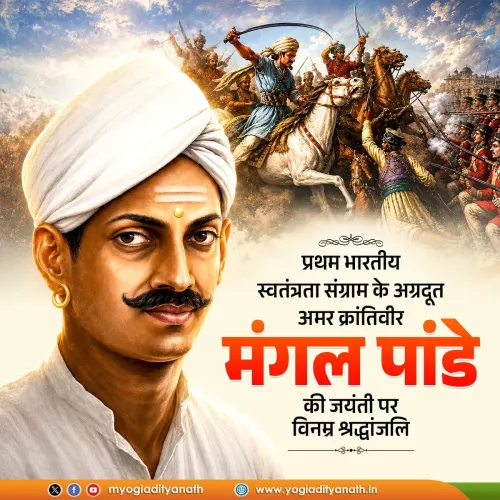
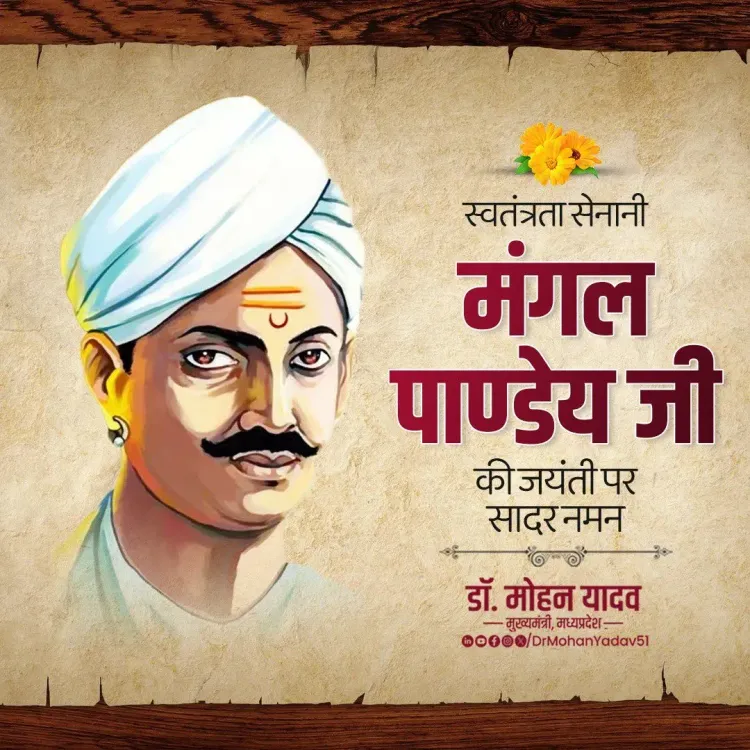
Madhya Pradesh Chief Minister Dr. Mohan Yadav on Sunday, 19 July 2026, paid homage to Mangal Pandey, the celebrated sepoy-hero of the 1857 First War of Independence, on the occasion of Pandey's birth anniversary. In a post on X, the Chief Minister saluted Pandey's sacrifice and called his legacy an enduring source of inspiration for every Indian.
Posting in Hindi, Dr. Yadav wrote: '1857 के प्रथम स्वतंत्रता संग्राम के अमर क्रांतिनायक मंगल पाण्डेय जी की जयंती पर सादर नमन करता हूं' — 'I respectfully bow in tribute on the birth anniversary of Mangal Pandey, the immortal revolutionary hero of the First War of Independence of 1857.' He added that Pandey's sacrifice and patriotism convey a message of dedication and self-respect towards the motherland, and that 'the nation will remain indebted to him for eternity.'
Context
Mangal Pandey was a sepoy in the 34th Bengal Native Infantry of the British East India Company. His act of open defiance against British officers in March 1857 is widely regarded as one of the earliest sparks of the broader sepoy revolt that swept across northern and central India that year. The uprising is commemorated in India as the First War of Independence, a framing that underscores its place in the national imagination as a precursor to the eventual freedom struggle.
Pandey was executed by British authorities on 8 April 1857, but his name became a rallying symbol for anti-colonial sentiment. His birth anniversary on 19 July is observed each year with tributes from political leaders, historians, and cultural organisations across the country.
Policy Backdrop
Commemorating figures from the 1857 revolt has been a consistent feature of Indian political culture across party lines. Leaders at the national and state level routinely mark birth and martyrdom anniversaries of key figures from the uprising, using the occasions to reinforce themes of national pride, sacrifice, and patriotism. For the ruling Bharatiya Janata Party (BJP), the legacy of 1857 holds particular ideological resonance, with the revolt frequently cited in party discourse as evidence of India's deep-rooted civilisational resistance to colonial rule.
Such commemorations do not typically involve new legislative or policy announcements, but they often precede or accompany state-level cultural programmes, particularly in the weeks leading up to Independence Day on 15 August.
Stakeholders and Impact
The tribute is addressed to the broad Indian public, especially students and citizens for whom figures like Mangal Pandey form a core part of the national historical narrative. Madhya Pradesh, which sits at the heart of the region most affected by the 1857 uprising, has a particular cultural stake in the memory of that revolt. Schools, cultural bodies, and history organisations in the state regularly hold events around such anniversaries.
Dr. Yadav's post, carrying the hashtags #मंगल_पांडे and #MangalPandey, is likely to amplify public engagement with the anniversary on social media, drawing attention from citizens, educators, and fellow political leaders.
What's Next
With Independence Day less than a month away, tributes to 1857 figures are expected to increase in frequency from leaders across the political spectrum. State governments, including Madhya Pradesh, may organise cultural and educational programmes that reference the revolt and its heroes. Dr. Yadav's post sets the tone for a period of heightened patriotic commemoration that traditionally culminates on 15 August, and underscores the BJP-led state government's intent to keep the memory of India's earliest freedom fighters at the forefront of public consciousness.
Point of View
The Chief Minister reinforces a broader party effort to present BJP-governed states as custodians of nationalist memory. Such commemorations rarely translate into immediate policy but serve as cultural signalling to a voter base that responds strongly to themes of sacrifice and civilisational pride. The timing also positions the state government ahead of Independence Day events where these historical references are likely to feature prominently.
NationPress
19 Jul 2026
Frequently Asked Questions
Who was Mangal Pandey?
Mangal Pandey was a sepoy in the 34th Bengal Native Infantry of the British East India Company whose act of open defiance against British officers in March 1857 is widely regarded as one of the earliest sparks of the First War of Independence. He was executed on 8 April 1857 and is remembered as a national hero in India.
When is Mangal Pandey's birth anniversary?
Mangal Pandey's birth anniversary is observed on 19 July each year.
What did CM Mohan Yadav say about Mangal Pandey?
CM Dr. Mohan Yadav said that Mangal Pandey's sacrifice and patriotism convey a message of dedication and self-respect towards the motherland for every Indian, and that the nation will remain indebted to him for eternity.
What was the 1857 First War of Independence?
The 1857 uprising, referred to in India as the First War of Independence, began with sepoy mutinies against British East India Company rule and spread across northern and central India. It is considered a foundational moment in India's anti-colonial history.
Why do Indian leaders pay tribute to 1857 figures every year?
Indian political leaders across parties routinely mark birth and martyrdom anniversaries of 1857 figures to reinforce themes of national pride and sacrifice. These commemorations are especially prominent in the weeks leading up to Independence Day on 15 August.