Piyush Goyal: J&K Cherries, Plums Reach Singapore
Synopsis
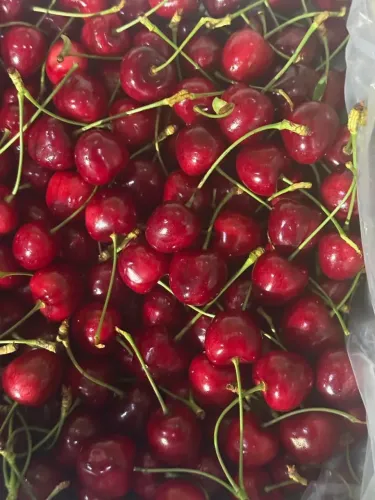
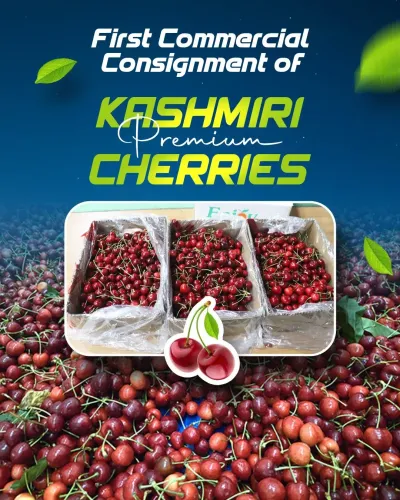
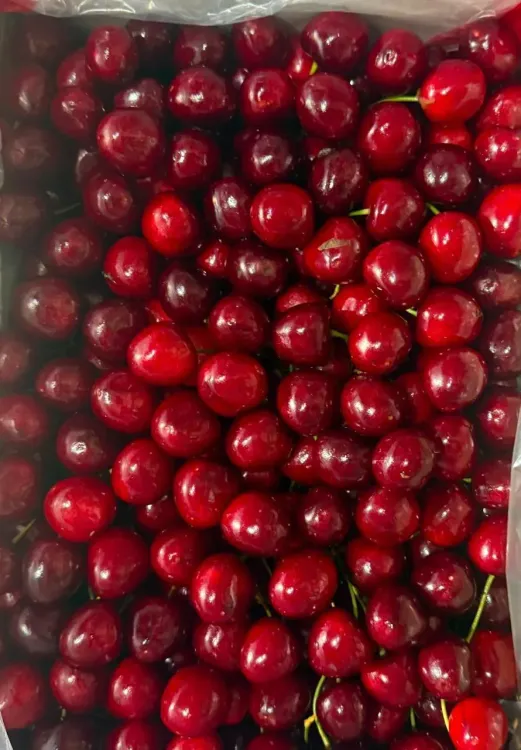
Union Commerce Minister Piyush Goyal on 19 July 2026 announced the first shipment of premium Areco cherries and Centrose plums from Shopian and Pulwama to Singapore, facilitated by APEDA, aiming to give J&K horticulture farmers direct access to global markets and better price realisations.
Key Takeaways
The first consignment of premium Areco cherries and Centrose plums from Shopian and Pulwama has been dispatched to Singapore .
The shipment was facilitated by APEDA under the Ministry of Commerce and Industry.
The initiative aims to give Jammu and Kashmir horticulture farmers better prices and direct global market access .
The move aligns with India's Agricultural Export Policy of 2018 and the post-2019 push to integrate J&K's economy through horticulture value chains.
Singapore is an established trade partner under the India-Singapore CECA (2005) , providing a preferential framework for such exports.
Success of the pilot could serve as a template for expanding variety-specific export programmes across other J&K horticulture districts.
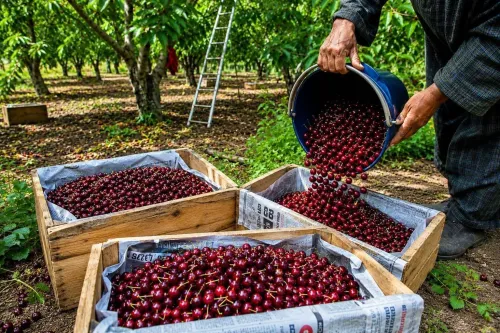
Union Commerce and Industry Minister Piyush Goyal on Sunday, 19 July 2026, announced the first consignment of premium Areco cherries and Centrose plums from Shopian and Pulwama districts of Jammu and Kashmir has been dispatched to Singapore, marking a milestone for Kashmir valley horticulture farmers seeking direct global market access.
Context
Posting on X with the phrase 'Yeh Dil Mange More' ('the heart wants more'), Goyal called the development 'nothing less than good news' for orchardists in Shopian and Pulwama. The shipment was facilitated in collaboration with APEDA — the Agricultural and Processed Food Products Export Development Authority, which operates under the Ministry of Commerce and Industry. Goyal said the initiative would provide farmers 'better prices, direct access to global markets, and new strength to India's agricultural exports.'
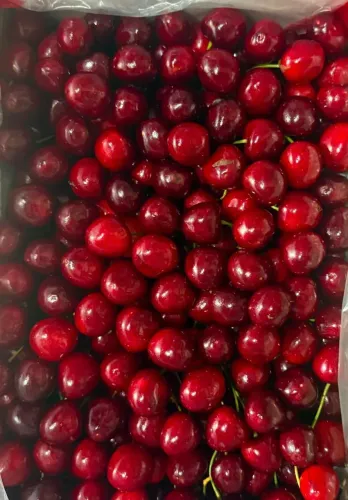
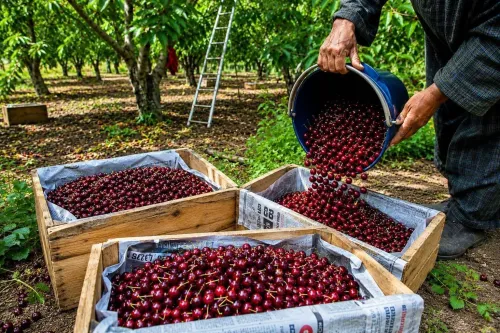
Shopian and Pulwama are among Jammu and Kashmir's most productive horticulture districts, known for temperate fruits including cherries and plums alongside the region's dominant apple crop. The two premium varieties named in the announcement — Areco cherry and Centrose plum — represent high-value, low-volume produce that commands stronger realisations in export markets than bulk commodities.
Policy Backdrop
The dispatch aligns with India's Agricultural Export Policy of 2018, which set out to diversify the country's export basket and raise farm incomes by opening new international corridors. APEDA has run targeted programmes since the mid-2010s to promote Geographical Indication-tagged and exotic fruit exports from Jammu and Kashmir, building cold-chain logistics and buyer relationships across Asia and the Middle East.
Singapore is a significant trading partner for India under the Comprehensive Economic Cooperation Agreement (CECA) signed in 2005, which provides a preferential framework for agricultural goods. The choice of Singapore as the first destination for this variety-specific consignment reflects the government's strategy of using established trade architecture to open premium market channels for Kashmir's growers.
The post-2019 reorganisation of Jammu and Kashmir has been accompanied by an explicit policy emphasis on integrating the region's economy into national and global value chains, with horticulture identified as the primary vehicle given the valley's climatic advantage for temperate fruit cultivation.
Stakeholders and Impact
The most direct beneficiaries are horticulture farmers in Shopian and Pulwama, who have historically relied on domestic wholesale mandis for price discovery, often receiving lower realisations than the quality of their produce warrants. Direct export linkages facilitated by APEDA are designed to shorten the supply chain and pass a larger share of the export premium back to the grower.
Agricultural exporters and cold-chain logistics operators in the Jammu and Kashmir supply chain also stand to benefit from the opening of a new, recurring export corridor. For Singapore, the consignment expands access to premium Indian horticultural varieties that cater to the city-state's quality-conscious retail and food-service sectors.
What's Next
The government and APEDA are expected to monitor buyer response in Singapore before deciding on scale-up and the addition of further destination markets. Observers will watch whether the India-Singapore CECA framework is leveraged more actively for agricultural goods and whether similar APEDA-facilitated consignments are extended to other premium varieties from the Kashmir valley in the coming harvest seasons.
If the pilot shipment generates strong commercial interest, it could serve as a template for structured, variety-specific export programmes from other horticulture-intensive districts in Jammu and Kashmir, deepening the integration of the region's farm economy with global supply chains.
Point of View
The announcement moves beyond generic export-promotion rhetoric toward a variety-and-market-specific model that is harder to replicate without sustained supply-chain investment. The timing, mid-harvest season in the Kashmir valley, suggests the government is keen to demonstrate economic dividends from post-2019 integration policies before the next election cycle in the union territory. Whether the pilot translates into a recurring, scaled programme will depend on cold-chain reliability, consistent quality grading, and buyer retention in Singapore — metrics that APEDA's follow-through will need to prove.
NationPress
19 Jul 2026
Frequently Asked Questions
Which fruits from Kashmir were exported to Singapore in July 2026?
The first consignment comprised premium Areco cherries and Centrose plums sourced from orchards in Shopian and Pulwama districts of Jammu and Kashmir.
What is APEDA and what role did it play in this export?
APEDA (Agricultural and Processed Food Products Export Development Authority) operates under the Ministry of Commerce and Industry and facilitated the shipment by connecting J&K growers with the Singapore market through its export-promotion programmes.
Why was Singapore chosen as the destination for Kashmir fruit exports?
Singapore is a key Southeast Asian trading partner for India under the Comprehensive Economic Cooperation Agreement (CECA) of 2005 , which provides a preferential trade framework, making it a natural first destination for premium horticultural exports.
How does this export benefit farmers in Shopian and Pulwama?
Direct export linkages are designed to shorten the supply chain, improve price discovery, and give farmers in Shopian and Pulwama a larger share of the premium that high-quality cherries and plums command in international markets.
What is India's Agricultural Export Policy and how does it relate to this shipment?
India's Agricultural Export Policy, notified in 2018 , aims to diversify the country's export basket and raise farm incomes through better market access. The Singapore consignment is a direct implementation of that policy, targeting high-value, low-volume produce from Jammu and Kashmir.