CM Mohan Yadav Pushes Factory Jobs for Women in MP
Synopsis
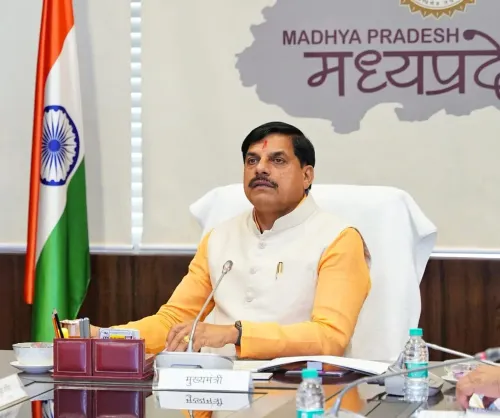
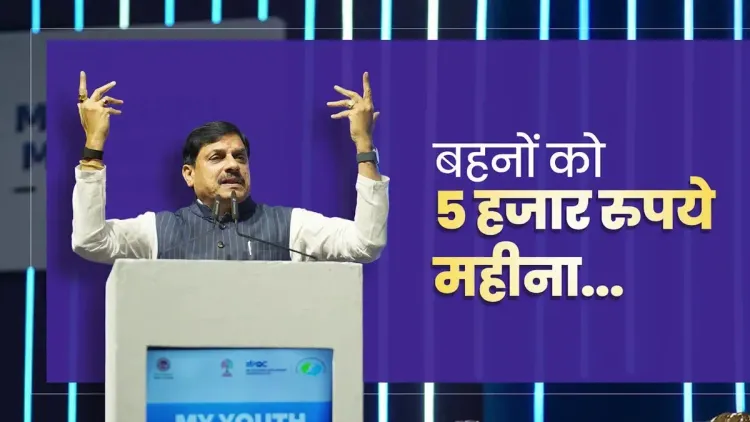
Madhya Pradesh Chief Minister Dr. Mohan Yadav on 11 July 2026 called for moving women beyond sewing classes into factory employment, framing industrial job access as a core pillar of the state's women's empowerment agenda under #MyYouthMyPride.
Key Takeaways
Mohan Yadav posted on 11 July 2026 that industry must offer women factory jobs, not just vocational sewing training.
The post was made under the hashtag #MyYouthMyPride , linking women's employment to the state's youth campaign.
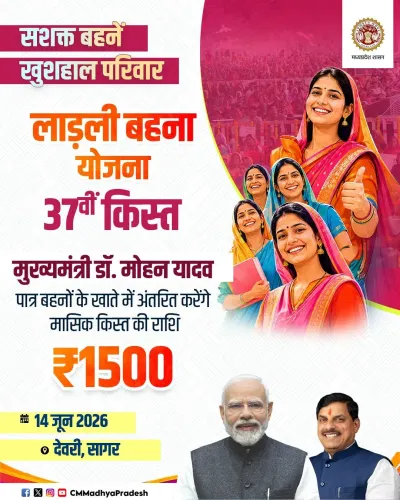
Madhya Pradesh launched Ladli Behna Yojana in 2023 for direct cash transfers to women, but formal employment integration remains a stated next step.
The national Skill India Mission (launched 2015 ) provides the federal skilling framework within which Madhya Pradesh operates its women's training programmes.
The statement signals a policy reorientation toward formal manufacturing employment for women, aligned with Make in India industrial goals.
Concrete targets are expected to emerge in the next Madhya Pradesh budget or industrial policy document.
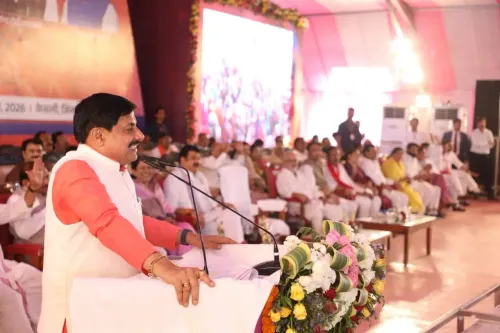
Madhya Pradesh Chief Minister Dr. Mohan Yadav on Saturday, 11 July 2026, called for expanding women's economic role beyond traditional skill training to include direct employment in manufacturing units, posting his view on X under the hashtag #MyYouthMyPride.
Context
In his post, Dr. Yadav stated — 'इंडस्ट्री का अर्थ केवल महिलाओं और बहनों को सिलाई सिखाना नहीं है, बल्कि उन्हें कारखाने में काम करने का अवसर देना भी है' — which translates as: 'Industry does not merely mean teaching women and sisters to stitch; it also means giving them the opportunity to work in factories.' The remark signals a deliberate shift in the state government's framing of women's economic participation, moving from home-based vocational training toward formal industrial employment.
The hashtag #MyYouthMyPride links the statement to a broader youth and employment campaign being promoted by the Madhya Pradesh government, underscoring that women are central to the state's industrial ambitions, not peripheral beneficiaries of welfare schemes alone.
Policy Backdrop
Madhya Pradesh launched the Ladli Behna Yojana in 2023, providing monthly direct financial transfers to eligible women across the state. While the scheme addressed immediate income support, critics and policymakers alike have noted that cash transfers alone do not bridge the gap between women's welfare and their formal labour-force participation.
At the national level, the Skill India Mission, launched in 2015, has sought to provide vocational training across trades including textiles, electronics, and manufacturing. Madhya Pradesh has been a participant state, but the emphasis has historically leaned toward home-based and cottage-industry skills for women rather than factory-floor roles. Dr. Yadav's statement challenges that default positioning.
India's Make in India initiative has pushed states to attract manufacturing investment, and raising female labour-force participation in formal industry is widely seen as essential to sustaining that growth. Madhya Pradesh has been working to position itself as a manufacturing destination, with industrial corridors and investment summits forming part of the state's economic strategy under successive BJP governments.
Stakeholders and Impact
Women workers in Madhya Pradesh, particularly those in semi-urban and rural areas with access to industrial clusters, stand to benefit most directly if the Chief Minister's stated intent translates into targeted policy. Manufacturing units operating in the state could gain a larger, more formally trained female workforce, addressing both labour shortages and diversity mandates increasingly tied to investment agreements.
The statement also carries significance for self-help groups and vocational training centres that have historically been the primary channel for women's skill development in the state. A reorientation toward factory employment would require coordination between the state's industrial policy, labour department, and existing skilling infrastructure.
What's Next
The next Madhya Pradesh state budget and any forthcoming industrial policy document will be closely watched for concrete targets on women's participation in manufacturing — whether through hiring incentives for factories, dedicated industrial training institutes for women, or amendments to existing skilling schemes. Dr. Yadav's public articulation of this shift sets an expectation that the policy framework will follow. For now, the statement marks a notable evolution in how the state government is choosing to communicate its vision for women's economic empowerment — from welfare recipient to factory worker.
Point of View
Positioning women as industrial workers is a rhetorical upgrade that courts both investor confidence and women voters simultaneously. The #MyYouthMyPride hashtag suggests this is part of a coordinated campaign, meaning the statement is unlikely to be a one-off remark and may precede a formal policy announcement. Whether the intent translates into measurable hiring targets or structural changes to skilling infrastructure will determine whether this is a genuine policy shift or aspirational messaging.
NationPress
11 Jul 2026
Frequently Asked Questions
What did MP CM Mohan Yadav say about women and industry?
On 11 July 2026, CM Dr. Mohan Yadav said that industry should not just mean teaching women to sew but must also provide them the opportunity to work in factories, posting this view on X under #MyYouthMyPride.
What is the #MyYouthMyPride campaign in Madhya Pradesh?
#MyYouthMyPride is a youth and employment campaign promoted by the Madhya Pradesh government under Chief Minister Dr. Mohan Yadav, emphasising skill development and economic opportunities for young people and women in the state.
What is Ladli Behna Yojana and how does it relate to women's employment?
Ladli Behna Yojana, launched by the Madhya Pradesh government in 2023, provides monthly direct financial assistance to eligible women. CM Yadav's latest statement suggests the state now wants to complement such welfare transfers with formal factory employment for women.
How does Skill India Mission apply to women in Madhya Pradesh?
The national Skill India Mission, launched in 2015, funds vocational training across states including Madhya Pradesh. Historically the focus for women has been home-based trades; CM Yadav's remarks indicate a push to redirect that training toward factory-floor roles.
What policy changes could follow CM Mohan Yadav's statement on women in factories?
Analysts will watch the next Madhya Pradesh state budget and industrial policy document for concrete measures such as hiring incentives for manufacturers, dedicated industrial training institutes for women, or revised targets under existing skilling schemes.